
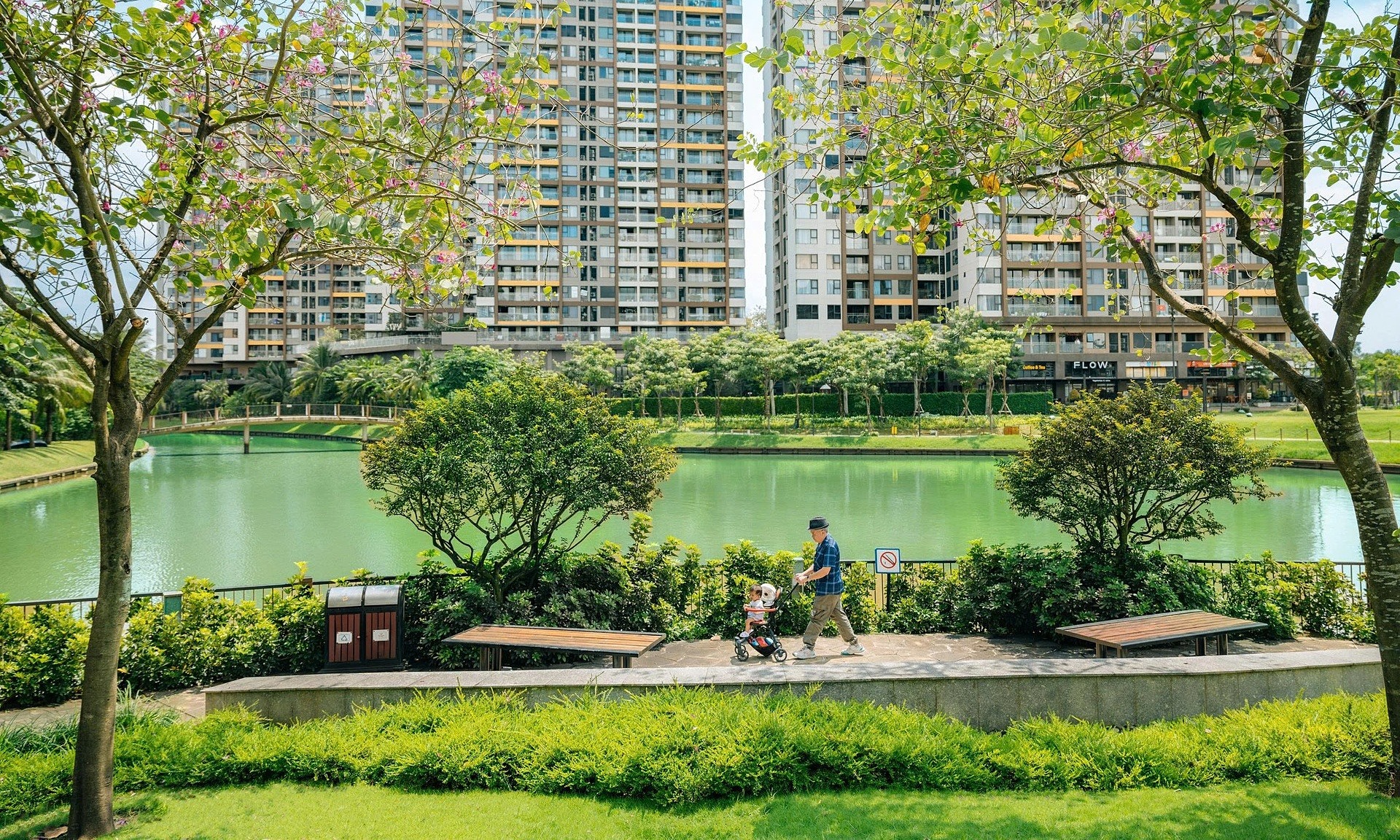
A Vision of Human-Centered Urban Living
From a small team of seven, Nam Long has evolved into a major player in the real estate sector, driven by a philosophy centered on human well-being, modern living, and community connection. This approach has provided homes for tens of thousands of families across multiple locations in Vietnam. The company now employs over 800 people and operates 11 urban and residential projects in Ho Chi Minh City, Can Tho, Tay Ninh, and Dong Nai. It is also expanding its presence to the north, offering housing solutions to more than 31,000 families.
According to Nguyen Xuan Quang, founder and chairman of Nam Long, the company’s vision has always been to create “human-centered” cities. For him, this means seeing the happiness of residents, the trust of international partners, and maintaining a steadfast development principle despite market fluctuations.
From Building Houses to Shaping Urban Environments
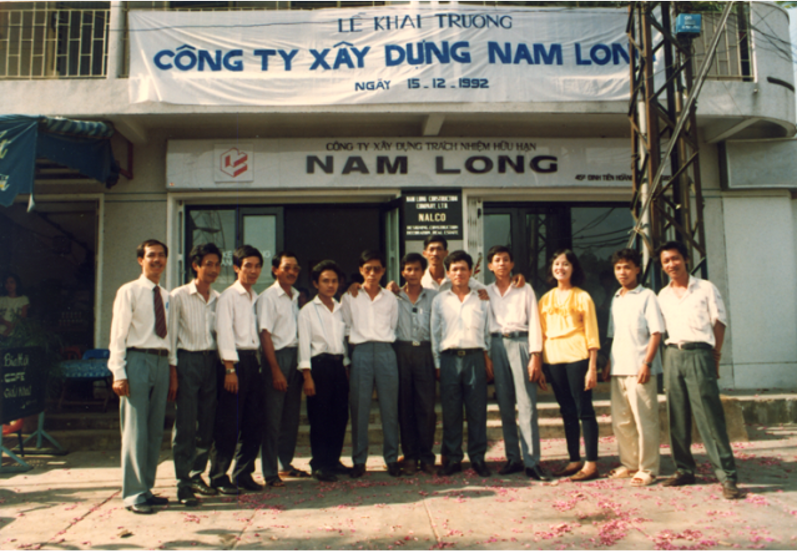
Nam Long Construction Co., Ltd. was established on November 16, 1992, in a modest 28-square-meter office. Quang, an architect who previously worked at HCMC’s Planning Institute, wanted to create a “professional playground” for architects in a still-developing market. By 1995, the company transitioned from being a subcontractor to becoming one of the first five private real estate companies in Vietnam.
In its early years, Nam Long focused on developing housing based on master planning and genuine demand rather than following market trends. In 1996, it launched the “Nam Long Homes” program, marking its first step in land banking and housing development strategy.
By 2002, the company broke ground on the 28-hectare Nam Long Tan Thuan Dong urban area in former District 7, Ho Chi Minh City, signaling its shift toward becoming an urban developer. In 2005, it rebranded as Nam Long Investment Corporation, strengthening partnerships with international financial institutions and experienced developers.
Expanding Global Partnerships
In 2008, Nam Long welcomed two strategic shareholders: Nam Viet Company under Goldman Sachs and ASPL Fund from Malaysia’s Ireka Group. Over the years, it partnered with major financial players, including Mekong Capital’s VAF Fund and IFC under the World Bank.
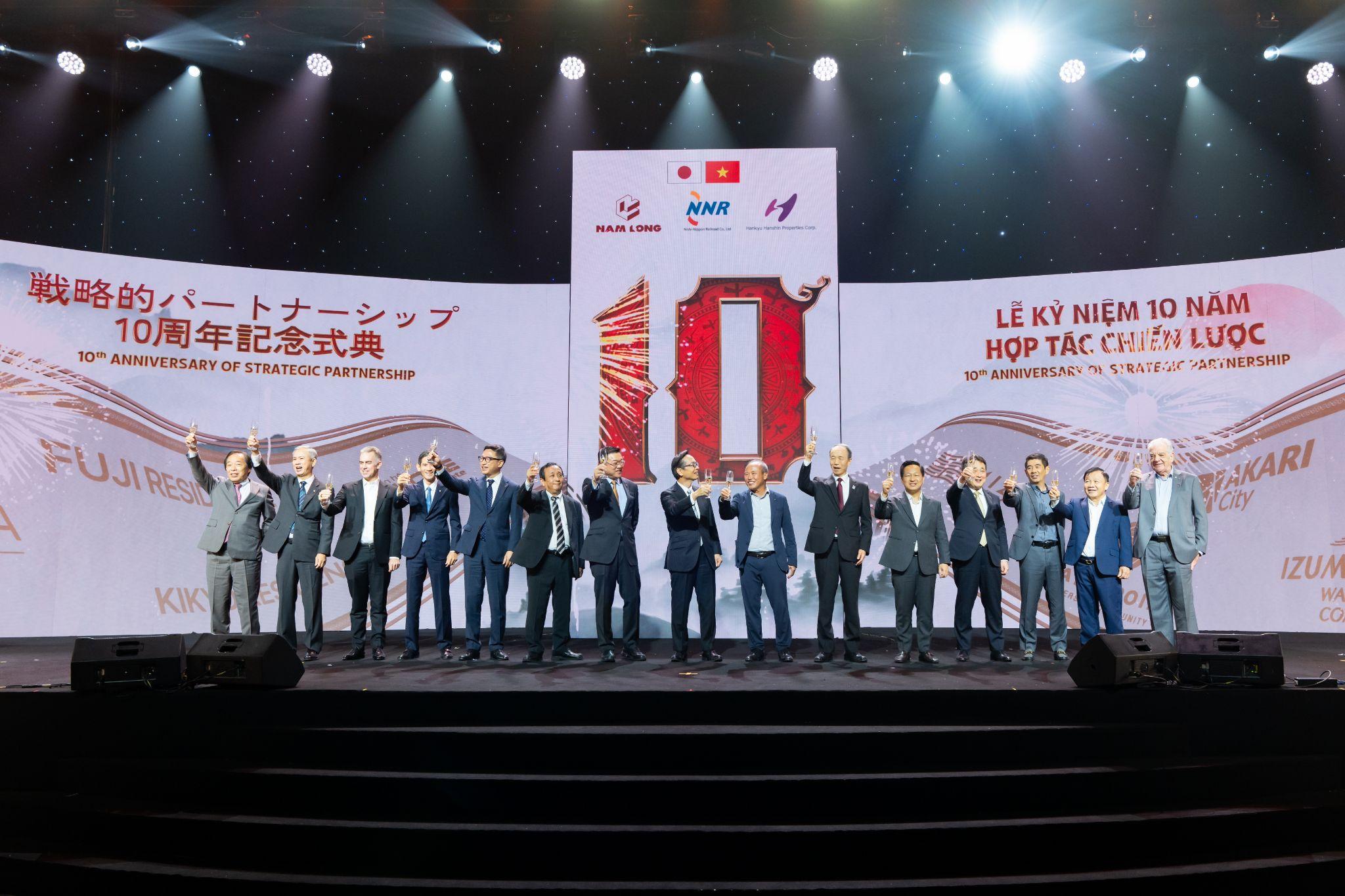
In 2015, the company expanded its footprint by forming a joint venture with two major Japanese developers—Hankyu Realty (now Hankyu Hanshin Properties) and Nishi-Nippon Railroad. This partnership led to the Flora Anh Dao project in District 9, HCMC, marking the beginning of numerous Vietnam–Japan urban projects that integrate Japanese expertise with localized designs tailored to Vietnamese lifestyles.

Developing Integrated Townships for Real Housing Needs
With a network of international partners, Nam Long has developed several Vietnam–Japan projects, including Fuji Residence, Kikyo Residence, Mizuki Park, Akari City (HCMC), Waterpoint (Tay Ninh), and the latest, Izumi City (Dong Nai).
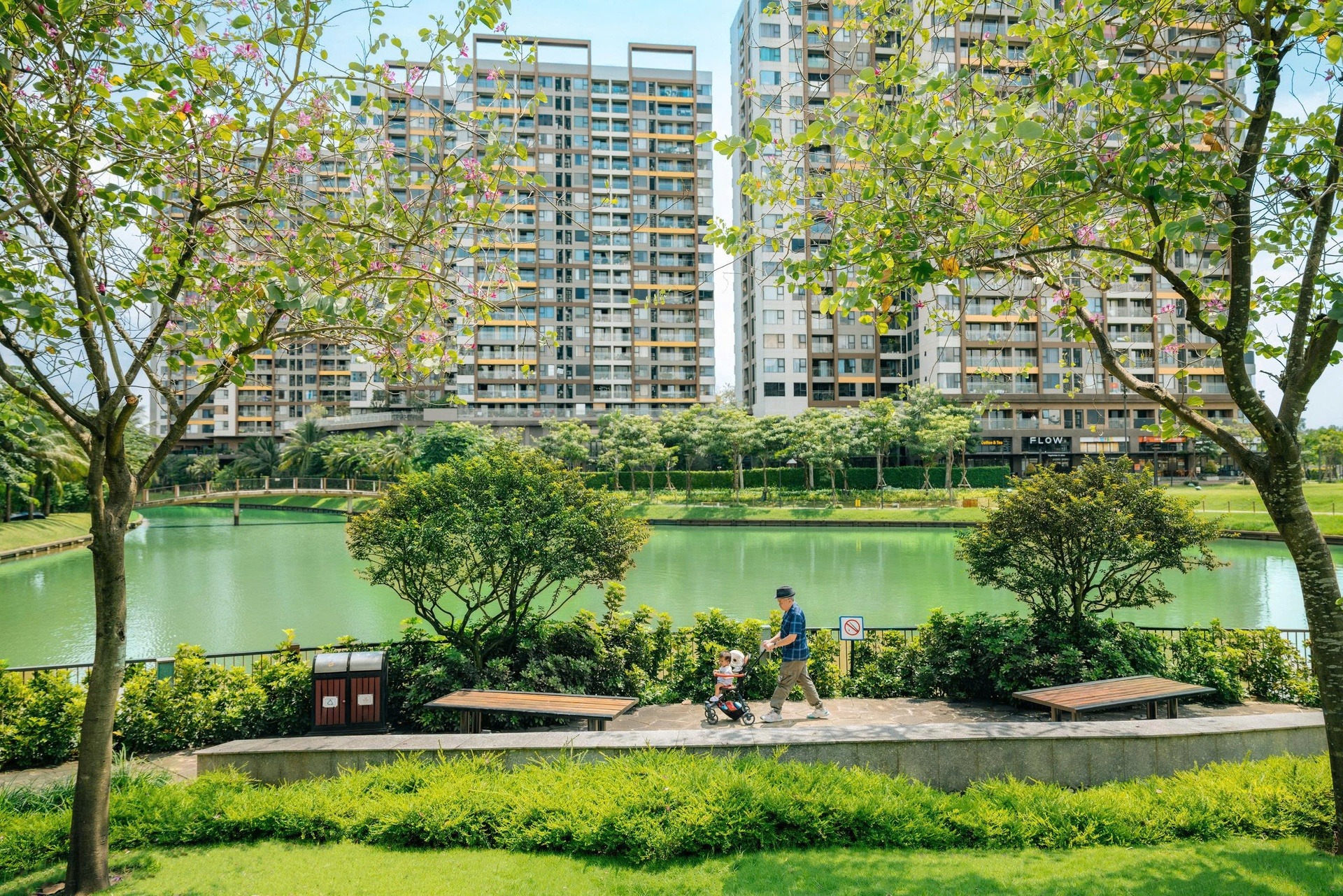
Mizuki Park, spanning 26 hectares in Binh Chanh District, Ho Chi Minh City, is one of the city’s first integrated urban areas, recognized among the “Top 10 most livable urban areas in Vietnam.” Over 70% of the project is dedicated to green spaces and amenities. The name “Mizu” means water, and “ki” means tree, reflecting the township’s natural surroundings.

Waterpoint: A Green and Modern Urban Environment
To the west of HCMC, the 355-hectare Waterpoint township is home to more than 30,000 residents. First conceptualized in 2003, it features a 5.8-kilometer riverside and an eight-kilometer canal system that regulates the microclimate. The township dedicates 95 hectares to green areas, parks, and open spaces, along with jogging and cycling routes inspired by international urban designs.
Waterpoint also reserves land for education, commercial centers, cultural facilities, and clubhouses. Recently, the Solaria Rise high-rise apartment complex broke ground, rounding out the township’s offerings for young homebuyers.

Izumi City and Beyond
Izumi City, a 170-hectare project to the east of HCMC, offers more than 5.5 kilometers of river frontage along the Dong Nai River, an internal water surface of 6.1 hectares, and 20.1 hectares of greenery. The project is designed to balance nature with modern urban living, comprising nine zones with more than 10,000 products developed in phases.
In Can Tho, Nam Long continues to expand with Nam Long II Central Lake, spanning nearly 44 hectares and featuring planning inspired by the region’s riverside identity.
Recognition and Future Goals
Nam Long’s social housing model has been widely recognized for its effectiveness. The Ministry of Construction named the company among the top 18 reputable social housing developers nationwide. Its chairman, Quang, was honored by Property Report magazine as “Real Estate Personality of the Year 2025” for his contributions to affordable housing.
The company ranks second among Vietnam’s Top 10 Reputable Real Estate Developers in 2025 and fourth among the most valuable real estate brands of 2025.
Reflecting on the past, the company says its 33-year journey has been full of challenges, yet it has remained committed to its “human-centered urban living” philosophy and to developing genuine products.
“We must ensure that in our projects, no one feels alone. People should feel at home, feel healthy and happy, and step outside with a smile,” Quang said.


