
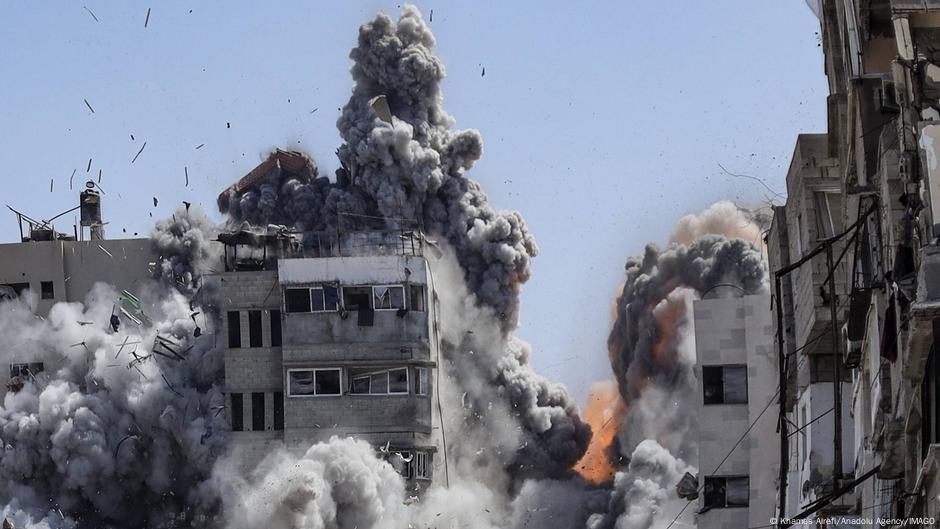
The Military Leadership of Hamas Has Been Severely Weakened
The military leadership of Hamas has been significantly weakened, with many key figures eliminated. However, the exact number of fighters still active within the group remains unclear. Despite this, Hamas continues to conduct guerrilla attacks, demonstrating its resilience.
Two years into Israel’s military campaign against the Gaza-based militant group, analysts suggest that while Hamas has suffered major setbacks, it is not yet defeated. This is despite the Israeli military’s overwhelming firepower and leaders’ insistence on achieving “total victory.”
Marina Miron, a researcher at King’s College in London, stated that although Hamas has faced numerous military challenges, it still possesses the ability to regroup and maintain command and control.
Before the current conflict began, which was preceded by the October 7, 2023, Hamas-led attacks in Israel that resulted in nearly 1,200 deaths, the group was estimated to have between 25,000 and 30,000 fighters. Over the past two years, various Israeli security sources claim they have killed between 17,000 and 23,000 of these fighters.
However, the Israeli military has not provided solid evidence for these numbers, and many observers believe the actual figure may be much lower.
A year into the conflict, detailed reports from the Israeli Defense Forces (IDF) indicated approximately 8,500 fatalities, according to the Armed Conflict Location and Event Data (ACLED). These reports included militants from other armed groups and possibly non-combatant members of Hamas.
A classified Israeli database cited by British and Israeli media suggested that as of May 2025, only 8,900 named fighters from Hamas or its ally, Islamic Jihad, were confirmed dead or likely dead. This implies that over 80% of the more than 66,000 people killed in Gaza are civilians.
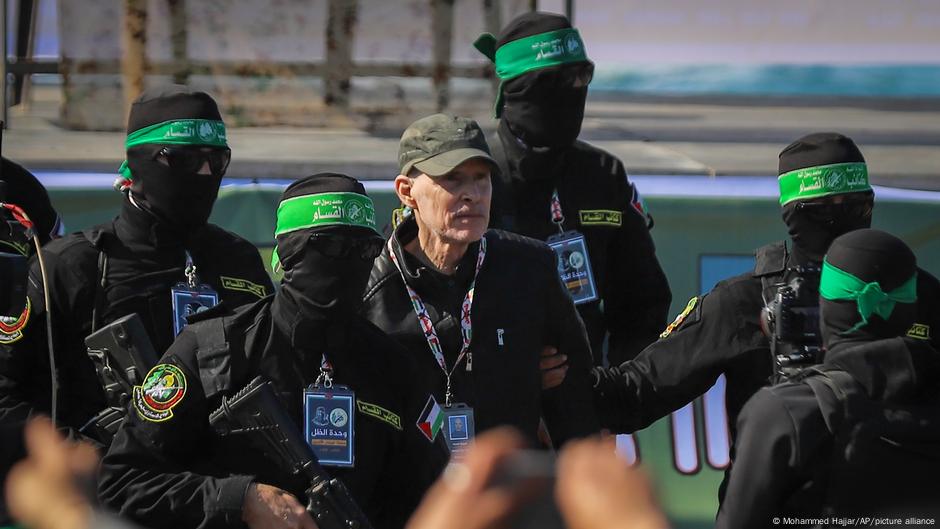
Thousands of New Recruits
ACLED suggested that Hamas may have recruited additional fighters over the past two years. Earlier this year, U.S. intelligence officials told Reuters that they believed Hamas could have recruited 10,000 to 15,000 new fighters.
Leila Seurat, a researcher at the Arab Center for Research and Policy Studies in Paris, noted that there are indications, including on social media, that growing numbers of young Palestinians with no prior training have joined the Qassam Brigades and carried out guerrilla actions.
Both sides have an interest in exaggerating the strength of the militant group. For Hamas, this serves as a way to project power during ceasefire negotiations. For Israel, portraying Hamas as a serious adversary could serve as a pretext for destroying the enclave and expelling its residents.
Although the number of Hamas fighters may be debated, one thing is clear: Israel has killed most of the group’s senior leadership, leaving only one senior commander from its pre-October 7 military council.
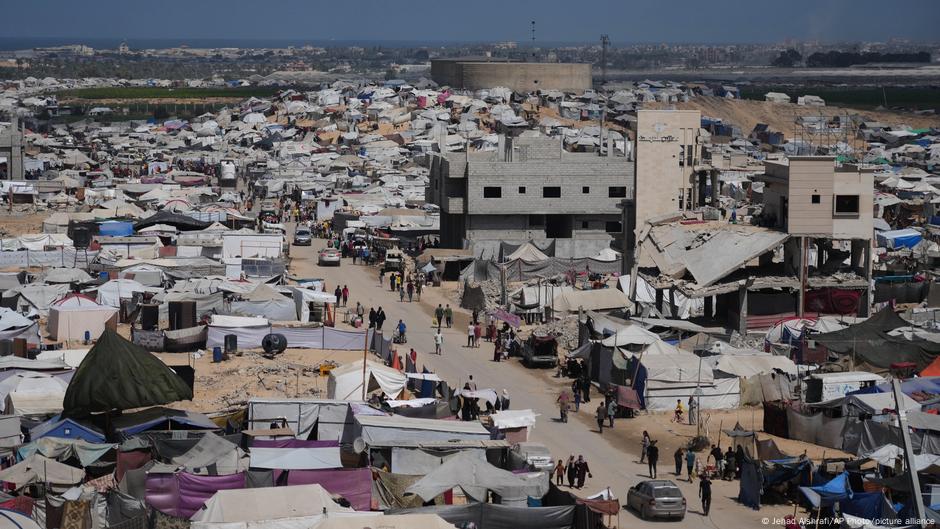
Guerrilla Tactics and Changing Strategies
Over the past two years, Hamas has adapted its tactics. It now operates more as a decentralized group, relying heavily on guerrilla warfare, hit-and-run tactics, and ambushes using explosives, rather than direct confrontation with Israeli soldiers.
The number of cross-border rocket attacks on Israel by Hamas has dropped significantly. According to Israeli officials, much of the group’s arsenal, especially heavier weapons such as rockets, has been destroyed.
However, Hamas still managed to launch two rockets in September 2025 and organize more complex attacks on Israeli soldiers. One such attack in August 2025 in Khan Younis involved the use of heavy weapons and an attempt to kidnap Israeli soldiers.
In areas the Israeli army claims it has “cleared,” small Hamas groups often reappear, suggesting that parts of the group’s tunnel network, which enables surprise attacks and the hiding of Israeli hostages, may still exist.
Beyond Gaza, there is also evidence that Hamas has increased its activities in the occupied West Bank after almost 15 years of relative quiet there, even though other militant Palestinian groups remain at the forefront of violence in the region.
Control Over Gaza’s Civilian Governance
A significant debate centers on how much control Hamas still has over Gaza. While the group has a military wing fighting the Israeli army, it previously managed the civilian government of Gaza, including hospitals, police forces, and garbage collection.
Some observers suggest that the group’s civilian branch has adapted, including a new, plainclothes police force and an unofficial system of cash payments for civil servants.
However, this may be changing. Civil servants were paid with cash that Hamas had stockpiled for emergencies, but this money may be running out. The Israeli military has also increasingly targeted individuals and facilities linked to Hamas’ governance, municipalities, and police forces to weaken the group’s civil control over Gaza.
In late September, an aid agency official told The Guardian that they had not heard from Hamas since March and were instead dealing with other community groups.
Palestinians report that since the war resumed, Hamas officials have been increasingly absent from public duties, including policing, partly due to the chaos under fire but also in fear of Israel’s targeting of governance structures.
Hamas Prioritized Survival
A former officer with Gaza’s internal security forces told the BBC recently that Hamas had lost control of almost all of Gaza. Criminal gangs and clans were filling the security void, he said, noting that society had completely collapsed in Gaza.
Hamas is also facing increased domestic rivalry, with recent reports suggesting that Israel has deliberately ramped up support to anti-Hamas groups in Gaza. One prominent organization, the Popular Forces, has been associated with drug smuggling and the looting of aid.
Many observers agree that it won’t be possible to eliminate Hamas entirely, and weakening the group may be the closest thing to “total victory” that Israel can achieve.
ACLED reported in September that Hamas has prioritized survival over direct confrontation, which aligns with the group’s view that survival itself is a form of victory.
“Hamas is an ideology,” Hans-Jakob Schindler, an expert at the International Centre for Counter-Terrorism, said. “You cannot destroy an ideology. You can [only] degrade its military and terrorist capabilities.”
Related posts:

Mother Suffers Daily Allergic Attacks After Drinking Contaminated Coffee Syrup


Challenges of Climate Change in Africa and Lessons from China’s Green Revolution

Senate joint committee finally holds hearing on Ivanhoe deal

True measure of leadership lies not in power, privilege, pageantry – Tinubu at book presentation

