
The Rise of a Socialist Mayor in Seattle
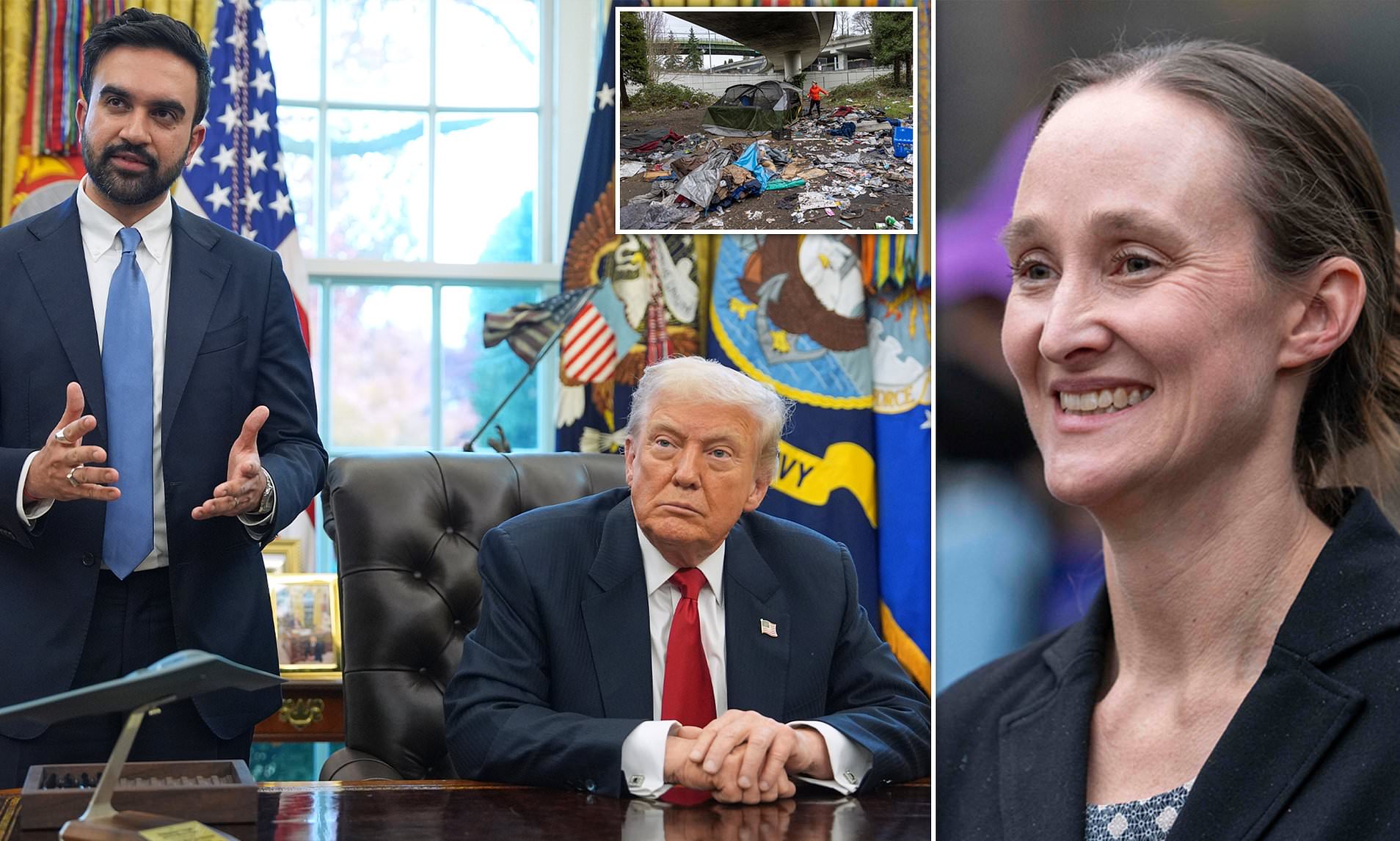
Katie Wilson, the newly elected socialist mayor of Seattle, has set her sights on transforming the city with a bold agenda. Known for her progressive policies and commitment to social justice, Wilson is determined to ‘Trump-proof’ Seattle, ensuring that the city remains resilient against potential federal threats.
Wilson’s victory came after a close race, securing 50.2% of the votes and narrowly defeating incumbent Mayor Bruce Harrell by just 2,004 votes. Her win marks a significant shift in the political landscape of Washington’s largest city, echoing similar trends seen in New York City with the election of Zohran Mamdani.
A Progressive Agenda
Wilson has promised to focus on several key areas: increasing affordable housing, enhancing public safety, and addressing the city’s homeless population. She aims to implement new taxes on the wealthy and establish publicly-backed grocery stores, drawing comparisons to Mamdani’s policies.
Her vision includes a comprehensive approach to social issues, emphasizing the need to protect vulnerable communities, including the LGBT+ population, immigrants, and refugees. She also pledged to maintain critical federal programs such as SNAP benefits and Medicaid, which are at risk under current administrations.



Trump’s Response and Potential Impact
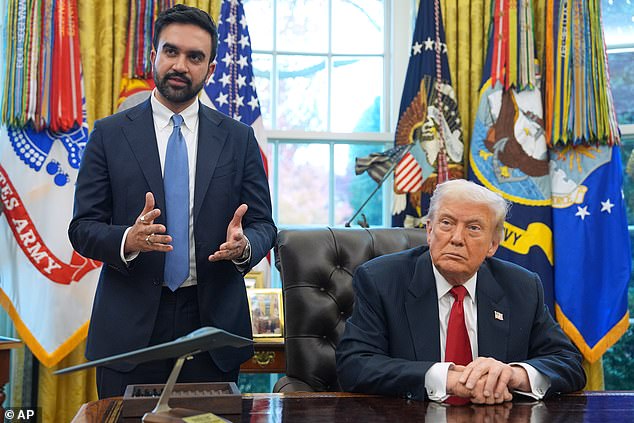
President Donald Trump has not hesitated to voice his criticism of Wilson, labeling her a ‘very liberal-slash-communist mayor.’ He even threatened to move the 2026 FIFA World Cup from Seattle if he perceives any issues. However, Wilson has expressed openness to meeting with Trump, stating that she would engage with anyone, including the president, to defend her city’s interests.
Despite Trump’s comments, there has been no official invitation from the president to Wilson. The Daily Mail has reached out for further comment, but no response has been received yet.

Addressing the Housing Crisis
Affordable housing remains a pressing issue in Seattle, where the average monthly rent for a one-bedroom apartment is $1,795, and a two-bedroom is $2,640. The average home price is nearly $841,000, significantly higher than the national average.
Wilson acknowledges the challenges faced by residents today, noting that it is nearly impossible for young couples to afford living in the city without financial support. She has vowed to build publicly-owned, permanent affordable housing and pursue a $1 billion bond to create thousands of units quickly.


Homelessness and Public Safety
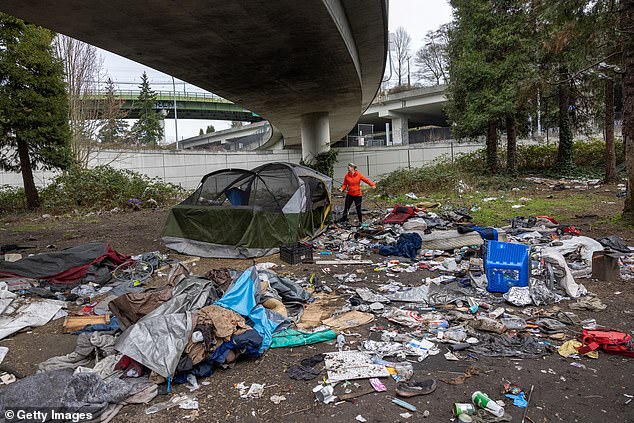
Seattle faces a severe homelessness crisis, with between 16,000 and 22,000 people living on the streets. Wilson plans to open 4,000 new units of emergency housing within four years and invest in opioid treatment programs and mobile services to address the root causes of homelessness.
Critics argue that her proposals could exacerbate the housing shortage, with each unit costing the city approximately $20,000 annually. The financial burden could be substantial, especially with the expiration of federal funding next year.
Crime and Safety Initiatives
Crime rates in Seattle are notably higher than the national average, with a total crime rate per 100,000 people of 5,782.7. Despite this, crime rates have shown a decline this year.
Wilson aims to enhance public safety through various initiatives, including expanding alternative crisis response programs and improving lighting to protect pedestrians. She also plans to limit bulk purchases of firearms to reduce gun violence.

Criticisms and Challenges
Incumbent Mayor Harrell has criticized Wilson’s policies, calling them short-sighted and potentially harmful to affordable housing efforts. He argues that her plan could undermine existing programs designed to increase affordability.
Wilson has also faced scrutiny regarding her personal financial situation, with reports suggesting that her parents provided financial support. However, she maintains that her priorities are focused on the needs of the city and its residents.
Conclusion
As Seattle prepares for the transition of power, the city’s future remains uncertain. Wilson’s progressive agenda promises significant changes, but it also faces considerable challenges and criticisms. Whether her policies will lead to positive transformation or face backlash remains to be seen.


