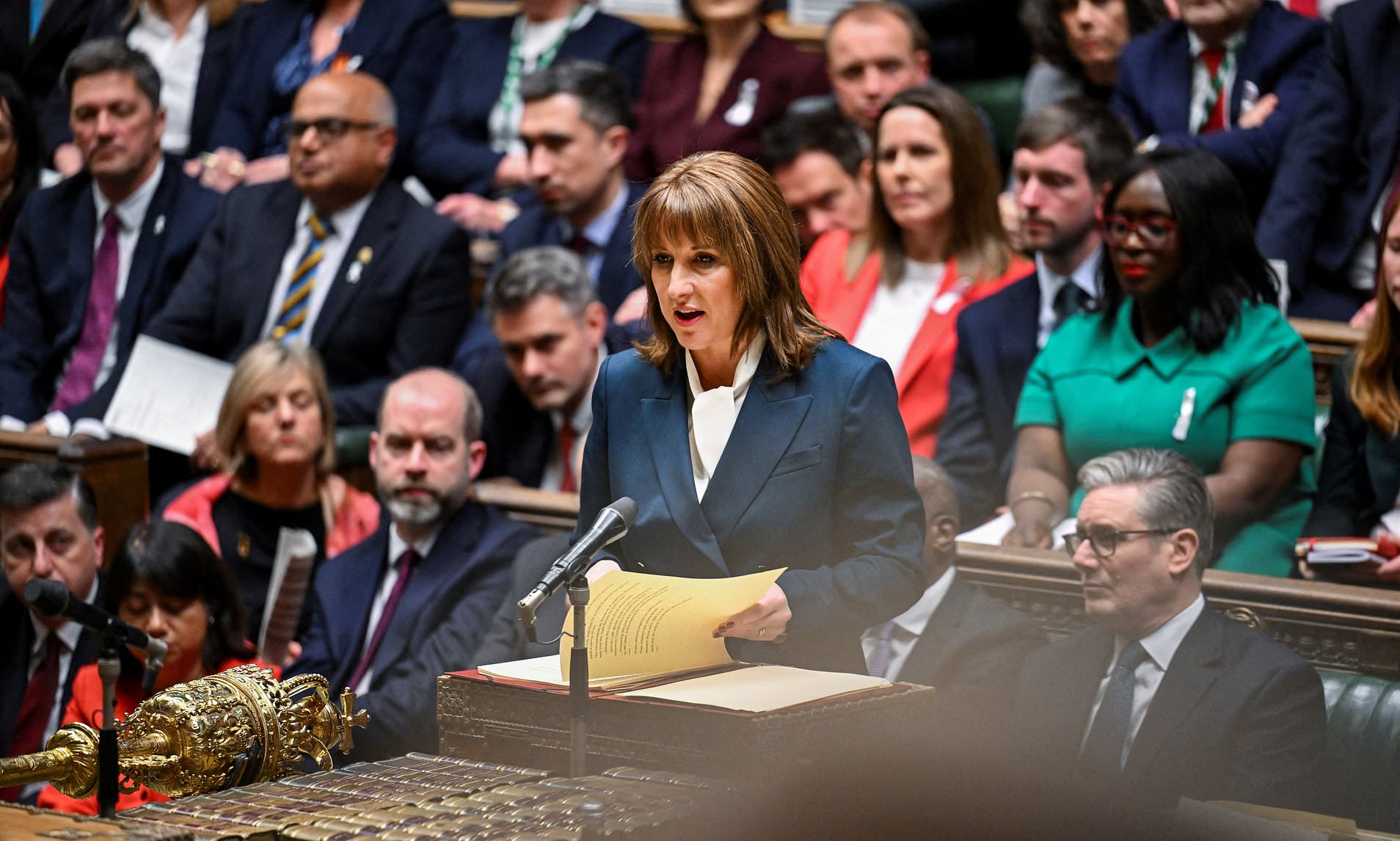
The Political Fallout from the Fiscal Fiasco
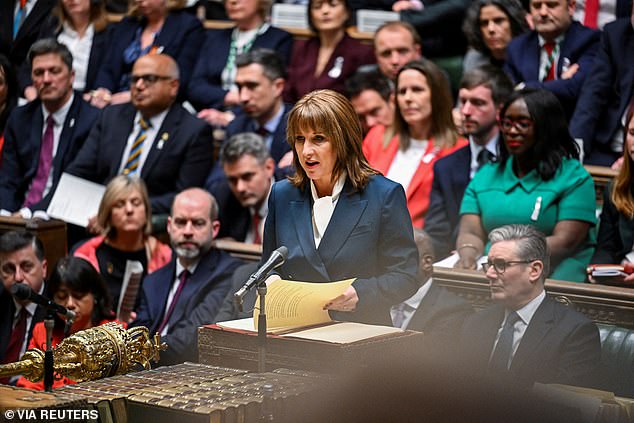
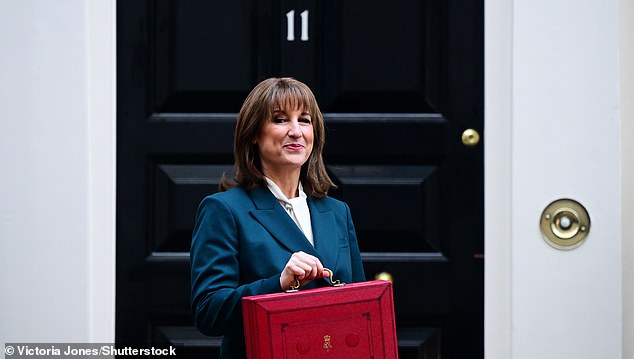
Rachel Reeves, the Chancellor of the Exchequer, is facing mounting pressure to resign after allegations that she misled the public about the state of the nation’s finances. A recent poll conducted by the Mail on Sunday revealed that 68% of voters believe she should step down, while only 32% think she should remain in her role. This comes after the Office for Budget Responsibility (OBR) disclosed that it had previously informed the Treasury that there was no fiscal “black hole” as claimed by Reeves, but rather a £4.2 billion surplus.
The controversy began when the OBR revealed that it had warned the Treasury weeks earlier that the economic outlook was more positive than the Chancellor had suggested. Despite this, Reeves proceeded with a tax-raising Budget, which included a £30 billion package of tax increases and benefit hikes. The move has sparked outrage among voters, business leaders, and even some within her own party.
Growing Calls for Resignation
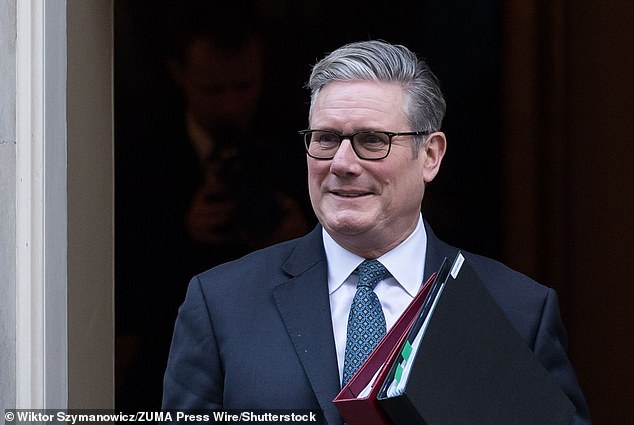
The political storm surrounding Reeves has not only affected her position but also drawn criticism of Prime Minister Sir Keir Starmer. Downing Street has indicated that Starmer was aware of the true financial situation when Reeves warned of “hard choices.” However, a No 10 source stated that the Prime Minister and Chancellor worked together on the Budget, which they described as making “fair and necessary choices.”
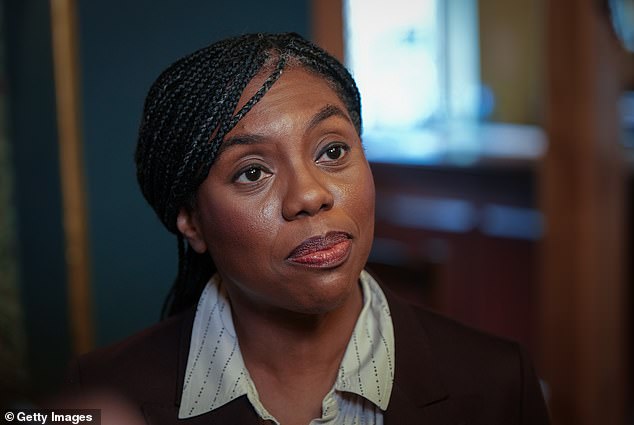
Shadow Chancellor Mel Stride has called for an investigation into potential market abuse, citing concerns that confidential information may have been leaked. Meanwhile, Reeves has denied misleading the public, arguing that the tax hike was still “fair and necessary” because the wealthy should share more of the economic “burden.”
Tensions Within Labour
Within the Labour Party, the situation is becoming increasingly tense. Some MPs have admitted that the Chancellor’s days may be numbered. A senior Cabinet minister acknowledged that the situation is “serious” and that Labour MPs had “bought into this” by supporting the narrative of a fiscal black hole.
Ex-minister Graham Stringer commented that under similar circumstances, no Chancellor would expect to remain in office. He emphasized that Reeves must answer questions in the Commons, stating, “If there is an urgent question on this, the Chancellor herself must come to the House – not take the coward’s way out and send one of her underlings instead.”
Another Labour MP criticized the leadership for marching colleagues up a hill to defend the possibility of breaking the manifesto promise on income tax. The MP accused Reeves of lying about the fiscal black hole, noting that the OBR had confirmed it did not exist.
Potential Consequences
The fallout has led to fears that the Labour Government could collapse before the end of its five-year term in 2029. A Find Out Now survey found that 65% of voters believe the government will fall before then. On the Daily Mail website, 97% of 87,541 visitors who voted demanded Reeves’ resignation.
Senior economists and trade union leaders have also joined the chorus of criticism. Andrew Sentance, a former interest rate-setter at the Bank of England, and Sharon Graham, leader of the Unite trade union, have both condemned Reeves’ decisions.
The Role of the OBR
The OBR has become a focal point of the controversy. It was revealed that the watchdog had written to the Treasury on September 17, estimating the black hole at £2.5 billion, rather than the £30 billion claimed. Then, on October 31, the OBR told the Chancellor that there was actually a surplus and that the government was on track to meet its fiscal targets.
Despite this, Reeves proceeded with a press conference where she hinted at breaching Labour’s manifesto promises. The subsequent Budget included tax rises that were heavily criticized as unnecessary.
The Future of the Government
There are growing concerns that the current crisis could lead to the resignation of both Reeves and Starmer. One Labour MP suggested that if Reeves goes, Starmer would likely follow. The Chancellor is expected to face an emergency statement in the Commons on Monday, as ministers admit the situation is “serious.”
Meanwhile, there are reports that the Treasury has already drawn up plans to punish the OBR for revealing its forecasts. A Treasury minister was overheard suggesting “big plans next year,” though the Treasury later denied the claim.
Conclusion
As the political and economic pressures mount, Rachel Reeves faces a critical moment in her career. The allegations of misleading the public, coupled with the internal dissent within Labour, suggest that her position is highly precarious. Whether she can weather the storm or will be forced to resign remains to be seen, but the implications for the Labour Government are significant.