
Escalation of Tensions in the Middle East
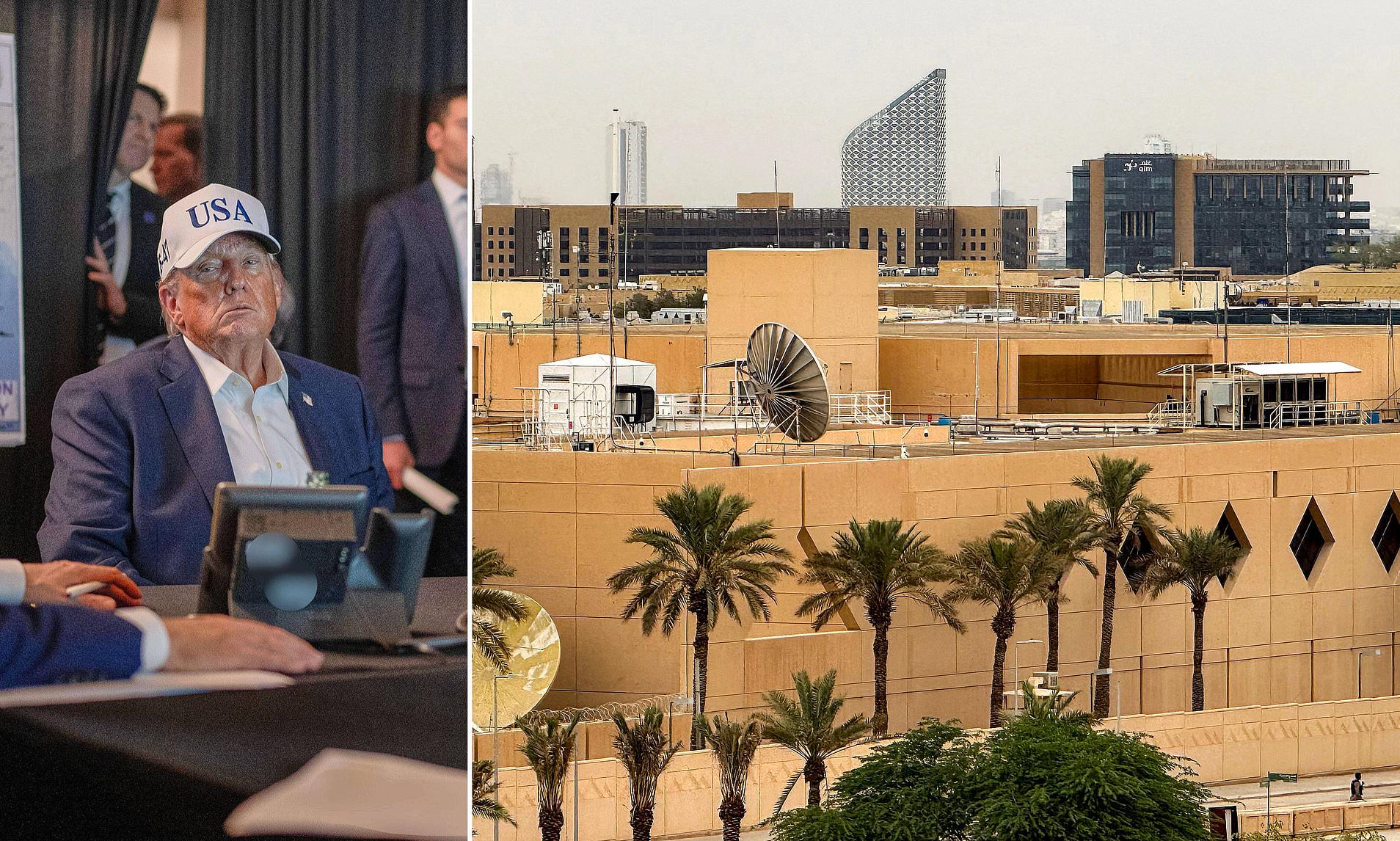
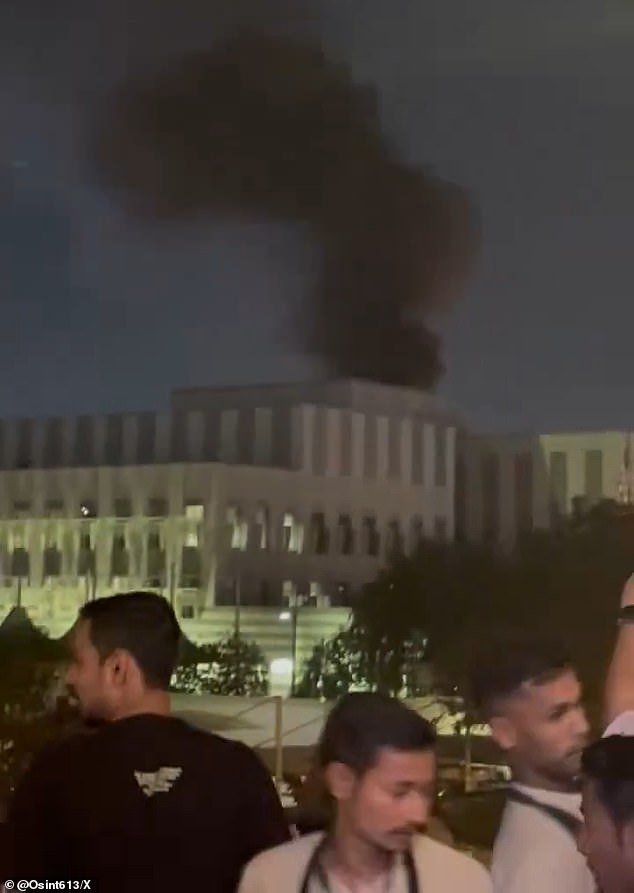
Iran has carried out a significant attack on a CIA station located at the US Embassy in Saudi Arabia. This incident occurred as the agency is reportedly working to arm militants for an uprising against the Islamic regime. A suspected Iranian drone struck the CIA station in Riyadh, the capital of Saudi Arabia, on Monday. This attack took place just two days after the spy agency identified and targeted Ayatollah Ali Khamenei’s location, which resulted in his death.
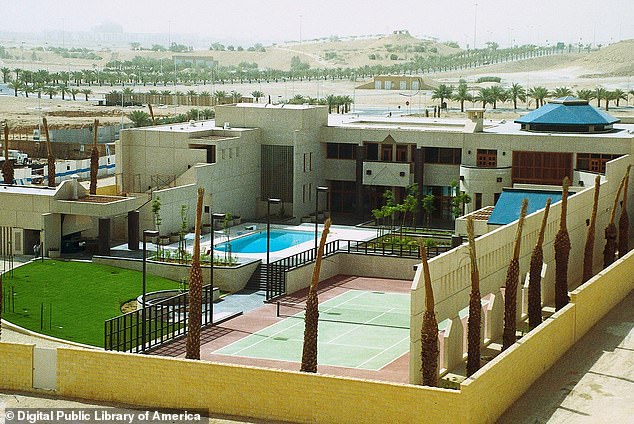
An internal State Department alert revealed that Tehran’s attack caused structural damage to the station, collapsed part of its roof, and contaminated the compound with smoke. Personnel were advised to “shelter in place.” The US and Saudi governments confirmed that two drones hit the US embassy complex but did not disclose that the CIA station was impacted, according to the Washington Post. There was no indication that CIA personnel were wounded.
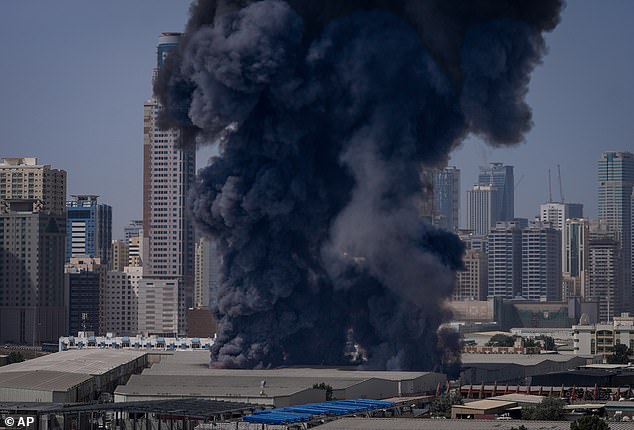
The attack came as Iran continued to retaliate against Israel, the US, and its allies in the Middle East for strikes that led to Khamenei’s death. On Tuesday, the US Consulate in Dubai was hit by a drone strike, causing a massive explosion that lit up the sky. 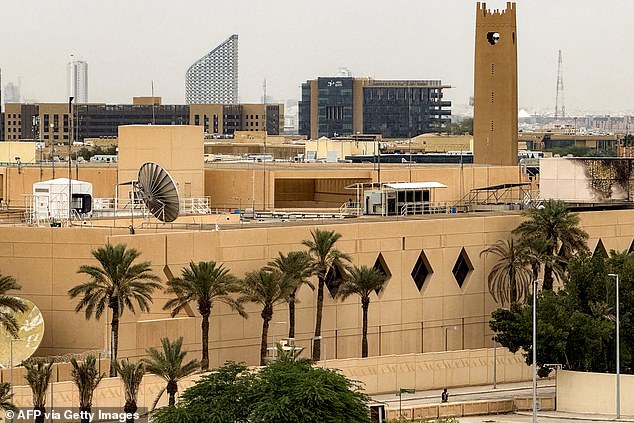


A primitive Shahed drone managed to evade high-tech defenses over the United Arab Emirates and struck a car park adjacent to the consulate, which had been evacuated in advance. Two Iranian ballistic missiles also hit Al-Udeid Air Base, the largest US military installation in the Middle East. No casualties were reported.
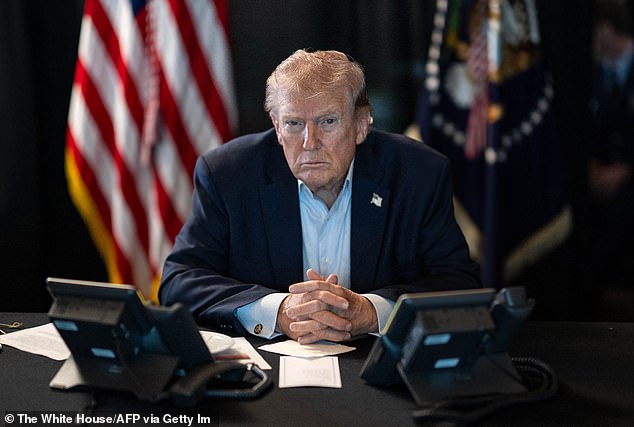
The effectiveness of Iran’s response to the US-Israel bombardment, which began with the assassination of Ayatollah Ali Khamenei, has caught the White House off guard. Former President Donald Trump admitted in interviews that the US was not expecting Tehran to target its Gulf neighbors, who are not participating in the campaign but house US bases.
Historical Context and Current Threats
The CIA has long been viewed by the Islamic regime as its arch-enemy, partly due to its history of covert efforts aimed at undermining its leadership. The American spy agency and the UK’s MI6 orchestrated the 1953 Iranian coup d’état, which led to the overthrow of Iran’s democratically elected leader. 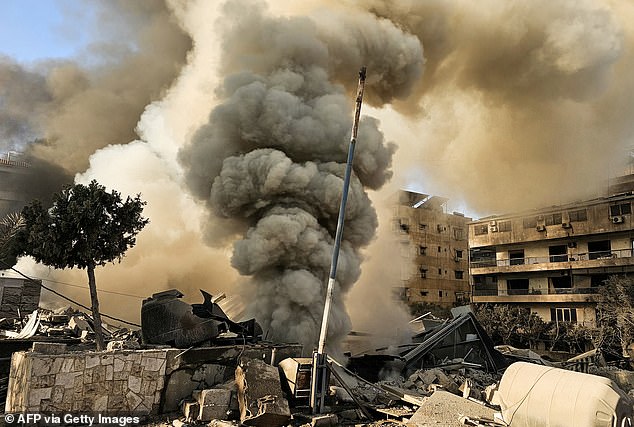
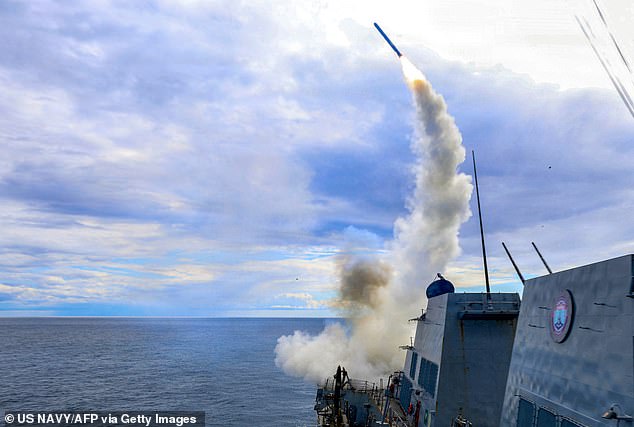


Tehran’s attack also comes as the spy agency works to arm Kurdish militants inside the country in an effort to foment an uprising following the ayatollah’s death. The Daily Mail has contacted the CIA for comment. Top White House officials have been in active discussions with Kurdish leaders in Iraq about providing them with military support to strike the regime.
Iranian Kurdish militants have thousands of soldiers along the Iraq-Iran border, with major support in Northern Iraq’s Kurdistan region. 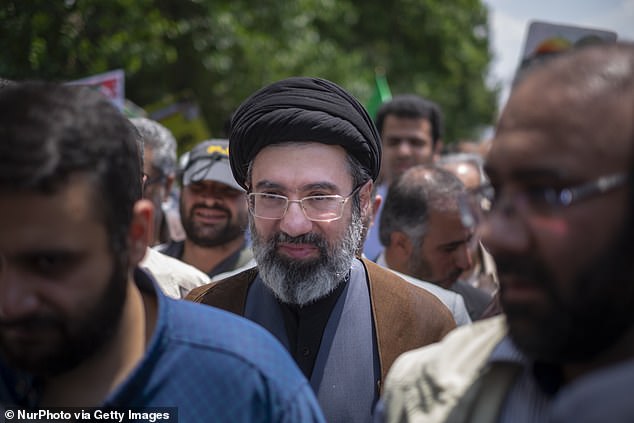

Leadership Transition and Regional Implications
Mojtaba Khamenei, the son of Ayatollah Ali Khamenei, was reportedly appointed Iran’s new Supreme Leader on Tuesday evening. Mojtaba, 56, Ali Khamenei’s second oldest son, has strong links to the Iranian Revolutionary Guard Corps (IRGC) and was chosen by Iran’s Assembly of Experts ‘under pressure from the Revolutionary Guards,’ according to Iranian opposition outlet Iran International.
Mojtaba is not a high-ranking cleric, has never held office, and does not have an official role in the regime. But he served in the Iranian armed forces during the Iran-Iraq war and is believed to wield considerable influence behind the scenes. He has been touted as a possible successor to his father for years. However, he was not included in a list of three senior clerics Ali Khamenei reportedly identified last year. 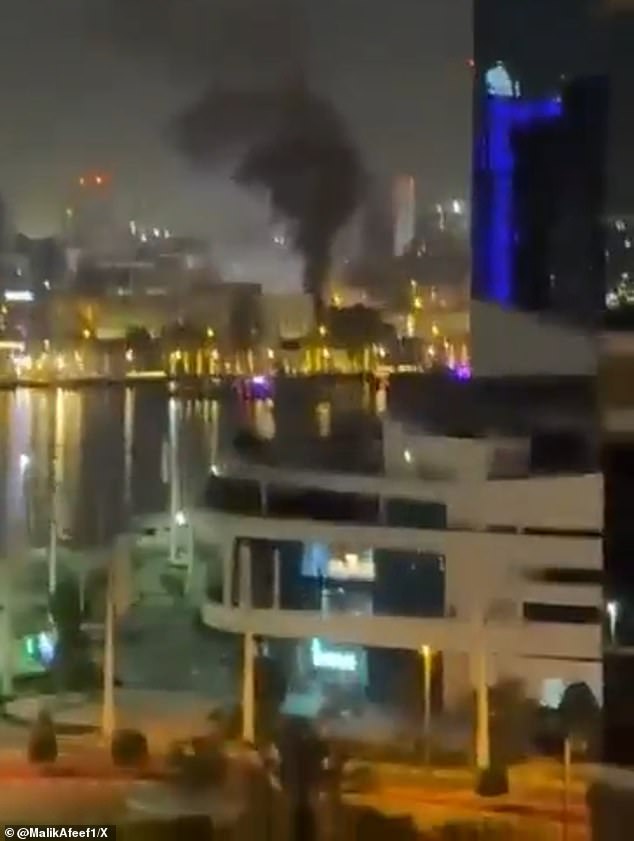


And his father is said to have indicated opposition to his candidacy because it would resemble the hereditary rule enacted by the US-backed Shah monarchy before it was overthrown in the Iranian Revolution in 1979. Father-to-son succession is also viewed negatively in the Shiite Muslim clerical establishment in Iran. But much of Iran’s top brass has been decimated in the latest conflict, and Mojtaba has close ties with the powerful IRGC and the Basij volunteer paramilitary force.
Broader Regional Conflicts and Military Actions
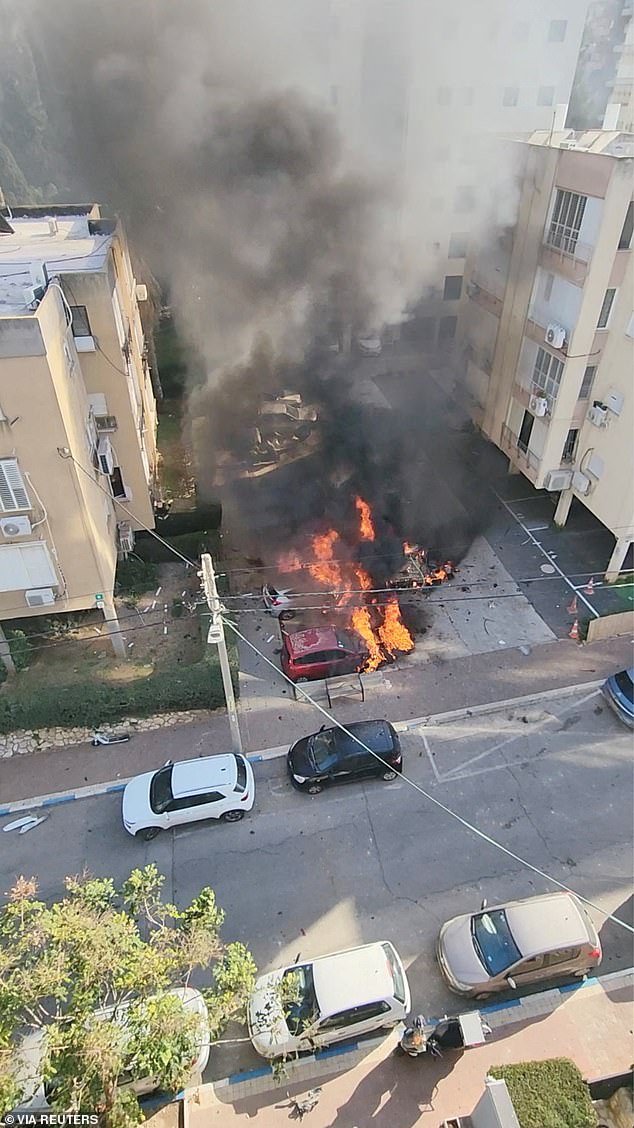
Trump’s war has now spiraled across the Middle East, with Israeli cities and several Gulf allies coming under Iranian drone and missile attacks. The US has responded with a wave of airstrikes aimed at crippling Iran’s military bases and remaining leadership. American embassies in Saudi Arabia, Kuwait, and the UAE have been struck by drones. The State Department has ordered the departure of non-emergency personnel in response. 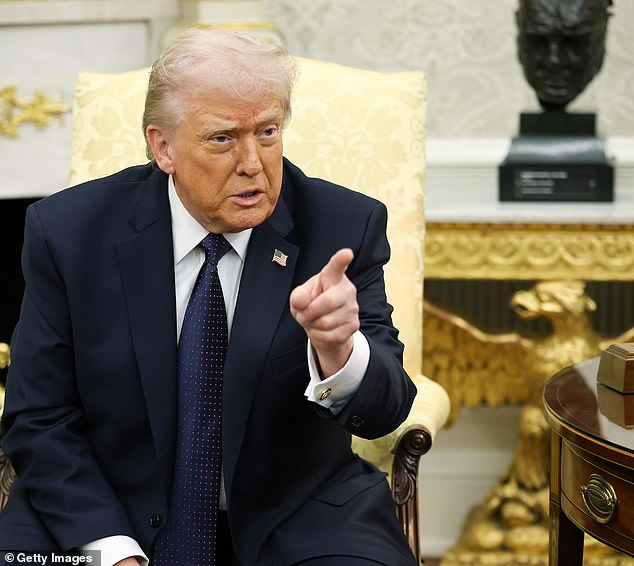

A total of six American troops are dead following the launch of ‘Operation Epic Fury,’ while nearly two dozen remain hospitalized from injuries. The Pentagon released the names of four of the six service members, saying they died in a drone strike in Kuwait. They were Capt Cody Khork, 35, Sgt Noah Tietjens, 42, Sgt Nicole Amor, 39, and Sgt Declan Coady, 20. All four were killed when a drone hit a command center in Port Shuaiba, Kuwait on Sunday—just one day after the US and Israel launched their military campaign against Iran, which has launched retaliatory strikes.
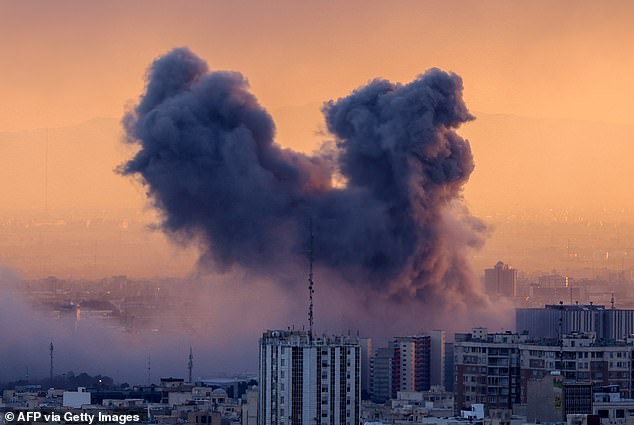
Israel also launched a fresh ‘broad wave of strikes’ against Iran on Tuesday evening. After five days of conflict, the US and Israel have struck 1,700 targets inside the country, including missile sites, government buildings, the Iranian state broadcaster, air-defence systems, radar stations, and nuclear facilities. Hospitals, schools, and residential buildings were also hit in what was described by those on the ground as ‘an apocalypse.’ In its daily update on Tuesday, the humanitarian Iranian Red Crescent Society reported 787 dead across 153 cities.
Escalating Conflicts and Global Impacts
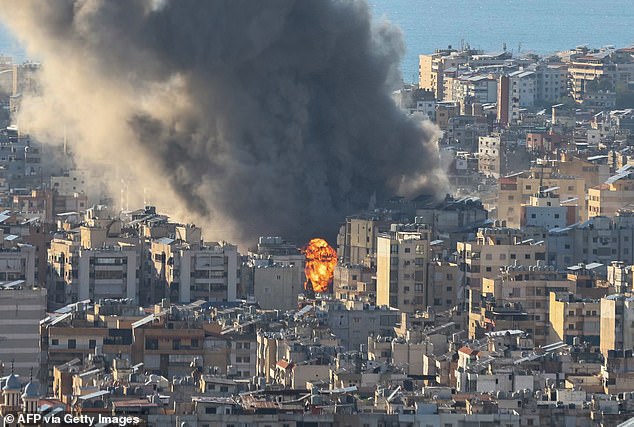
The IDF also continued to trade blows with Hezbollah. Iranian-backed Hezbollah, who began firing missiles at Israel in response to the ayatollah’s death, targeted Haifa’s navy base. Israel hit back, and loud explosions were heard across Beirut. It also launched a major ground offensive into southern Lebanon, from where it is understood Iranian-backed terrorists launched a Shahed drone that struck RAF Akrotiri on Cyprus.
Israel said it had deployed troops ‘deeper into southern Lebanon,’ beyond positions it occupied at the time of the 2024 ceasefire between its government and Iranian-backed Hezbollah forces. Israeli Prime Minister Benjamin Netanyahu said he had authorized the army to advance in order to ‘prevent the possibility of direct fire on Israeli communities.’ Last night, the Israeli military said Hezbollah had made ‘a grave mistake’ joining attacks against Israel by its sponsor Iran.
Residents in Israel were warned of ‘cluster bombs’ being sent in their direction by Iran. After Iranian attacks on US assets and diplomatic buildings within Saudi Arabia, there were reports that the Kingdom is considering joining the US-Israeli offensive. The US Embassy in Lebanon announced it was closing until further notice.
Iran also attacked a port in Oman where the UK has a Joint Logistics Support Base and the Fujairah oil terminal in the UAE. The US consulate in Erbil, northern Iraq, was targeted. The US is planning an emergency evacuation of thousands of its citizens from the Middle East, having previously stated it would be for those individuals to ensure their own security.
The economic effects are already being felt, with share prices plunging and oil prices rising. The Strait of Hormuz, a key shipping route used to transport around 20 per cent of the world’s oil, was forced shut by Iran, who threatened to ‘set fire’ to passing ships. But Trump said the US would provide a military escort to ships ‘if necessary… as soon as possible.’ He added: ‘No matter what, the United States will ensure the free flow of energy to the world.’
Political Rhetoric and International Relations
On Tuesday, Trump also warned those who make up Iran’s depleted leadership that it was ‘too late to talk.’ And US Secretary of State Marco Rubio said: ‘I’m not going to give away the details of our tactical efforts, but the hardest hits are yet to come. ‘The next phase will be even more punishing on Iran than it is right now.’ He later added: ‘Iran is run by lunatics, religious fanatic lunatics. ‘They have an ambition to have nuclear weapons, and they intend to develop those nuclear weapons behind a programme of missiles and drones and terrorism so that the world will not be able to touch them for fear of those things. This is the weakest they’ve ever been. Now is the time to go after them. The President made the decision to go after them.’
Trump also lashed out at British Prime Minister Sir Keir Starmer, saying ‘This is not Winston Churchill we are dealing with.’ In comments that plunged the so-called ‘special relationship’ into an unprecedented crisis, Mr Trump declared that he was ‘not happy’ with Sir Keir and accused him of being ‘very, very uncooperative.’ Speaking in the White House, the US President hit out again at Sir Keir’s initial decision to block the US using British bases to launch attacks on Tehran. He also declared the US would cut all ties with Spain after it banned the US from using its shared airbases to launch attacks.


