

Escalation of Tensions in the Middle East
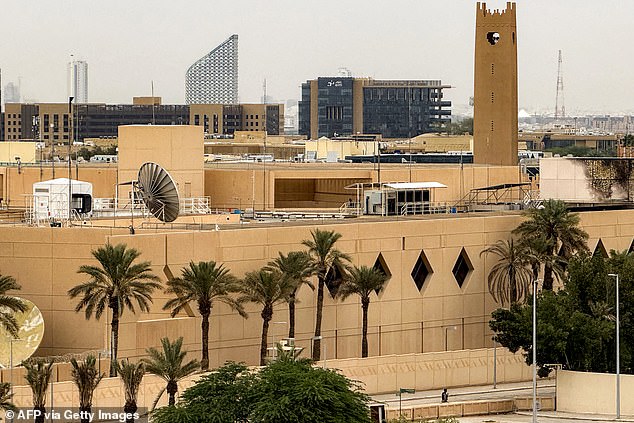
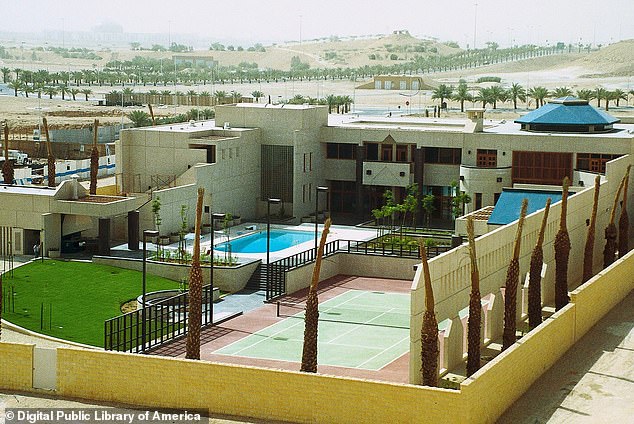
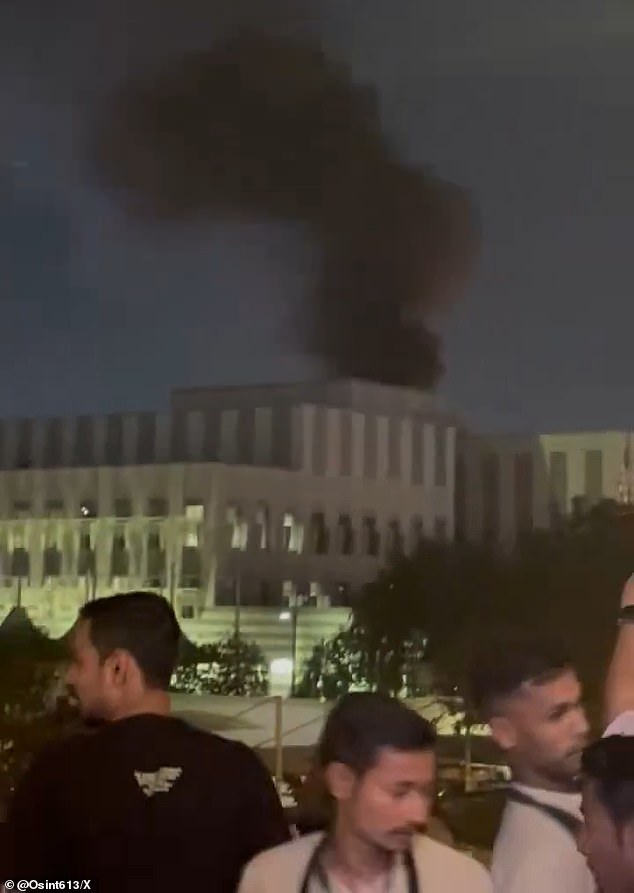
Iran has reportedly carried out a drone strike on a CIA station located within the US Embassy in Riyadh, Saudi Arabia. This attack occurred as the agency was allegedly working to arm militants for an uprising against the Iranian regime. The incident took place on Monday, just two days after the CIA successfully identified and targeted Ayatollah Ali Khamenei, leading to his death.
According to an internal State Department alert, the drone strike caused significant damage to the CIA station, collapsing part of its roof and contaminating the compound with smoke. The facility also suffered structural damage, and personnel were instructed to “shelter in place.” While the US and Saudi governments confirmed that two drones hit the embassy complex, they did not disclose the specific impact on the CIA station, as reported by the Washington Post.
There is no indication that any CIA personnel were injured during the attack. This incident comes amid ongoing tensions between Iran and the US, with Iran launching attacks on Israel, the US, and its allies in retaliation for strikes that led to Khamenei’s death.
Drone Strikes Targeting US Facilities
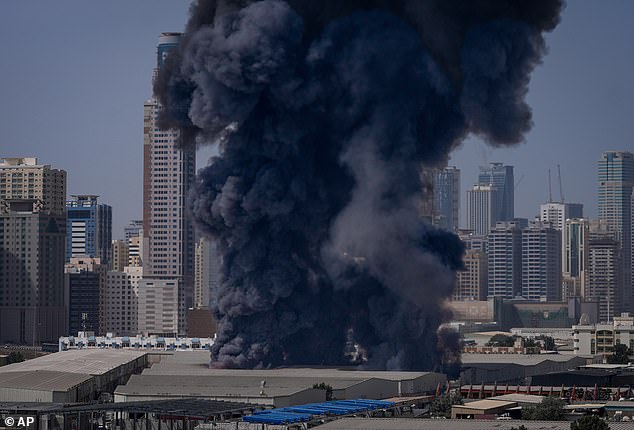
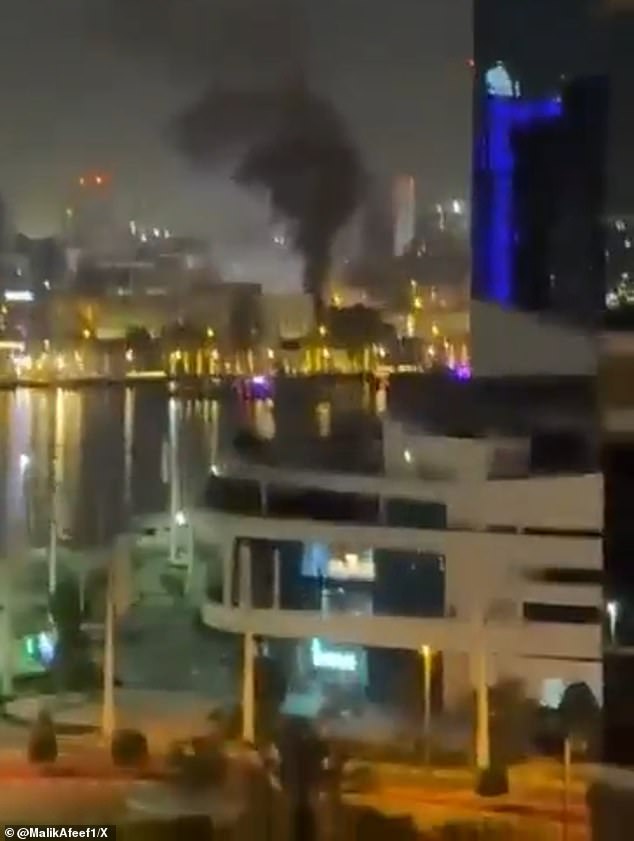
The US Consulate in Dubai was also targeted by a drone strike on Tuesday, causing a massive explosion that lit up the sky. A primitive Shahed drone managed to bypass high-tech defenses and struck a car park near the consulate, which had been evacuated in advance. Additionally, two Iranian ballistic missiles hit Al-Udeid Air Base, the largest US military installation in the Middle East. No casualties were reported from these attacks.
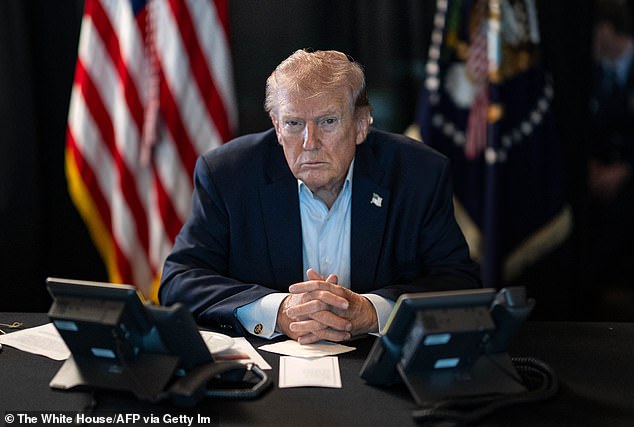
The effectiveness of Iran’s response to the US-Israeli bombardment, which began with the assassination of Khamenei, has surprised the White House. Former President Donald Trump admitted in interviews that the US did not expect Iran to retaliate against Gulf neighbors who are not involved in the campaign but host US bases.


Historical Context and Current Operations
The CIA has long been viewed by the Iranian regime as its main adversary, partly due to its history of covert operations aimed at destabilizing the leadership. The agency, along with the UK’s MI6, played a key role in the 1953 Iranian coup d’état, which overthrew the country’s democratically elected leader. Now, the CIA is reportedly working to arm Kurdish militants inside Iran to incite an uprising following Khamenei’s death.
Top White House officials have been in active discussions with Kurdish leaders in Iraq about providing them with military support to strike the Iranian regime. Iranian Kurdish militants have thousands of soldiers along the Iraq-Iran border, with major support in Northern Iraq’s Kurdistan region.


Potential for On-Ground Rebellion
An on-ground rebellion could begin in the coming days. Since the fall of Saddam Hussein in 2003, this semi-autonomous region has served as a haven for local Kurdish groups that pose a military threat to Iran. The Islamic Revolutionary Guard Corps (IRGC) has targeted these groups with dozens of drone strikes since the start of the war on Saturday.
President Trump reportedly spoke with the president of the Democratic Party of Iranian Kurdistan, one of the major Kurdish opposition groups targeted by Tehran’s military. The Sunni Muslim group has engaged in guerrilla warfare against the Iranian military and the IRGC.
Leadership Transition in Iran
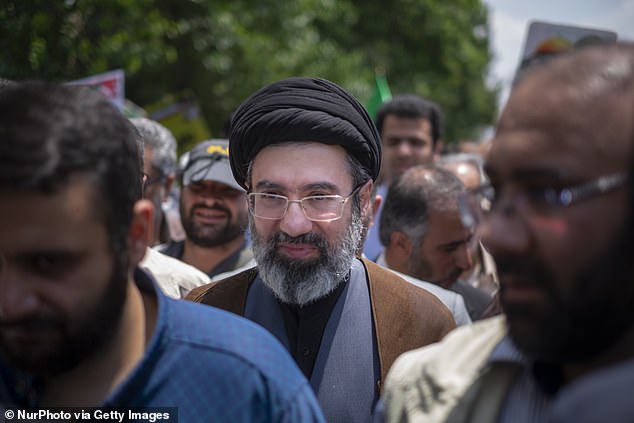
Mojtaba Khamenei, the son of Ayatollah Ali Khamenei, was reportedly appointed Iran’s new Supreme Leader on Tuesday evening. Mojtaba, 56, is the second oldest son of the late ayatollah and has strong links to the Iranian Revolutionary Guard Corps (IRGC). He was chosen by Iran’s Assembly of Experts under pressure from the Revolutionary Guards, according to Iranian opposition outlet Iran International.
Despite his lack of official role in the regime, Mojtaba has served in the Iranian armed forces during the Iran-Iraq war and is believed to wield considerable influence behind the scenes. However, he was not included in a list of three senior clerics Ali Khamenei reportedly identified last year.

Escalation of Conflict
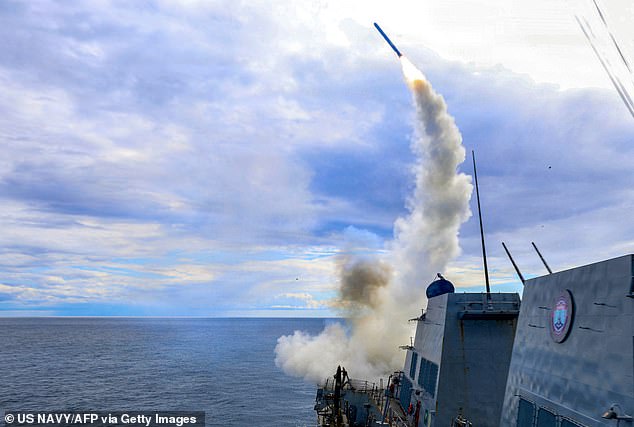
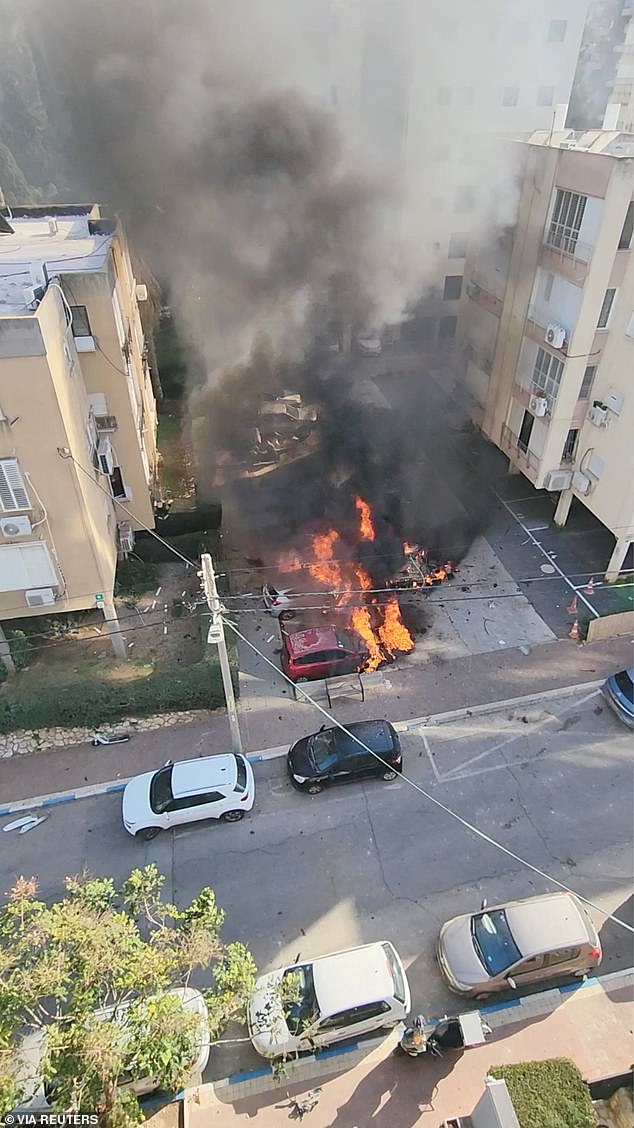
Trump’s war has now spread across the Middle East, with Israeli cities and several Gulf allies coming under Iranian drone and missile attacks. The US has responded with a wave of airstrikes aimed at crippling Iran’s military bases and remaining leadership. American embassies in Saudi Arabia, Kuwait, and the UAE have been struck by drones, prompting the State Department to order the departure of non-emergency personnel.
A total of six American troops are dead following the launch of ‘Operation Epic Fury,’ while nearly two dozen remain hospitalized from injuries. The Pentagon released the names of four of the six service members, saying they died in a drone strike in Kuwait.


Humanitarian Impact and Regional Consequences
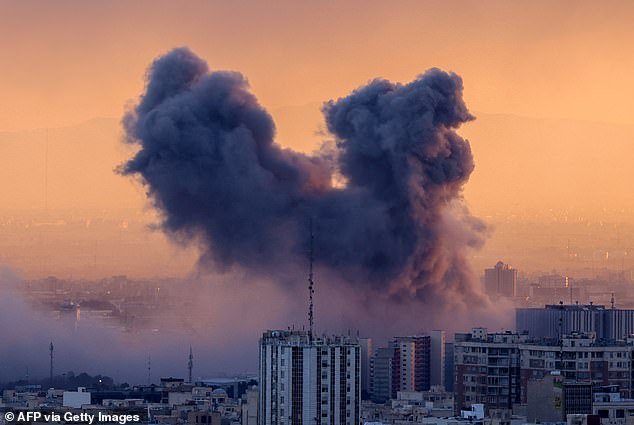
Israel launched a fresh ‘broad wave of strikes’ against Iran on Tuesday evening. After five days of conflict, the US and Israel have struck 1,700 targets inside the country, including missile sites, government buildings, the Iranian state broadcaster, air-defence systems, radar stations, and nuclear facilities. Hospitals, schools, and residential buildings were also hit, described by those on the ground as “an apocalypse.”
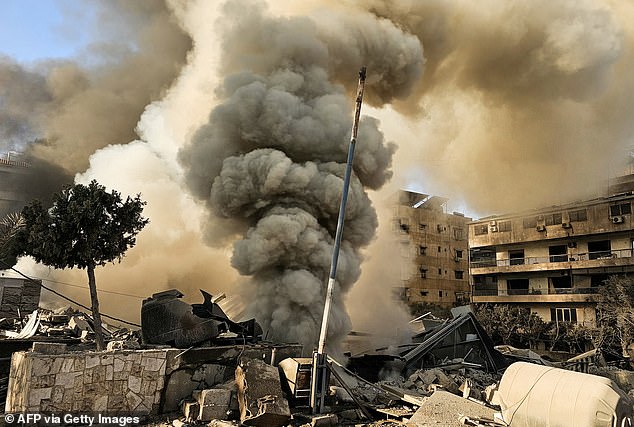
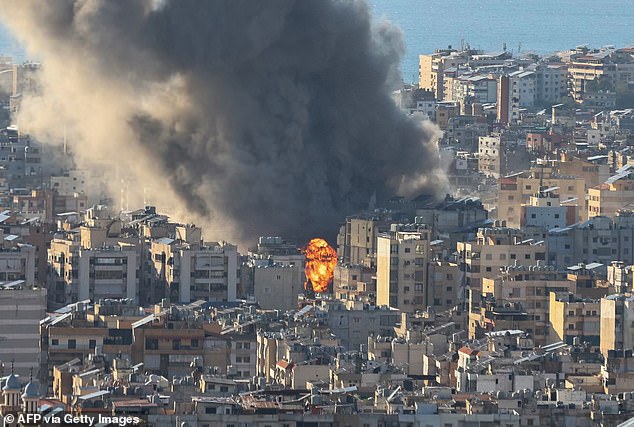
The humanitarian Iranian Red Crescent Society reported 787 dead across 153 cities. The IDF continued to trade blows with Hezbollah, who began firing missiles at Israel in response to the ayatollah’s death. Israel hit back, with loud explosions heard across Beirut.

Economic and Strategic Implications
The economic effects are already being felt, with share prices plunging and oil prices rising. The Strait of Hormuz, a key shipping route used to transport around 20% of the world’s oil, was forced shut by Iran, who threatened to “set fire” to passing ships. However, Trump said the US would provide a military escort to ships “if necessary… as soon as possible.”
He added: “No matter what, the United States will ensure the free flow of energy to the world.”
Trump also warned those who make up Iran’s depleted leadership that it was “too late to talk.” US Secretary of State Marco Rubio stated that “the hardest hits are yet to come,” adding that “Iran is run by lunatics, religious fanatic lunatics.”


