
The Rise of AI in Romantic Communication
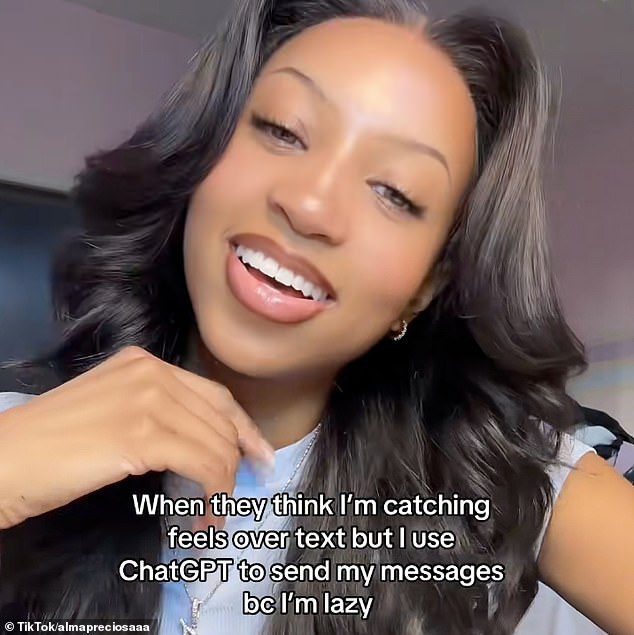
Receiving an unexpectedly romantic text from your partner might seem like a sign that your relationship is better than ever. However, with the growing popularity of AI chatbots like ChatGPT, this could no longer be the case. On social media, many people have confessed to using AI to craft messages for everyone from passing crushes to long-term partners. One tech-savvy dater even claimed to have used AI to create the perfect message for their boyfriend’s Valentine’s Day card.
While AI-generated text can be extremely convincing, experts suggest there are several ways to spot a message from ChatGPT. According to writing expert Naomi Alderman, the key lies in how the words fit together rather than what they say. She explains that “words that ought to be working together are instead not even fighting each other – fighting is interesting – but coming apart in your hands like a cheaply-made toy.”
If your partner is suddenly telling you exactly what you want to hear, here are seven ways to tell if their texts are really coming straight from the heart.
Seven Signs Someone Is Using AI to Text You
-
Generic Soft Tone
One of the most obvious giveaways of AI-generated content is its generic tone. ChatGPT and other chatbots are large language models that generate sentences by predicting the most likely word to follow in a sequence. While this creates a convincing simulation of intelligence, it lacks the personality a human would bring. AIs are typically designed to be helpful, which often results in friendly and somewhat professional language. Even when asked to be more expressive, the output may still feel overdone. -
Is It Word Salad?


Since AI generates sentences word-by-word, they can often lack internal coherence. Ms. Alderman describes this as a feeling where “the longer you look at it, the less it means.” This “word salad” effect can make AI-generated texts sound dramatic or flirtatious, but upon closer inspection, they may not make much sense. If words are combined strangely or in jumbled orders, that could be a sign of AI involvement. -
Do the Words Go Together?
Even if the words fit together properly, the meaning might still feel incoherent. Ms. Alderman references an episode of Friends where Joey uses a thesaurus to rewrite a sentence, resulting in something that doesn’t quite convey the same meaning. AI-generated texts may have a similar issue, where the words seem chosen at random. While the technical meaning may be correct, the tone might not match. -
Would Someone Say It Out Loud?
If you’re unsure whether a text was written by a human, try reading it out loud or imagining saying it to someone else. If it doesn’t feel natural, there’s a chance it wasn’t written by your partner. Reading the text aloud yourself can also help determine if it sounds like a natural human sentence. -
Does It Have a Point of View?
When reading the text aloud, pay attention to its “point of view.” Human-written texts usually come from a genuine perspective, while AI-generated ones may feel impersonal. Ms. Alderman notes that AI texts often sound like “committee-written bureaucracy,” lacking the emotional connection of a real person. -
Is the Writing Bad?
While many people use AI to improve their writing, the results are often simply bad. This doesn’t mean they’d fail a creative writing class, but they lack the instinctive human touch. For example, if your partner has suddenly started writing love poetry, it could be a sign of AI interference. Humans have a natural feel for rhythm and pacing, which AI still struggles with. -
What Do Other AIs Say?


If you suspect your partner is using AI to text you, you can ask another AI to analyze the message. Copy and paste the text into ChatGPT and ask, “Is this written by an LMM?” The AI can then analyze the text for signs of being generated by a large language model. There are also specialized AI-checker programs online that scan for AI use. While it’s easy for someone using AI to make the text harder to detect, many people don’t bother with this extra step.


Ms. Alderman concludes that while these tools aren’t 100% reliable, they highlight the evolving relationship between humans and AI. As technology continues to advance, the line between human and machine communication becomes increasingly blurred.


