
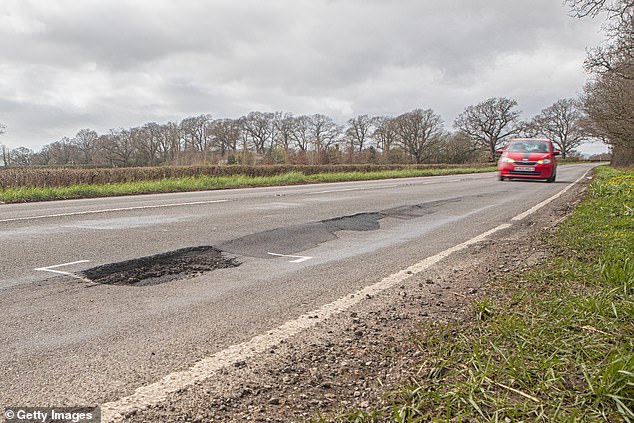
The Pothole Problem in Britain
Whether it’s on a quiet country road or a busy motorway, it seems almost impossible to drive anywhere in Britain without encountering a pothole. While you might curse the council for not filling in the hole that just damaged your car’s suspension, the source of Britain’s pothole problem is more complex than it appears.
By the time a pothole starts to appear, the best time to act has already passed. For a country with roads already as cratered and pitted as Britain, this is turning into a major issue. Experts say the pothole crisis is the result of a ‘whack-a-mole’ approach to filling potholes rather than focusing on preventing them from forming in the first place.
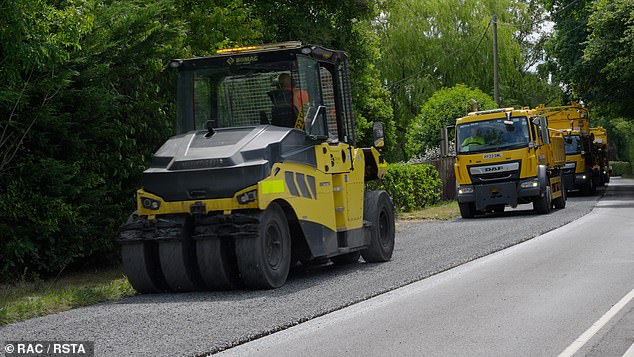
There are several modern preventative treatments available that can extend the lifetime of Britain’s failing roads by decades. These include surface dressing, preservative sprays, and rejuvenation treatments. However, the majority of UK councils are still neglecting these cost-effective measures. As a result, no matter how many potholes are filled, some UK roads continue to deteriorate.
Why Filling in Potholes Isn’t the Solution
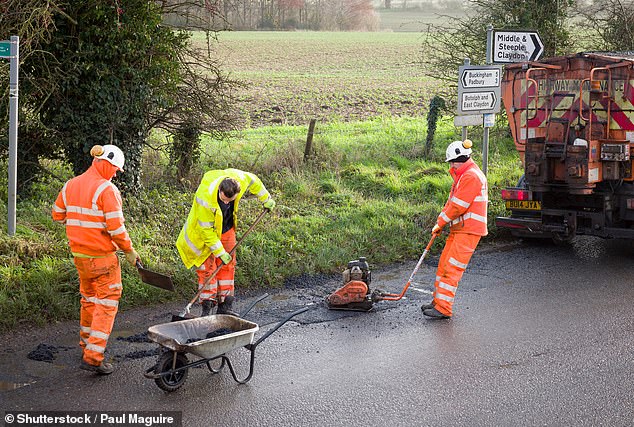
Along with talking about the weather, complaining about potholes is something of a British obsession. Potholes consistently rank as drivers’ biggest concerns, even surpassing the cost of insurance in a recent RAC survey. This is easy to understand given the damage they cause. In 2024 alone, the RAC responded to 6,575 incidents of pothole-related damage, including damaged shock absorbers, broken suspension springs, and distorted wheels.
This leads to significant pressure on councils to dedicate more resources to patching up the holes in their roads. In 2024, the government awarded councils £1.6 billion in extra funding to fill an estimated seven million extra potholes. However, experts argue that this ‘whack-a-mole’ approach to road maintenance is actually leaving Britain’s roads in a worse state.
Simon Williams, head of policy at the RAC, explained: “Councils then kind of get obsessed with trying to fill potholes because they’re dangerous, and they need to be filled. But then, if you don’t go and treat that road surface afterwards, the pothole’s going to reappear.”

The Four Methods for Restoring a Road
-
Rejuvenation
Spraying a road with an oily substance to soften the bitumen. -
Preservation
A solvent-based treatment is sprayed on the roads to seal cracks and form a hard seal. -
Surface Dressing
A thick layer of bitumen and chippings is rolled over the road and ‘locked down’ in place. -
Microsurfacing
A cold emulsion called micro asphalt is spread over the road. This dries into a new surface to remove minor defects and restore texture.
Once a pothole occurs, it’s a sign that the road is starting to fail. Filling in one pothole solves the immediate problem, but if the road itself is already failing, more cracks will reappear next winter. Instead, experts suggest that councils should focus on extending the roads’ lifetimes so that cracks never form in the first place.

How to Extend a Road’s Lifetime
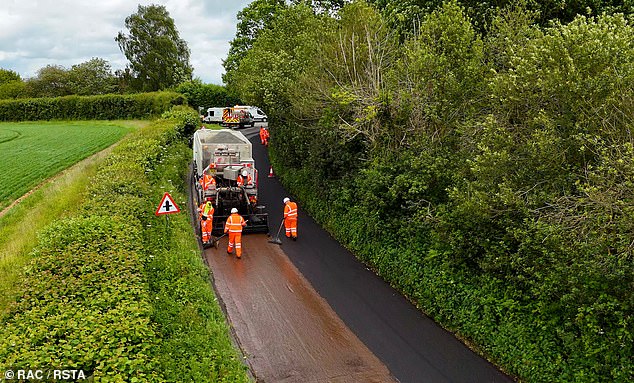
There are four main ways to extend a road’s expected lifetime: rejuvenation, preservation, surface dressing, and micro resurfacing.
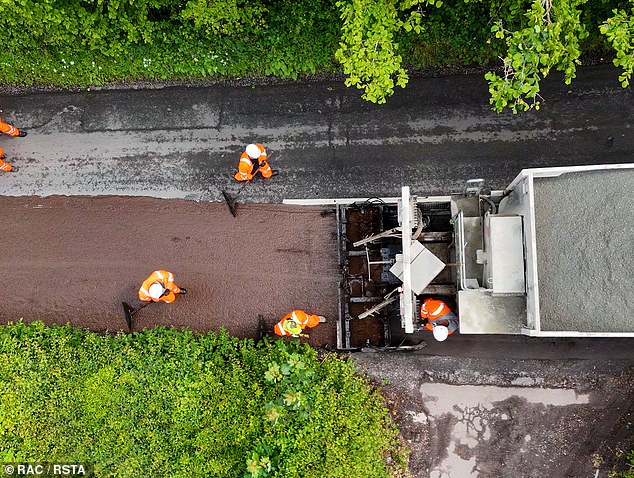
Rejuvenation treatments involve spraying an oily substance onto the surface to soften the bitumen. This process can ‘reset the clock’ on the road, making it as good as new. Following that, councils can use a preservative treatment, which is sprayed over the surface to create a tough skin that prevents water from penetrating and forming cracks.
For roads with more serious problems, surface dressing is a common form of road maintenance. A thin layer of bitumen and stones is sprayed onto the surface and rolled into place. Finally, many councils are now adopting an innovative treatment called micro asphalt, which is essentially a slurry containing cement, additives, fibres, and bitumen emulsion.

The Local Authorities That Did No Preservation or Resurfacing
Some local authorities did not carry out any preservation or resurfacing on major roads in 2023–2024, including:
- Bexley
- Birmingham
- Blackpool
- Central Bedfordshire
- Darlington
- Greenwich
- Havering
- Merton
- Plymouth
- Torbay
Similarly, the following areas did not carry out any preservation or resurfacing on minor roads:
- Bexley
- Blackpool
- Redcar and Cleveland
- Tameside
Why Road Maintenance Is Important
Alan Casson, Strategic Asset Manager for the highway management team at Kent County Council, explained that roads deteriorate in a curve. He said, “Not a lot happens for the first five years. However, once roads start to deteriorate, they break apart faster and faster until they spiral out of control towards the end of their lifespan.”
Applying a preservative treatment every five years can extend the lifespan of roads by decades and prevent potholes from forming. This is not only better for drivers but also a significantly more cost-effective use of taxpayers’ money.

The UK’s Pothole Postcode Lottery
Around the country, there are striking examples of how effective road maintenance can be. Since 2007, the entire length of the M40 has been treated twice using a preservative called Rhinophalt. Since then, the motorway has been consistently voted as the best road in the UK by industry experts and has required very little major maintenance.
However, drivers in the rest of the UK aren’t as lucky. Some councils report difficulties in getting senior decision makers to adopt this strategy, as they are fixated on fixing potholes and resurfacing end-of-life roads.
According to the RSTA’s data, the use of road surface treatments has plummeted from 90 million square metres in 2008 to just 35 million square metres in 2023. This is one of the biggest contributory factors to why we have so many potholes.

Examples of Effective Road Maintenance
Kent County Council spends £10 million each year on preservative and rejuvenation treatments and a further £3–4 million on surface dressing and micro-asphalt. Mr. Casson explains that this is a really good use of taxpayers’ money because the alternative is waiting for the road to fail.
In Norfolk, where there are just 1.3 potholes per mile, the local authority is investing heavily in road preservation. In 2025, the council plans to spend £12 million treating 320 miles of the council’s 6,200 miles of roads, up from 280 miles last year.
While these examples show how efficient the preventative approach can be, there are still few places where it is being put into practice. With cash for new projects in short supply, many areas will continue to face an endless wave of potholes for years to come.


