
The Struggle for Peace in Horne, Surrey
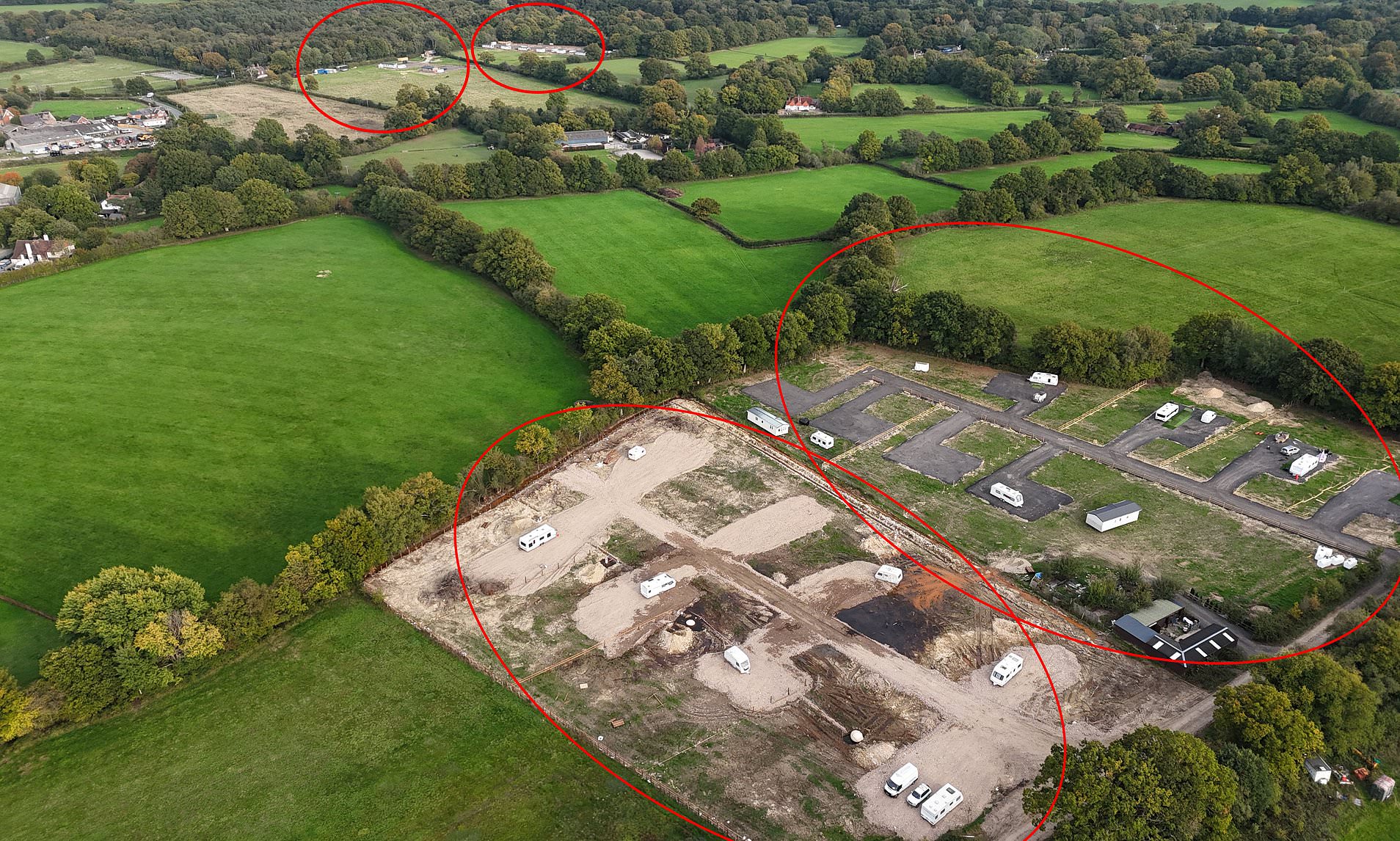
In the once peaceful parish of Horne, Surrey, the sound of bulldozers and tipper trucks has become a familiar and unwelcome noise. The residents know what to expect: the arrival of another traveller camp on a nearby field or former farmland, often without proper planning permission. This process involves ripping up the land, laying hardstanding, installing drainage, and marking out caravan pitches—before the local council even becomes aware.
The travellers typically purchase the land and begin work on a Friday evening, taking advantage of the weekend when the council is closed. This gives them free rein to proceed unchallenged until Monday (or Tuesday if it’s a Bank Holiday). By then, the green space is already transformed, making it difficult to reverse the damage.
Planning and legal battles often follow, with the council issuing temporary ‘stop and enforcement’ notices while the travellers apply for retrospective planning permission. If their request is denied, they may appeal, sometimes invoking Article 8 of the European Convention on Human Rights, which protects the right to private and family life.
A balaclava-wearing traveller once told a homeowner who questioned their presence: “We’ve got families just like you—we’ve got to live somewhere.” This statement highlights the tension between the residents and the travellers, who seem to disregard the impact of their actions on the community.


A Growing Concern in Horne
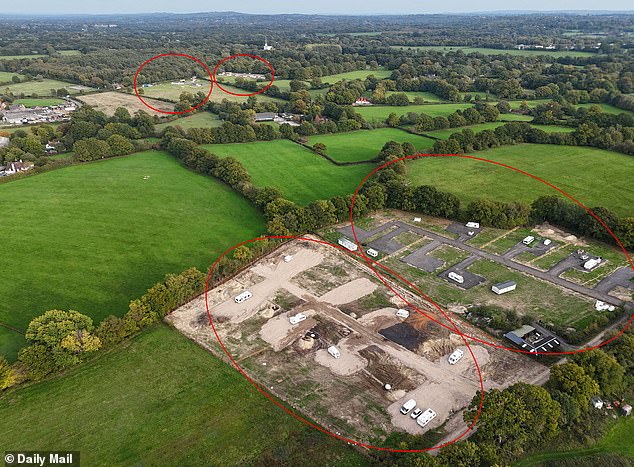
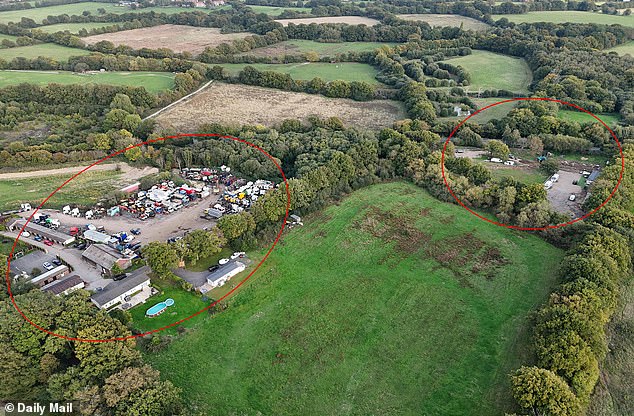
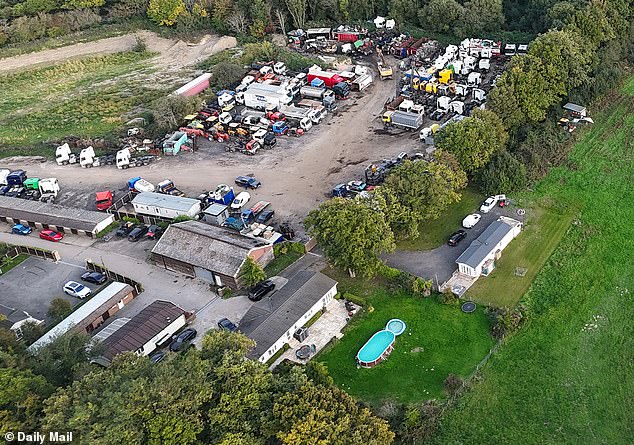
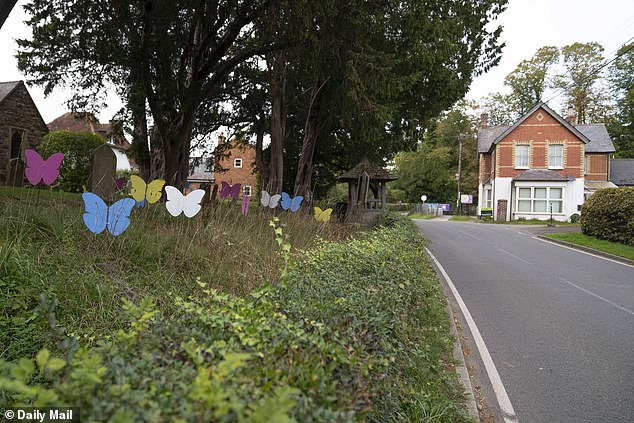
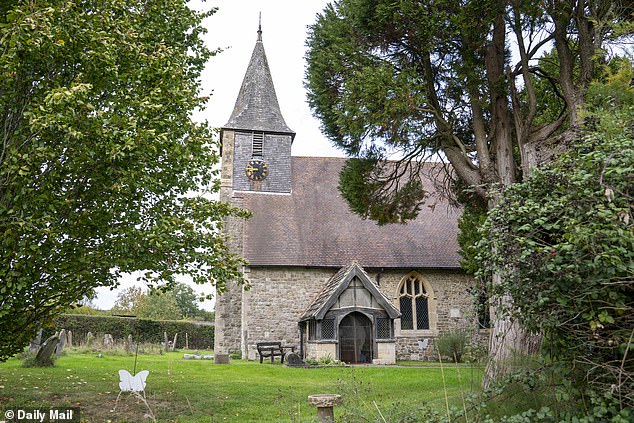
Horne, a charming rural parish with a population of around 950, has seen an alarming increase in unauthorised traveller camps. At least six camps have appeared in recent months, with three different caravan sites only 300ft apart. Homeowners feel outnumbered and increasingly frustrated.
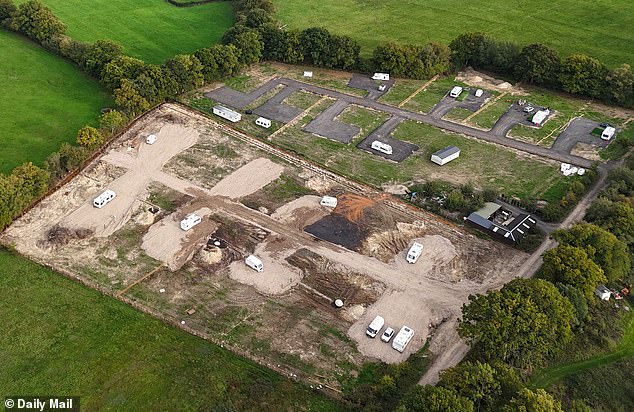
The recently formed Horne Residents Association has created a map showing 14 traveller sites within a 2.5-mile radius of the parish, most of which appeared in the last two years. The most recent case involved unauthorised work at East Park Farm, where topsoil was removed and drainage installed on Thursday, followed by the arrival of people on Friday.
Residents were horrified by the scale of the operation, with at least 100 drops by big tippers and 18 pitches marked out on an eight-acre site. Thanks to the vigilance of locals, Tandridge District Council obtained a High Court interim injunction on Saturday, September 13, preventing further development without planning permission. Breaching such an injunction can lead to contempt of court proceedings, including imprisonment.


Desperation and Fear
The desperation among residents has led to discussions about using horseboxes and tractors to barricade roads if more travellers arrive. One resident said, “We’re law-abiding people, not the sort to take the law into our own hands. But it’s an indication of people’s fear, how they’re trying to think of ways to take control when they feel totally powerless.”
Some elderly residents are afraid to use footpaths due to uncomfortable interactions with the travellers. Catherine Sayer, leader of Tandridge District Council, warned that the continued construction of unauthorised sites could spark serious unrest. She emphasized the complexity and expense of dealing with such cases, but pledged to use every legal power available to address the issue.
Broader Implications
Unauthorised sites are not confined to Tandridge and have long been a problem across Surrey and other parts of the country. The council has served five temporary stop notices and two interim injunctions in the last three months, as well as refused one application for retrospective permission for a gypsy and traveller site.
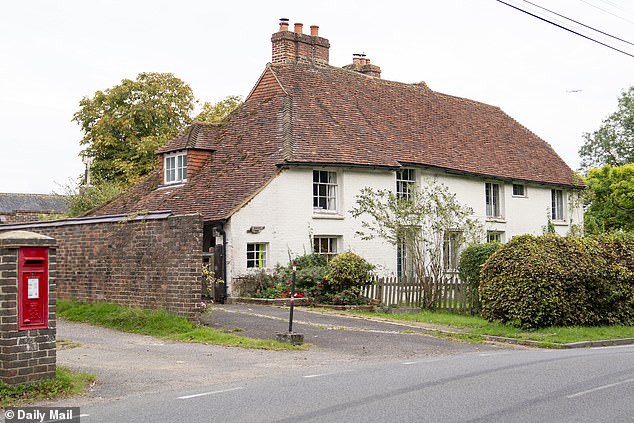
For some residents, the transformation of their once tranquil environment into a place of fear and uncertainty has prompted them to consider moving away. One homeowner, who put his home on the market for nearly £100,000 less than its pre-invasion value, said, “I used to look out over lovely green fields—now my view is caravans, mobile homes and hardcore.”
Calls for Action
Sir Jeremy Hunt, the Conservative MP for Godalming and Ash, has called for action against unauthorised encampments in Surrey, emphasizing the need for stricter enforcement of planning rules. He highlighted the frustration of seeing the law ignored and the burden on councils.
Friends, Family and Travellers, a charity advocating for Gypsy, Roma and Traveller communities, argues that councils must do more to find permanent sites for these individuals. New planning policies allow for the development of traveller sites on Green Belt land under exceptional circumstances, but this has placed pressure on local authorities to meet the needs of their populations.
Back in Horne, another resident shared their story of moving from London during the pandemic, only to face the reality of constant fear of new traveller camps. “We wanted a bucolic life. We didn’t realize there’d be a constant fear that travellers are going to pitch up,” they said.
The situation in Horne reflects a broader national crisis, with traveller camps transforming beloved rural green belts into sprawling caravan parks. The question remains: will the local community find a way to preserve their peace, or will the tide of unauthorised developments continue to rise?


