

A Complex History Between Britain and the Middle East
The relationship between Great Britain and the Palestinian people has been marked by a series of challenges and controversies, long before the recent discussions about Tony Blair’s potential role in Gaza. This history dates back to 1922 when London was given the mandate over Palestine by the League of Nations, an early precursor to today’s United Nations, following the end of the Ottoman Empire.
At that time, British foreign secretary Arthur Balfour made a promise to Zionist leaders in his country that a “Jewish homeland” could be established within Palestine. This promise, known as the Balfour Declaration, led to an increase in Jewish migration to the region. However, this move also caused significant tension with the local Arab population and other Arab leaders who had been promised independence. The resulting conflicts laid the foundation for the ongoing issues between Israel and Palestine.
Despite Britain’s eventual decision to return the mandate to the United Nations in 1947, and the UN’s proposal for two states coexisting, these problems have never been fully resolved.
The ‘Board of Peace’ and Tony Blair
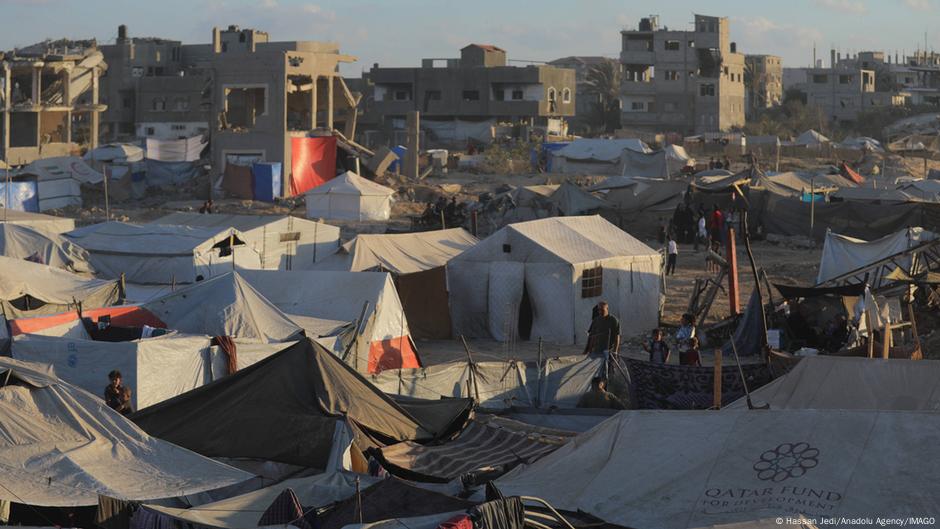
While the historical events leading up to the current situation in Gaza occurred long before Tony Blair’s time, it now appears that the former British prime minister may play a key role in the region again. According to the recent peace plan proposed by US President Donald Trump, after a ceasefire is negotiated, Gaza should be governed by a technocratic government overseen by a so-called “Board of Peace.” Trump would serve as chairman of this board, but Blair is expected to take on a leading role.
This development has drawn criticism from various quarters. Mustafa Barghouti, a member of the Palestinian National Initiative, expressed concerns that Blair should remain in his own country and allow Palestinians to govern themselves. Francesca Albanese, the UN’s special rapporteur for the West Bank and Gaza, was even more critical, referencing the Hague and highlighting Blair’s controversial past, particularly his involvement in the 2003 Iraq invasion.
Blair’s Controversial Role in the Iraq War
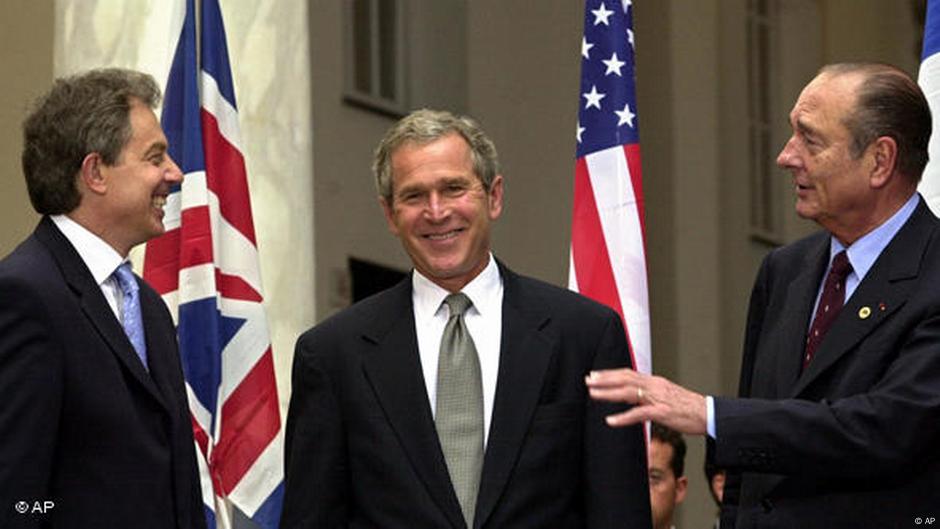
Blair’s political career was significantly shaped by his support for the US-led war in Iraq. After the September 11 attacks in 2001, he stood almost unconditionally behind former US President George Bush’s “war on terror.” This stance earned him the nickname “America’s poodle” from some critics.
Two years later, the Iraq war began, with both Bush and Blair claiming that Iraqi dictator Saddam Hussein possessed weapons of mass destruction. This claim was later proven false. A seven-year inquiry into the war, led by retired civil servant John Chilcot, concluded that the intelligence reports about the alleged weapons were not properly questioned, and the invasion should not have proceeded.
Although Blair accepted the findings of the inquiry and expressed “sorrow, regret and apology” for his mistakes, he continued to face accusations of being a war criminal.
Blair’s Role as Middle East Envoy
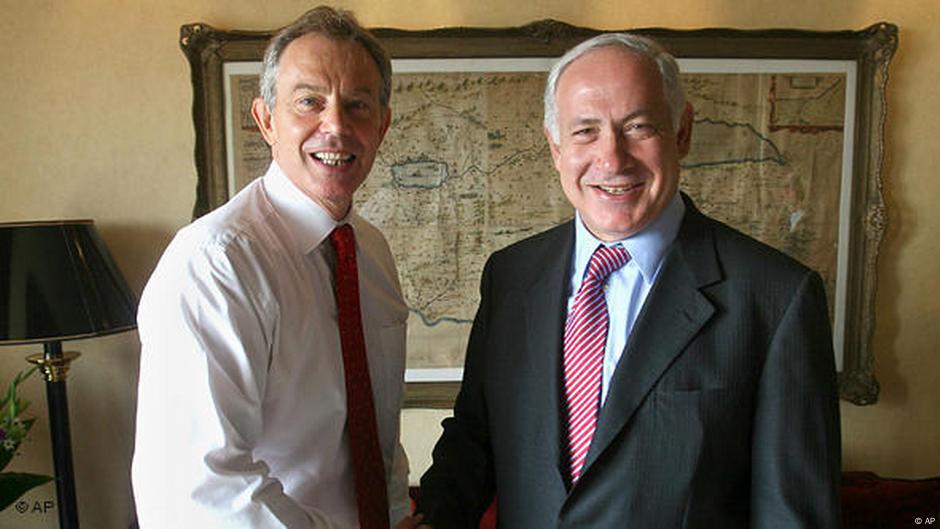
Despite the controversy surrounding the Iraq war, Blair remained active in the Middle East. Shortly after resigning as British prime minister in 2007, he was appointed as Middle East envoy by the so-called “Quartet,” which includes the UN, the US, the European Union, and Russia. However, his tenure was met with criticism, largely due to his private business interests in the region.
During his eight-year term, Blair faced accusations that he increasingly favored Israel’s position in the conflict. Former Palestinian negotiator Mohammad Shtayyeh criticized Blair, stating that he did little for the Palestinian cause and was used by Israel to justify its occupation and settlement policies.
Blair’s Think Tank and Post-War Plans for Gaza
After leaving his role as Middle East envoy, Blair founded the Tony Blair Institute for Global Change (TBI) in 2016. The think tank has been involved in advising various leaders, including autocrats such as Rwanda’s Paul Kagame and Saudi Arabia’s Crown Prince Mohammed bin Salman.
Allegations have surfaced that TBI staff were involved in developing a post-war reconstruction plan for Gaza. The plan reportedly included the creation of a “Trump Riviera” and a manufacturing zone named after Elon Musk. These claims have been denied by the TBI.
In February 2025, Donald Trump posted an AI-generated video illustrating the “Trump Riviera” vision, which sparked widespread outrage. Despite his checkered history in the Middle East, Blair has not hesitated to express support for the new Trump plan, calling it “bold and intelligent” and “the best chance of ending two years of war, misery and suffering.” However, he has not commented on whether he would take on a major role in the “Board of Peace.”


