
Market Reactions to Political Moves and Economic Indicators
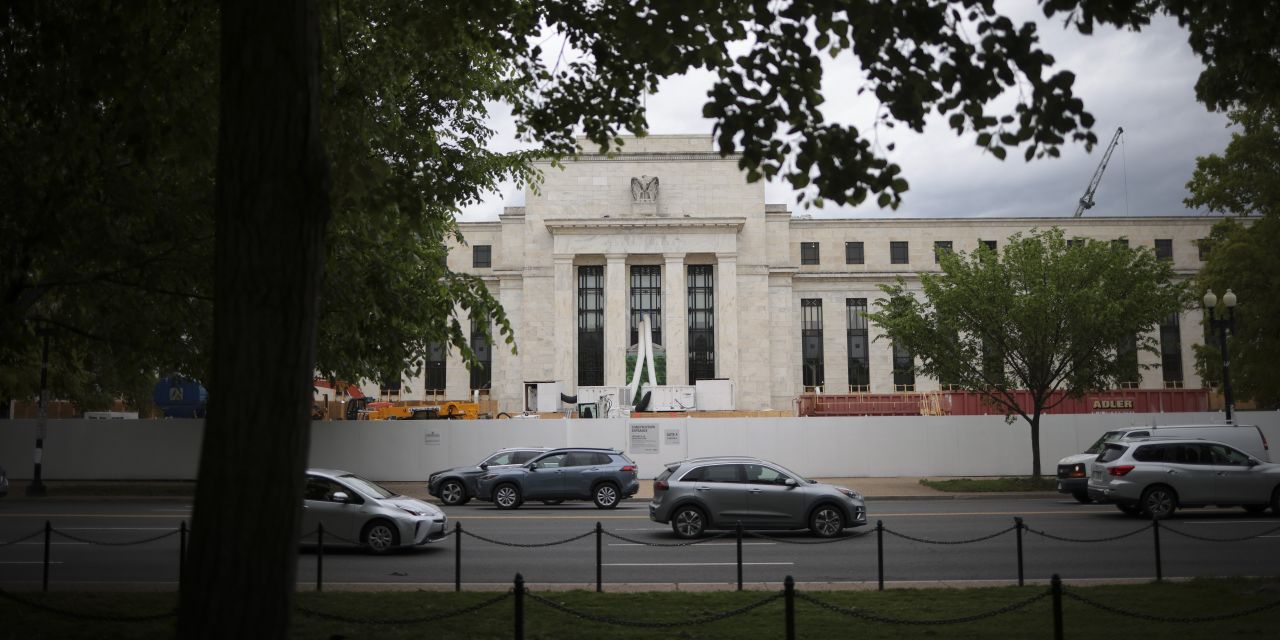
The U.S. Treasury market has shown mixed reactions to recent political developments, particularly regarding the potential removal of Federal Reserve Governor Lisa Cook. While some yields have declined, others have risen, reflecting uncertainty in the financial markets. Analysts are closely watching how these events might impact monetary policy and overall economic stability.
Impact on Treasury Yields
In one instance, the 10-year Treasury yield dropped slightly by 0.019 percentage points to 4.255%, while the two-year yield fell by 0.051 percentage points to 3.676%. This move occurred amid little market reaction to President Trump’s attempt to fire Cook. However, other reports indicate that long-dated U.S. Treasury yields rose as European traders reacted to the news. The 10-year yield increased by 2.7 basis points to 4.301%, and the 30-year yield climbed by 4.7 basis points to 4.936%.
Analysts suggest that the potential legal battle over Cook’s removal could lead to a prolonged period of uncertainty. George Catrambone from DWS Group believes this situation is a distraction and expects employment trends to weaken, which could support monetary easing. He also notes that July durable goods orders contracted less than expected, and August consumer confidence slipped, further complicating the economic outlook.
Concerns Over Fed Independence
The move to remove Cook has raised concerns about the independence of the Federal Reserve. Investors worry that if the Fed becomes more influenced by presidential decisions, it could affect its ability to manage inflation effectively. Joshua Mahony from Rostro highlights that such actions bring increased economic instability concerns, with fears that interest rate decisions may be based more on political desires rather than economic theory.
This concern is echoed in the U.K., where 30-year gilt yields have climbed, tracking their U.S. counterparts. The 30-year gilt yield reached a high of 5.632% before settling at 5.605%, showing similar trends to the U.S. market. Analysts believe that the Fed’s independence is crucial for maintaining stable monetary policy, and any perceived threats to this independence can lead to increased market volatility.
French Debt and Political Uncertainty
In France, the political stalemate has led to concerns about the country’s fiscal health. Prime Minister Francois Bayrou’s call for a confidence vote in the National Assembly has added to the uncertainty. Andrew Kenningham from Capital Economics notes that the political deadlock and ongoing deficit issues could worsen the crisis and harm market confidence.
French government bonds, or OATs, are expected to face increased volatility as the government seeks a confidence vote. Mohit Kumar from Jefferies points out that the current government relies on support from various factions, making any attempts to cut public spending likely to face opposition. This dynamic could lead to continued pressure on French debt markets.
Bond Market Volatility and Risk Sentiment
As risk sentiment souring tests the bond market selloff, analysts are watching how these dynamics will unfold. Hauke Siemssen from Commerzbank Research suggests that the adverse dynamics at the ultra-long end of the bond market may not change significantly, even with the addition of Trump’s influence on the U.S. risk premium. The less-liquid trade in eurozone government bonds due to a bank holiday in the U.K. added to the selloff, with the 10-year German Bund yield easing slightly to 2.726%.
Overall, the financial markets remain sensitive to political moves and economic data. As investors await further information, the focus remains on how these factors will shape future monetary policy and market stability.
Related posts:

Mother Suffers Daily Allergic Attacks After Drinking Contaminated Coffee Syrup


Challenges of Climate Change in Africa and Lessons from China’s Green Revolution

Senate joint committee finally holds hearing on Ivanhoe deal

True measure of leadership lies not in power, privilege, pageantry – Tinubu at book presentation

