
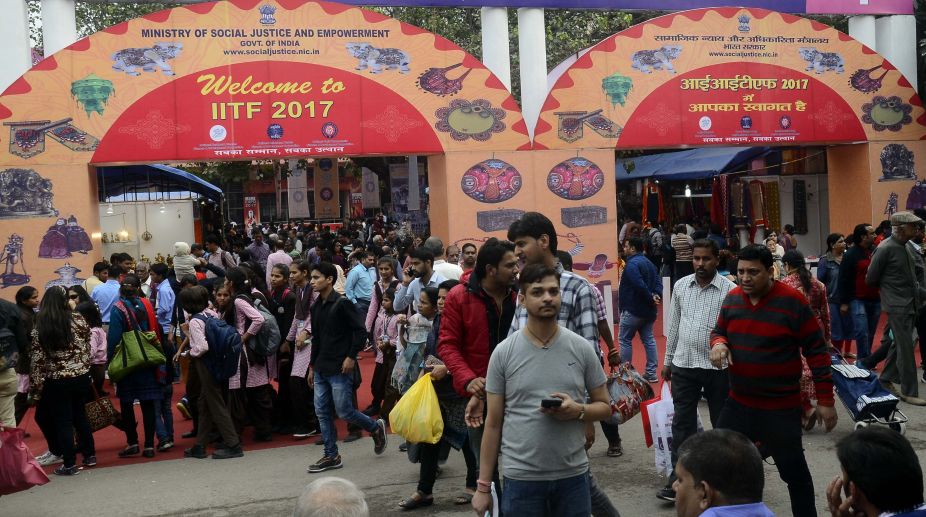
The Abuja International Trade Fair: A Hub of Commerce and Culture
For the past two0 years, the Abuja International Trade Fair (AITF) has served as a vibrant marketplace where residents and visitors can explore products from across Nigeria and beyond. This annual event has become a significant platform for both local and international businesses to showcase their goods and connect with potential customers.
The fair offers a wide range of products, from well-known brands like Dangote to small-scale traders selling everyday essentials such as sachet water. It is not only a place for trade but also a cultural experience, with live music, traditional performances, and a lively atmosphere that draws crowds from all walks of life.
Despite economic challenges that have affected consumer spending in recent years, the fair continues to attract a diverse audience. Many residents take advantage of the holiday season to bring their families, making it a popular destination for both shopping and entertainment.
A Free Entry Experience
One of the notable changes this year is the decision by organizers to make entry free, which was a shift from previous years when an entrance fee was required. This move has been welcomed by many, as it allows more people to access the fair without financial barriers.
Vendors are given the choice of setting up open or indoor stalls, providing flexibility in how they display their products. The variety of items on sale is impressive, including local perfumes, Adire fabrics, kitchenware, solar devices, dairy products, and cosmetics. Government agencies and state representatives also use the opportunity to promote their services and highlight regional products.
Cultural Performances and Regional Participation
States like Plateau and Nasarawa have taken advantage of the fair to showcase their unique products and cultural heritage. For instance, Nasarawa celebrated its “Day” with a performance by a local cultural troupe, adding a touch of tradition to the event.
The high commission of Ghana also had a stall, offering fabrics and other traditional adornments worn in Ghana. This international presence highlights the fair’s role as a bridge between different cultures and economies.
Vendor Perspectives and Challenges
While the fair continues to draw attendees, some vendors have expressed concerns about its visibility and accessibility. Sally Ameh, a vendor selling hair products, shared her first-time experience in Nigeria and noted that while she is optimistic about sales, she feels the fair needs better promotion.
Mary Otoo, another vendor with over a decade of experience, mentioned that the fair used to be more bustling than it is now. She emphasized the need for better advertising and lower stall prices to attract more visitors.
Samuel Ayew, who runs a food stall, observed that sales have picked up since the fair began. He praised the organizers for allowing free entry and suggested that improving the pace of activity on the first day could enhance the overall experience.
Joseph Terry, representing Sunny Kitchen Made in Japan, acknowledged the slow start but attributed it to the country’s economic situation. He also called for more advertising efforts to increase awareness of the fair.
Encouraging Local Products and Economic Growth
Okechuwu Christian, a vendor selling solar-powered devices, reported strong sales since the fair began. He commended the organizers for holding the event during a time when people still have their salaries to spend on family needs.
Eme Paul, a civil servant, highlighted the fair’s role in promoting locally made products and creating job opportunities. She emphasized the importance of supporting Nigerian-made goods and negotiating great deals.
Chris Akamiran, who visited the fair to find specific products, appreciated the initiative but noted that the high cost of living is affecting participation. He believes the fair could benefit from more vendors and better marketing efforts.
Conclusion
The Abuja International Trade Fair remains a vital event for commerce, culture, and community engagement. While challenges remain, the fair continues to offer a unique space for businesses to thrive and for visitors to discover new products and experiences. With continued improvements in visibility and affordability, the fair has the potential to grow even further in the years to come.


