Who Holds the Vote?

Posted on

The Complexity of Voting in Nepal

In Nepal, the simple question “Are you going to vote?” often carries a deeper, more complex meaning. It reflects the underlying challenges that many citizens face when it comes to exercising their right to vote. Despite the democratic framework, the act of voting is not as straightforward as it seems. It is influenced by a range of factors including patriarchy, caste hierarchies, economic exclusion, and political gatekeeping.

During the last national elections, only about 61 percent of eligible voters cast their ballots. This number might seem impressive at first glance, but it reveals a significant portion of the population who are unable to participate. Millions are left out due to rigid constituency-based laws and migration patterns that do not align with the current electoral map.

Exclusion of Migrant Workers

Approximately 7 million Nepalis living and working abroad are effectively excluded from the voting process. Although some can afford to return to vote, the logistical challenges and lack of political will make this a daunting task. For many migrant workers, the question of whether they will vote feels almost cruel. A young man working in the Gulf shared his experience, stating, “I left my village because there was no work. Now they tell me I must go back there to vote. Who will pay for that ticket?”

Internal migrants, who make up about 29 percent of the population, face similar issues. A garment worker in the Valley mentioned, “I will vote if my work lets me leave to travel home for voting,” highlighting the challenges faced by those who cannot afford to take time off work.

Challenges in a Changing World

Amid global wars, rising nationalism, tightening borders, and shrinking civic space, the fracturing of democracies reminds us that casting a ballot is an extremely critical act. In Nepal’s political conversations, especially those dominated by men, democracy is often discussed as a performance. The focus is on who speaks best, who strategizes hardest, and who wins the numbers game. However, the question of access and control is rarely addressed.

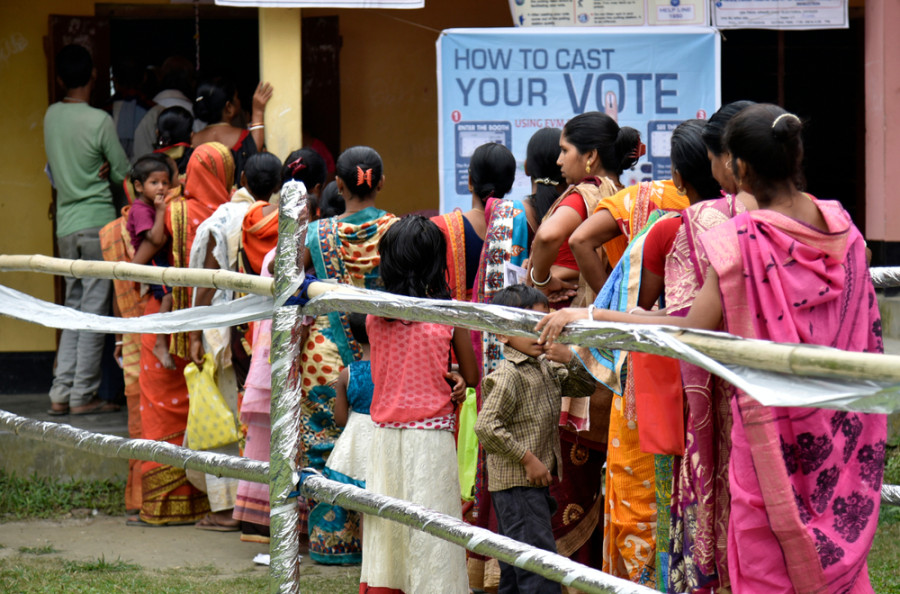
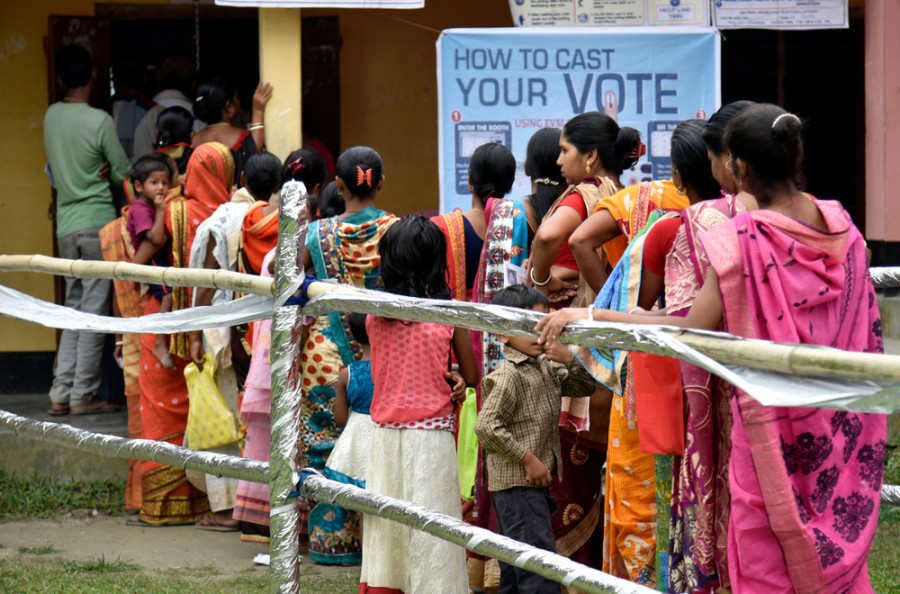
Who gets to vote without asking for permission? Who can leave home without explanation? Who can stand in a queue without being harassed or dismissed? These are questions that need to be considered. For many women, voting is not just a civic act but an act of negotiation with fathers or husbands who advise which symbol to choose. Even for women who reach the polling station, choice is not always free.

Marginalized Communities and Voting

For Dalit, Indigenous, Madheshi, migrant, and conflict-affected communities, voting is entangled with never-issued documents, shifting addresses, promises that were never kept, and a state that remembers them best during election season. A Dalit woman representative from Madhesh put it bluntly: “They want our vote, not our voice. After the election, they stop answering calls.”

If we want this election to be more than just a reshuffling of power among familiar faces, we need to ask different questions. Although new faces are emerging, they have reflected the same hierarchies with less diversity than they themselves critique. The Gen Z protest movement has raised hopes for renewal, yet the ‘new’ rarely challenges the old patterns.

The Importance of Voting

Voting matters, and it is not just a symbolic ritual. It is the highest formal expression and engagement of political influence most citizens will ever hold. This is when the power briefly but very importantly shifts from institutions to people. The importance and consequences are graver than they appear on the surface. We should vote. We should care who governs, who legislates, who allocates, and who negotiates our futures.

However, belief in voting does not mean that we absolve ourselves from examining who can reach that ballot freely. If participation is the highest form of civic influence, dismantling barriers to participation is vital for democracy.

The Question of Access

The question, then, is not simply “Are you going to vote?” It is rather what we are doing to ensure that everyone can? What reforms are we demanding to address migration-linked disenfranchisement, documentation gaps, gendered mobility restrictions, caste-based exclusion, and unsafe polling environments?

Democracy cannot rely on individual determination alone. It must be designed for equity. If we believe in voting, we must also believe in removing the permissions, negotiations, and risks that stand between citizens and the ballot. A right that requires a bus ticket, a day’s wage, a husband’s approval, or an updated citizenship certificate is not fully accessible. Participation is not charity. It is infrastructure, and it must be built deliberately, collectively, and urgently.

Who Holds the Vote?

Posted on

The Complexity of Voting in Nepal

In Nepal, the simple question “Are you going to vote?” often carries a deeper, more complex meaning. It reflects the underlying challenges that many citizens face when it comes to exercising their right to vote. Despite the democratic framework, the act of voting is not as straightforward as it seems. It is influenced by a range of factors including patriarchy, caste hierarchies, economic exclusion, and political gatekeeping.

During the last national elections, only about 61 percent of eligible voters cast their ballots. This number might seem impressive at first glance, but it reveals a significant portion of the population who are unable to participate. Millions are left out due to rigid constituency-based laws and migration patterns that do not align with the current electoral map.

Exclusion of Migrant Workers

Approximately 7 million Nepalis living and working abroad are effectively excluded from the voting process. Although some can afford to return to vote, the logistical challenges and lack of political will make this a daunting task. For many migrant workers, the question of whether they will vote feels almost cruel. A young man working in the Gulf shared his experience, stating, “I left my village because there was no work. Now they tell me I must go back there to vote. Who will pay for that ticket?”

Internal migrants, who make up about 29 percent of the population, face similar issues. A garment worker in the Valley mentioned, “I will vote if my work lets me leave to travel home for voting,” highlighting the challenges faced by those who cannot afford to take time off work.

Challenges in a Changing World

Amid global wars, rising nationalism, tightening borders, and shrinking civic space, the fracturing of democracies reminds us that casting a ballot is an extremely critical act. In Nepal’s political conversations, especially those dominated by men, democracy is often discussed as a performance. The focus is on who speaks best, who strategizes hardest, and who wins the numbers game. However, the question of access and control is rarely addressed.

Who gets to vote without asking for permission? Who can leave home without explanation? Who can stand in a queue without being harassed or dismissed? These are questions that need to be considered. For many women, voting is not just a civic act but an act of negotiation with fathers or husbands who advise which symbol to choose. Even for women who reach the polling station, choice is not always free.

Marginalized Communities and Voting

For Dalit, Indigenous, Madheshi, migrant, and conflict-affected communities, voting is entangled with never-issued documents, shifting addresses, promises that were never kept, and a state that remembers them best during election season. A Dalit woman representative from Madhesh put it bluntly: “They want our vote, not our voice. After the election, they stop answering calls.”

If we want this election to be more than just a reshuffling of power among familiar faces, we need to ask different questions. Although new faces are emerging, they have reflected the same hierarchies with less diversity than they themselves critique. The Gen Z protest movement has raised hopes for renewal, yet the ‘new’ rarely challenges the old patterns.

The Importance of Voting

Voting matters, and it is not just a symbolic ritual. It is the highest formal expression and engagement of political influence most citizens will ever hold. This is when the power briefly but very importantly shifts from institutions to people. The importance and consequences are graver than they appear on the surface. We should vote. We should care who governs, who legislates, who allocates, and who negotiates our futures.

However, belief in voting does not mean that we absolve ourselves from examining who can reach that ballot freely. If participation is the highest form of civic influence, dismantling barriers to participation is vital for democracy.

The Question of Access

The question, then, is not simply “Are you going to vote?” It is rather what we are doing to ensure that everyone can? What reforms are we demanding to address migration-linked disenfranchisement, documentation gaps, gendered mobility restrictions, caste-based exclusion, and unsafe polling environments?

Democracy cannot rely on individual determination alone. It must be designed for equity. If we believe in voting, we must also believe in removing the permissions, negotiations, and risks that stand between citizens and the ballot. A right that requires a bus ticket, a day’s wage, a husband’s approval, or an updated citizenship certificate is not fully accessible. Participation is not charity. It is infrastructure, and it must be built deliberately, collectively, and urgently.