A New Era of Representation in the Arts
In 1991, Lea Salonga was already a Tony Award-winning actress for her role in Miss Saigon. Yet, despite this success, she faced significant challenges in finding other roles. “My agent would be submitting me for auditions, but people were still like ‘No, we won’t see her because she’s Asian. They were unable to imagine someone like me playing [those] roles,” Salonga recalled.
Today, the idea of excluding an Asian performer from a role seems almost unimaginable. The entertainment landscape has transformed, with acts like BTS and Blackpink dominating Billboard charts, shows such as Shogun and Squid Game sweeping the Emmys, and Asian-led musicals achieving success on Broadway.
Salonga has since become a global Broadway icon. Revered as a national treasure in her native Philippines, she is also known for providing the singing voices of two Disney princesses: Princess Jasmine in Aladdin and the lead in Mulan.
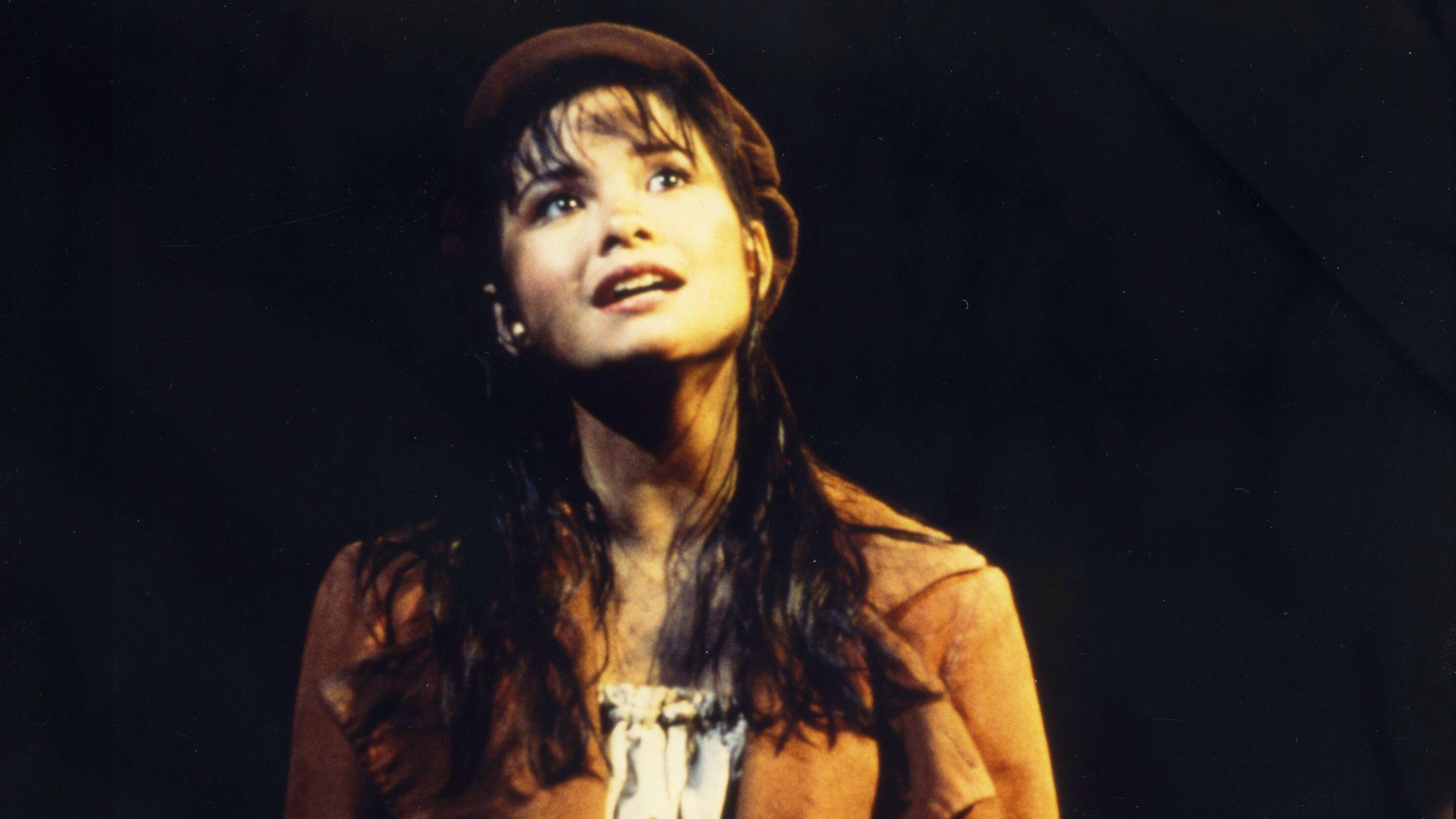
However, her journey to fame was not without obstacles. Her breakthrough role as Eponine in Les Misérables was only possible because she bypassed the audition process entirely. “Because the producers of Miss Saigon also produced Les Mis, I received an invitation to join… so I do appreciate that I had advocates in the office… people who were like ‘we gotta get her in’,” she said.
Even then, Salonga, who became the first Asian actress to land a principal part in the acclaimed musical, described her role as an “experiment.” “When I was cast in it, the show had already been running for five years. When they cast me, it was in January, which is usually a slow time. So I think the producers felt minimal risk.”
“I think I was the only person of colour in that entire company at the time… so it was like, is this a stunt? Is this trying to prove a point? Let’s see if this is going to work. And if it works, the reward would be great.”

Breaking Barriers and Creating Opportunities
Stepping into what had always been a traditionally white role was, in her own words, “incredibly stressful.” “I stressed out over Les Mis more than I ever did for Miss Saigon… with that, it was an Asian actor in an Asian role – there’s really no controversy there. But with Les Mis, it’s like, we’re going to cast this Asian chick in this show – and there’s never been [an Asian] in this show.”
But the magnitude of what that represented was not lost on her. “It meant that anyone who had their sights on Eponine could play it. Because if I could do it – then [anyone else] could, regardless of ethnic background.”
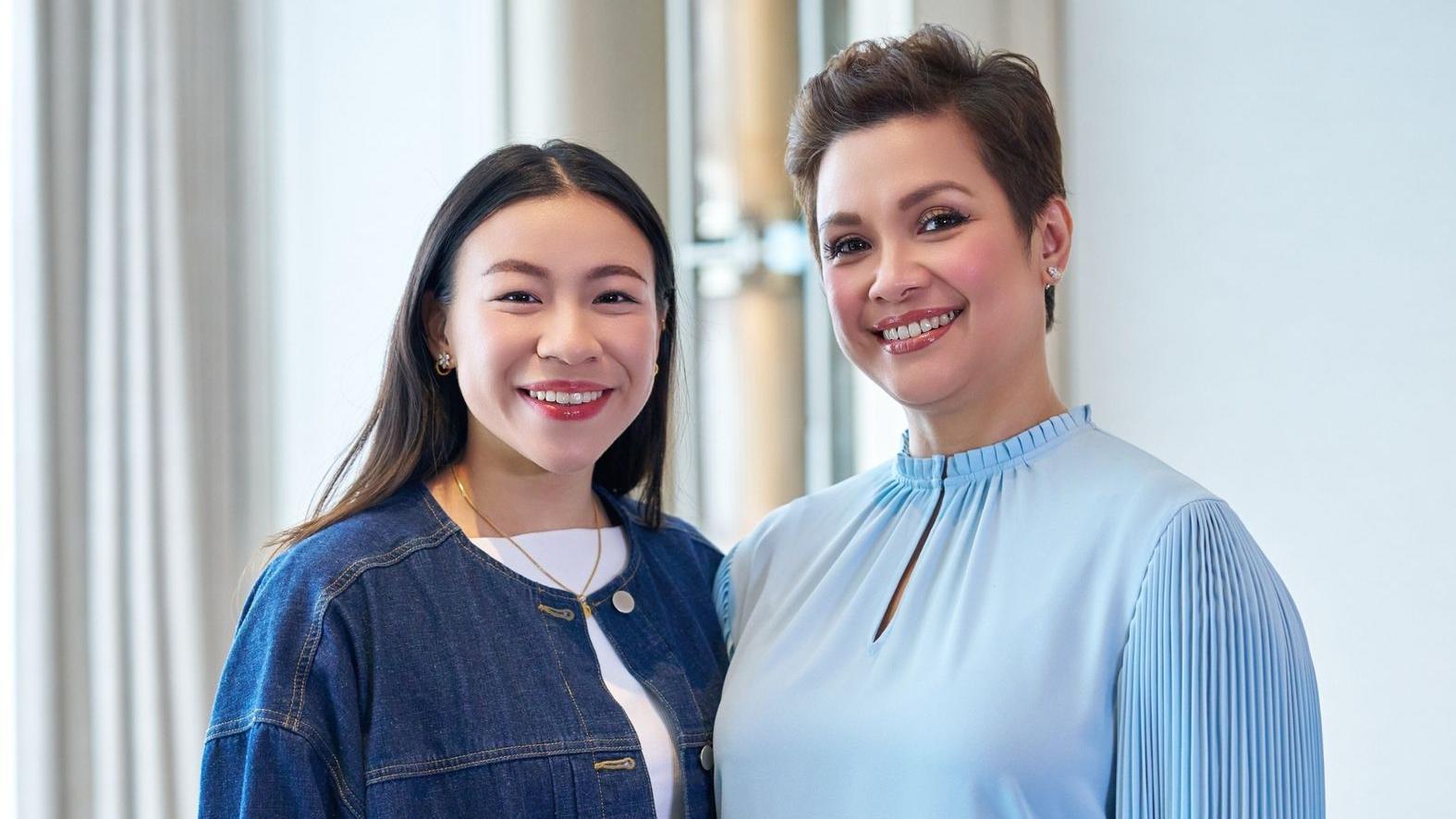
More than 30 years later, that reality is playing out right next to her. In the current Singapore run of Les Misérables The Arena Spectacular, Salonga is performing alongside Nathania Ong, who plays Eponine—the exact role Salonga made possible for other Asian actors to play.
“I get to watch [Nathania] playing Eponine… and as I’m sitting in this dressing room getting ready to do the show, it makes me think that [the experiment worked]. And it’s something I’m very proud to have participated in. And now it’s time for the next generation of actors [to step up]… the ones with strength in their knees,” quips Salonga.
Ong, 28, who also made history as the first Singaporean to play the role on the West End, says she grew up watching performers like Salonga depict Eponine. But for Ong, the stakes for winning the role felt different—she didn’t even realize how big of a deal it was to have gotten the part.
“It took a few months [before I was like]… I’ve made it. I’ve actually done something with this,” she said.

The Evolution of Representation
While she credits Salonga as a “trailblazer for all people of colour,” Ong adds that the fight for meaningful representation still remains an “uphill battle” at times. She highlights how the battle has shifted from fighting just to get in the room, to fighting to be valued for talent alone.
“The thing with going for parts as an East Asian is that sometimes we struggle with the idea of: ‘Have we been hired to meet a diversity quota, or are we actually being hired because we’re good at our jobs?’”
Beyond casting, Salonga sees an even bigger shift happening—Asian artists are no longer just trying to fit into Western stories, but also writing their own. She points to the recent Broadway success of the critically acclaimed South Korean musical Maybe Happy Ending, which was co-written by a South Korean.
“Seeing a show like that…winning so many awards… tells me that if something is just so good that it cannot be ignored, it will be seen,” she said of the show, which won South Korea its first Tony award.
She adds that she could not have imagined a show like this—one that is so “intrinsically” Asian—getting so much steam. “When I was growing up, I didn’t have as many Asian figures in the industry to look up to.”
“I think for a lot of young people to be able to see somebody that looks like them up on that stage… is incredible. I think there was a generation of Asians who wanted to do this but didn’t have that representation upon which they could reflect themselves.”
Salonga also points to successes like K-pop band BTS—as models for Asians to look up to. For her, watching their phenomenal global rise feels deeply familiar. During her own breakout years, she recalls the intense scrutiny that accompanied the pride of representing her home country on the global stage.
“When you head to the West End and you have to be excellent or you will let 75 million people down [the population of the Philippines], that’s a lot to put on your shoulders. The responsibility is heavy,” she said.
“That’s also why I appreciate BTS so much because it’s like, here you go, the weight of all of Asia is now on your shoulders,” she laughed, adding that she recently delayed a vocal warm-up session by 15 minutes just so she could catch a BTS concert livestream.
Salonga also adds that the momentum extends beyond the stage and across all media. She points to an upcoming DreamWorks animated film steeped entirely in Philippine folklore that she is currently working on.
“An animated film that is based on my culture… I’d never thought I’d see something like that in my lifetime,” she said.
And would 18-year-old Lea Salonga be surprised to see all this?
“Incredibly shocked, but I think also inspired to know… [that] there is a space for me,” she said.
“You know, you can push us to the margins – but we’re just going to centre ourselves.”