A queue of British and American tourists, all trying their best to pronounce ‘croissant’ while waiting to enter a packed boulangerie, is a familiar sight in the most bustling parts of Paris. However, for residents—many of whom have lived there themselves—the scene is more of a chuckle than a concern. They simply speedwalk past the crowds, heading to the nearby, less flashy neighborhood for a quiet patisserie without the hassle.
One of the most common criticisms of Paris is that it’s busy, crowded, full of tourists, and expensive. But those who know the city well understand that the Paris experienced by locals is very different from the one seen by international visitors. In this version of the city, a baguette might cost €5, and a picnic typically involves street vendors and limited space. If this were the norm, few locals would stay.
In reality, there are many areas in Paris that are completely free from overtourism. If visitors were to explore these spots instead, they would be in for a pleasant surprise. This change comes as travel to the French capital is set to become even easier with the launch of a new direct train connecting Charles de Gaulle Airport to central station Gare de l’Est.
The train, known as the CDG Express, will begin operations on 28 March 2027, running from 5am to midnight every day. It will take just 20 minutes to reach the 10th arrondissement, making it simpler than ever to dive into exploring the city.
Here’s a rundown of the quietest, most tourist-free spots in one of the most famously overcrowded cities:
9th Arrondissement
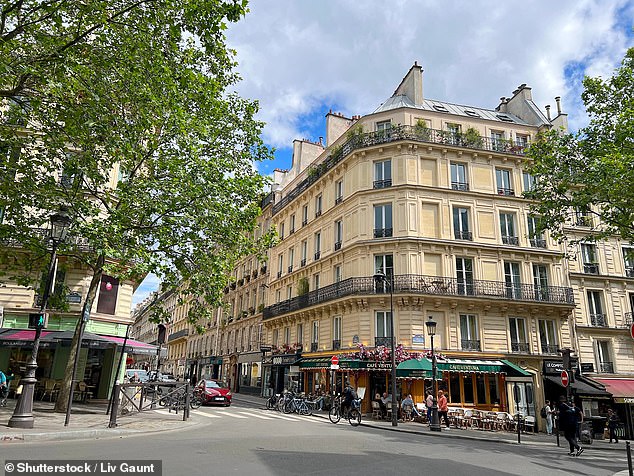
Paris is divided into 20 different areas, known as arrondissements. While many tourist hotspots lie in the center—particularly the 1st to the 8th arrondissements—venturing further out offers the same class, architecture, and style, but without the crowds.
The 9th arrondissement is home to the iconic Palais Garnier and large department stores like Galeries Lafayette. If you head east towards the 10th arrondissement but remain within the borders of the 9th, you’ll find quiet residential neighborhoods such as Poissonniere. Here, bakeries, restaurants, and cafes on Rue du Faubourg Poissonniere are some of the best in the city—and free from international tourists.

Les Buttes-Chaumont
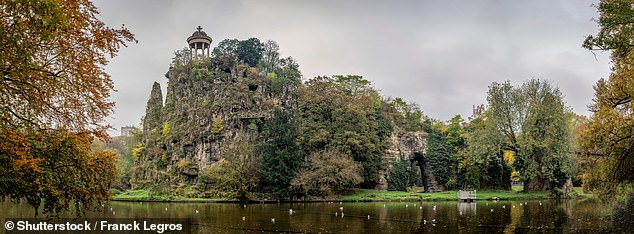
For those seeking greenery, central Paris doesn’t have much to offer. However, a short trip out brings you to the Buttes-Chaumont, a public park in the 19th arrondissement that feels almost Jurassic. Located in a bohemian, humble part of the city, the park features waterfalls, bridges, and scenic views.

One visitor wrote: “This big green space tucked into the 19th is brilliant. Beautiful landscapes, waterways, hills, views, and walks. Locals vibe, thousands of Parisians picnicking, napping, reading, enjoying an espresso. With room for thousands more.”
Avoid the park on Saturday mornings when locals jog around the lake with pushchairs, but otherwise, it’s a great spot to enjoy.
Monceau
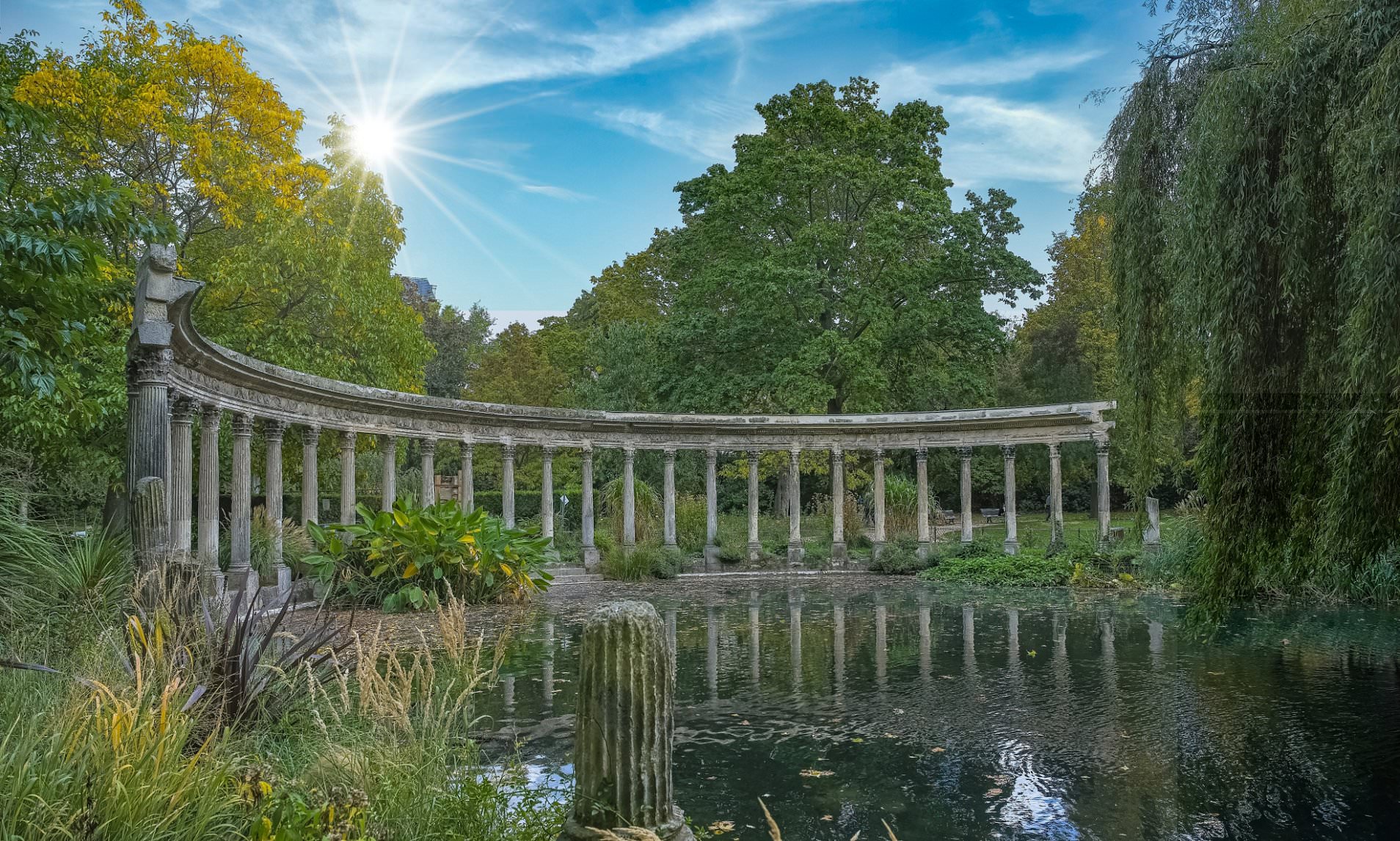
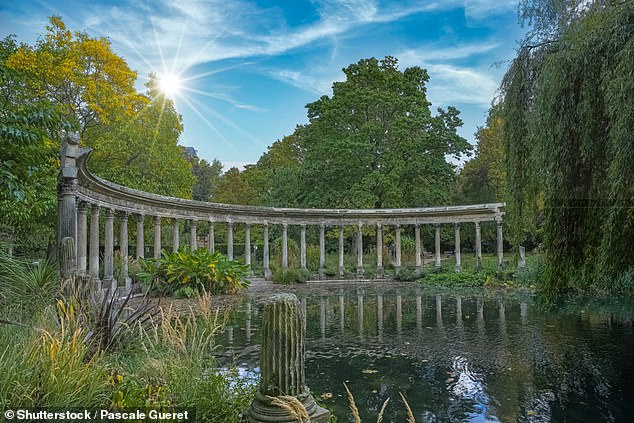
Described by one visitor as “the chicest park in Paris,” Parc Monceau is one of the city’s smaller, lesser-known green spots located in the 17th arrondissement. Romantic and charming, it’s situated in the upmarket neighborhood of Monceau, offering plenty of good-quality bakeries and restaurants nearby.

One tourist wrote: “Little known to tourists. Park located near Av. Champs Elysees but frequented basically by the residents of the city. Clean and well wooded, it is a great option to escape the bustle of the city.”
Another added: “This is one of the great parks of the city. Just full of lovely features, sculpture, water, landscaping. And located in one of the poshest parts of town with lovely townhouses all around.”
Batignolles
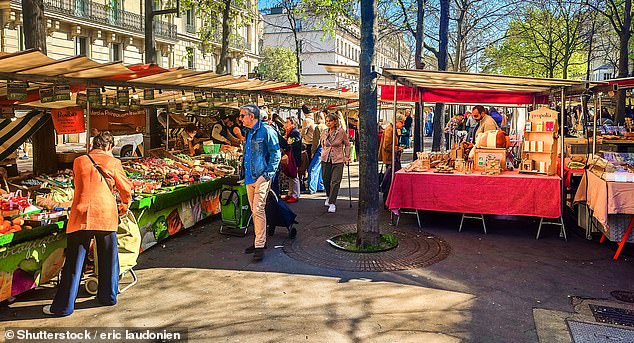
Paris’ 17th arrondissement has a more village-like feel than other parts of the city and is largely free of tourists. Alongside Monceau, Batignolles is worth visiting. Known among locals as a great place to browse independent shops, it also offers many bars and restaurants, as well as an outdoor Saturday market that provides a far less touristic shopping experience than Montmartre.

Canal Saint-Martin
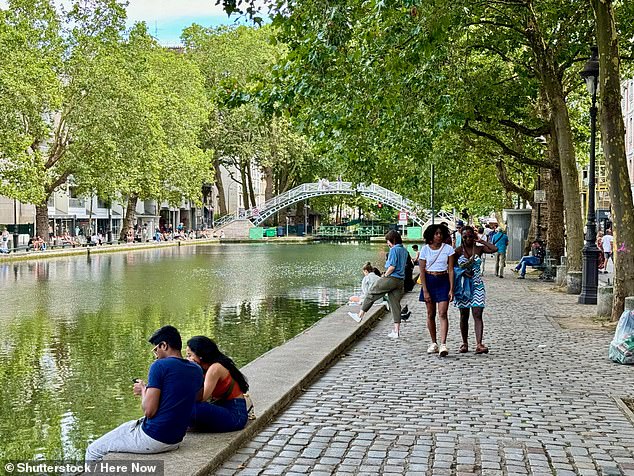
The Canal Saint-Martin is a beautiful waterway lined with romantic cafes and boats—and it’s far more popular among locals than tourists. Stretching 4.6km along a scenic route connecting the Canal de l’Ourcq to the Seine, it’s a great spot for seeing Paris by water or for a running route.

Earlier this year, one visitor wrote: “I never get tired of coming to this neighborhood because it is so charming with the canal and the locks. Along the sides you will find some very good cafes and people love to congregate here in good weather, sit on the banks of the canal and eat and drink.”
Boulogne-Billancourt
Technically not part of Paris, Boulogne-Billancourt is a suburb on the west side of the city. However, it’s just 20 minutes from the center and worth a visit due to its huge parkland, the Bois de Boulogne.
“One of the green lungs of Paris, this huge park is found on the west side of the city, in the middle of very upscale neighbourhoods,” one visitor wrote. “For centuries, the fashionable have loved to promenade here in good weather.” The park includes a racetrack, rose garden, children’s playground, lakes, and an upscale restaurant. At the top of the park, you’ll also find the Fondation Louis Vuitton, a contemporary art museum.
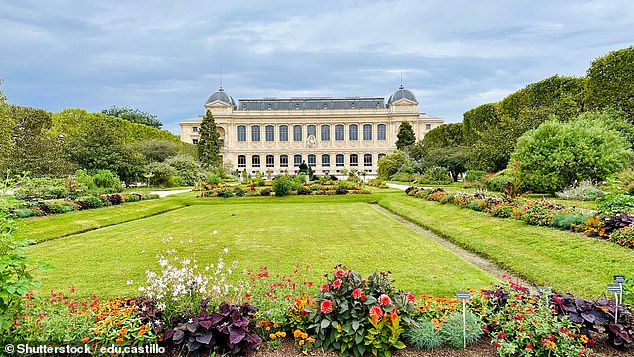
Jardin des Plantes
Paris has no shortage of museums and galleries to explore. But for fans of flora, the Jardin des Plantes is by far the best. As Paris’ oldest botanical garden, it’s often overlooked for glitzier spots and more famous gardens like the Tuileries.
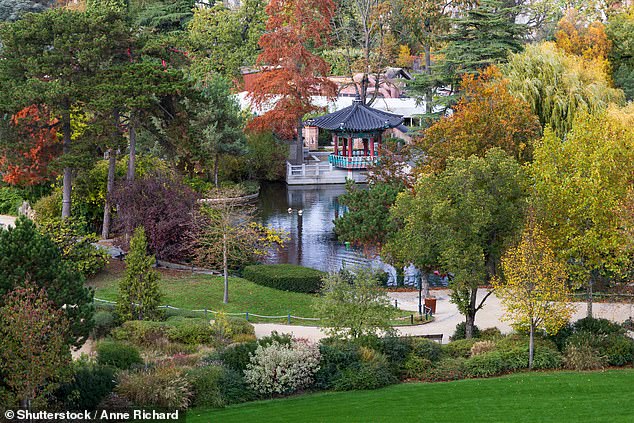
“One of the most delightful spots in Paris if you want to see flowers,” one visitor said. “In late March I was lucky to catch the blooming cherry trees and the profusion of tulips, daffodils, hydrangeas etc that had been planted.”