Seoul Gwanghwamun Plaza, Olympic Park, Seonyudo Park, Yeouido Saetgang Ecological Park, Gyeongchun Line Forest Path, National Museum of Korea, Seoul Arts Center, Yongin Hoam Museum of Art Heewon, Namha South Cape, Jeju Osulloc Tea Museum….
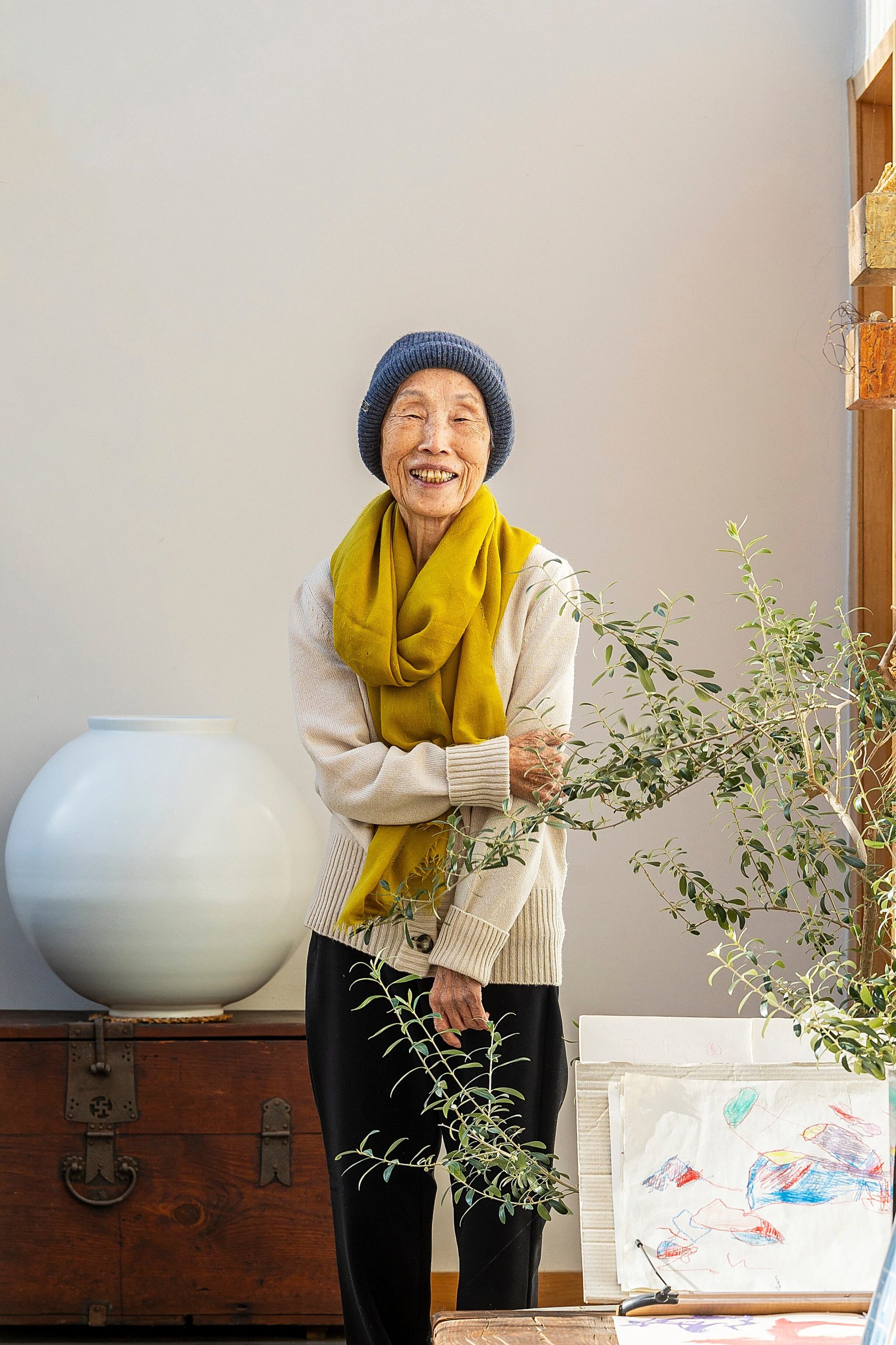
These are beloved landmarks in South Korea. Some pause to catch their breath amid the scenery, while others capture moments with camera shutters. Though each space bears a unique expression, they share one common thread: the touch of landscape architect Jeong Young-sun, 84.
Jeong Young-sun, CEO of SeoAhn Total Landscape and Korea’s first-generation landscape architect, remains active. Her landscape career, which began in 1973 as the first student in Seoul National University’s Graduate School of Environmental Studies’ environmental landscape architecture program, has surpassed half a century. Her journey mirrors the history of Korean landscape architecture. During industrialization, she focused on national infrastructure like national parks, highways, and rural housing development. Later, she dedicated herself to creating nature in daily life, such as parks and gardens. Her contributions have gained renewed attention domestically and internationally in recent years. In 2023, she became the first Korean to receive the Geoffrey Jellicoe Award from the International Federation of Landscape Architects (IFLA), often called the “Nobel Prize of landscape architecture.” The following year, an exhibition on her life and work opened at the National Museum of Modern and Contemporary Art, and a documentary film was released. Last month, she received the Bogwan Order of Cultural Merit, and this month, the Samsung Happiness Award.
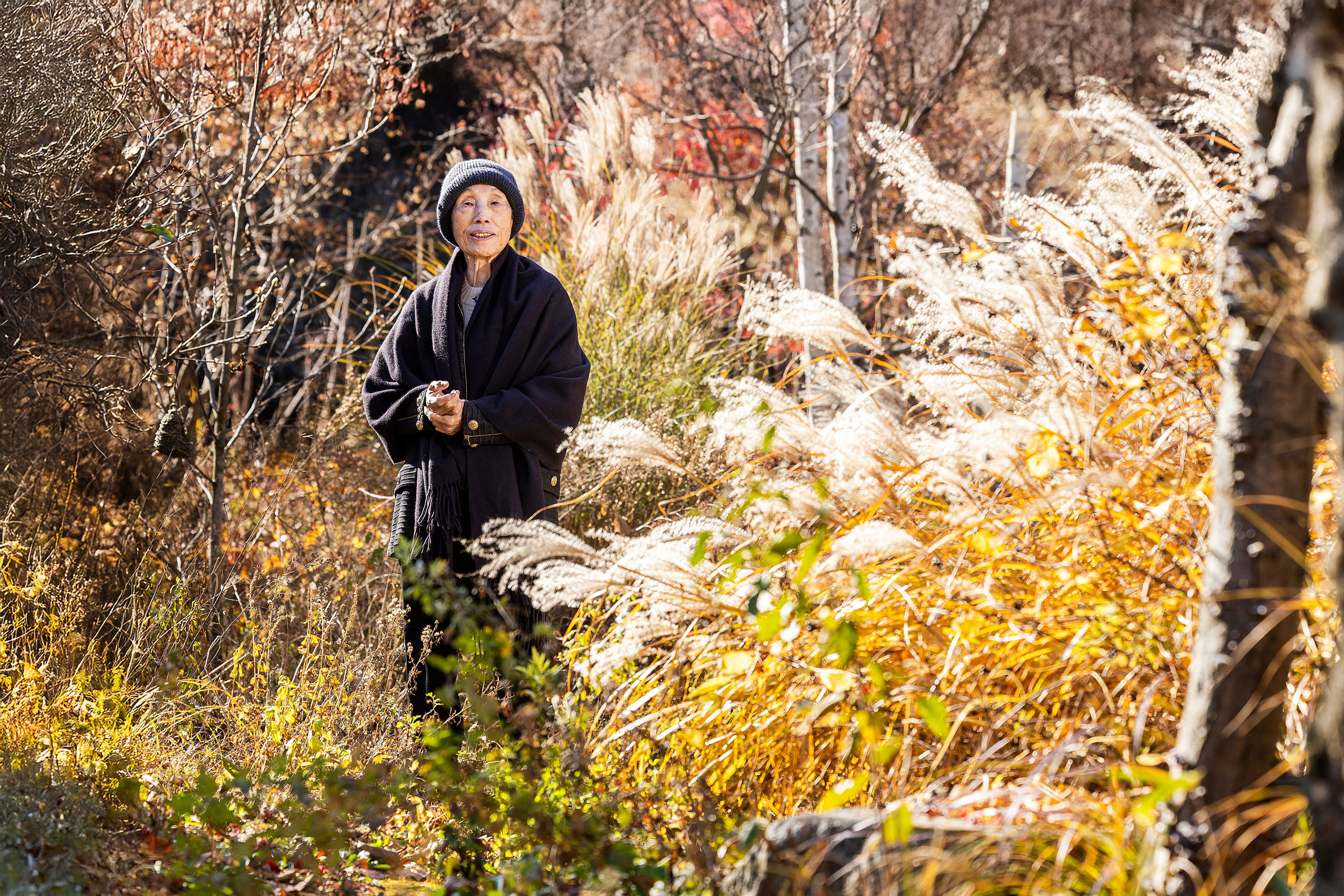
Even at over 80, she carries a shovel and hoe, visiting sites. At her home in Yangpyeong, Gyeonggi Province, her small garden—surrounded by bare branches in the chilly season—shows no neglect. “If I don’t tend to it for a day, it becomes a mess,” she said, stroking plants. “Did you sleep well? Are you cold?” she asked tenderly, bidding farewell to fallen petals: “See you next year.” When told, “Your garden is beautiful,” she waved her hand: “This isn’t a garden—it’s just a grassy field.” Yet, she introduced her plants like children: “That red maple came from Naejangsan. Isn’t it pretty?” The interview lasted about two hours. When discussing plants, she was a girl; when talking about work, a resolute matriarch.

◇A 50-year Landscape Career That Is the History of Korean Landscape Architecture
—You’ve received many awards, including the Geoffrey Jellicoe Award.
“It probably means, ‘Grandma, keep working. You’re not done yet.’ Haha. Some might say, ‘That old lady still has energy—why hasn’t she retired?’ But I believe I still have much to do.”
—What do you think needs to be done?
“More important than creating new spaces: Korea has a unique beauty—scenery from the north to Jeju, a peninsula surrounded by three seas. The Korean landscape itself is a garden made by God. I hope we first recognize this beauty ourselves. It breaks my heart to see the country turn into a place without identity. As a landscape architect, I want to reverse this trend.”
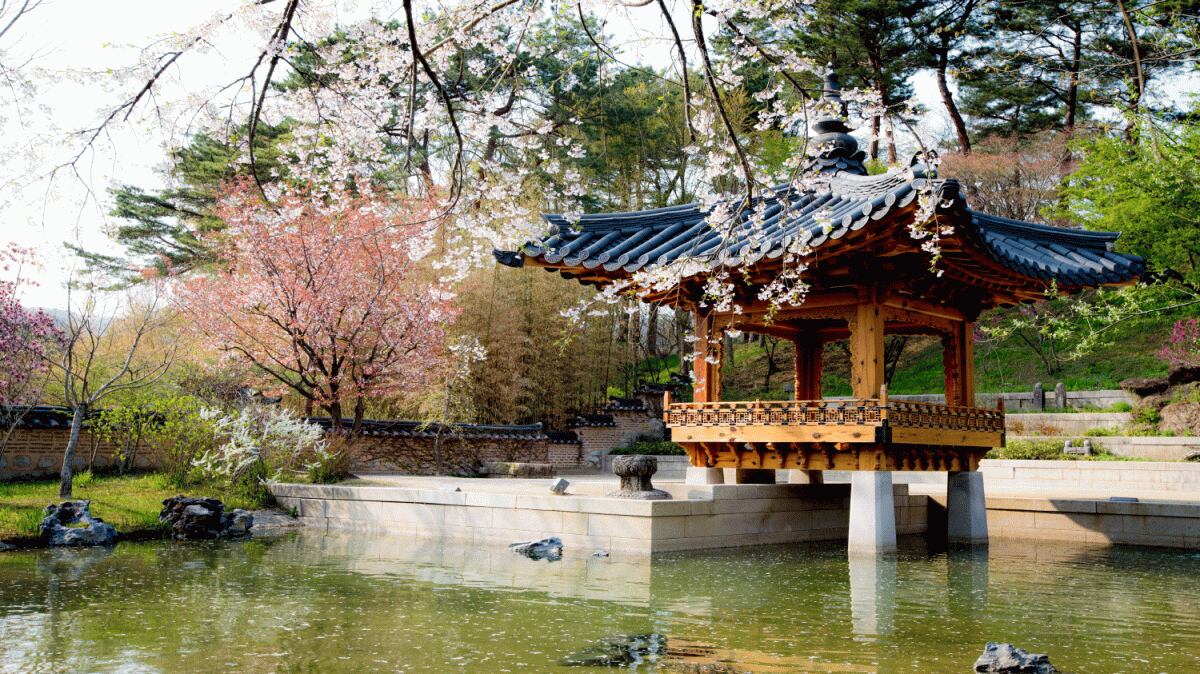
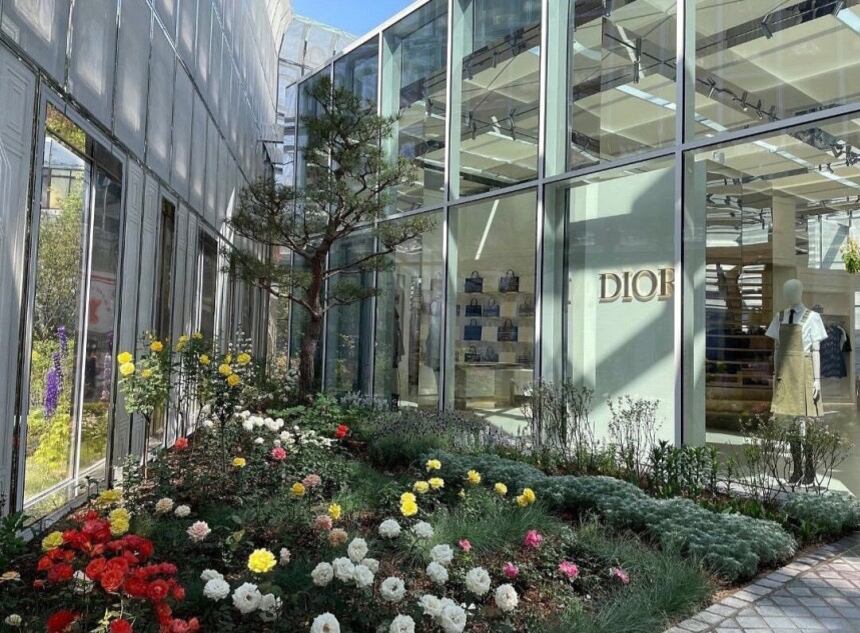
Jeong actively uses native Korean plants in her work. The Hoam Museum of Art Heewon (1998), praised for embodying Korean garden aesthetics, features native trees like Cornus controversa, Styrax japonicus, and Koelreuteria paniculata, along with wildflowers. For the Dior Seongsu Store (2023), she planted horticultural species like roses and lavender—loved by Dior designers—at the front, and native Korean plants like pine trees, peonies, tree peonies, and aquilegia at the back. Yellow miner’s lettuce is her signature flower. “I remember seeing it at my grandfather’s grave as a child. It’s disappearing due to pesticides, so I plant it wherever possible,” she said.
—You once said, “Landscape architecture is not just planting pretty flowers and trees.” What is it?
“My mentor, Emeritus Professor Oh Hwi-young of Hanyang University—who served as a landscape architecture secretary at Cheong Wa Dae—coined the term ‘조경’ (landscape architecture) with President Park Chung-hee, meaning ‘creating scenery.’ It sparked controversy for implying artificial creation. I believe landscape architecture is inherently about protecting, nurturing, and cultivating beautiful nature.”
When asked if creating gardens is akin to being a creator, she called it a “terrible exaggeration.” “Landscape architects are connectors: linking nature and humans, bridging the history shaped by mountains and rivers over time with future landscapes. They connect rural and urban areas, and the interiors and exteriors of buildings. My gardens don’t create something new—they highlight existing beauty. Saying, ‘Let’s clear everything and start over,’ is not landscape architecture.”
—What is most important in landscape architecture?
“Awe for nature and a commitment not to exploit it. Whether a landscape architect, public official, or politician, arbitrarily altering or imposing personal tastes is unacceptable.”

◇The Poem That Saved Saetgang: Kim Su-young’s ‘Grass’
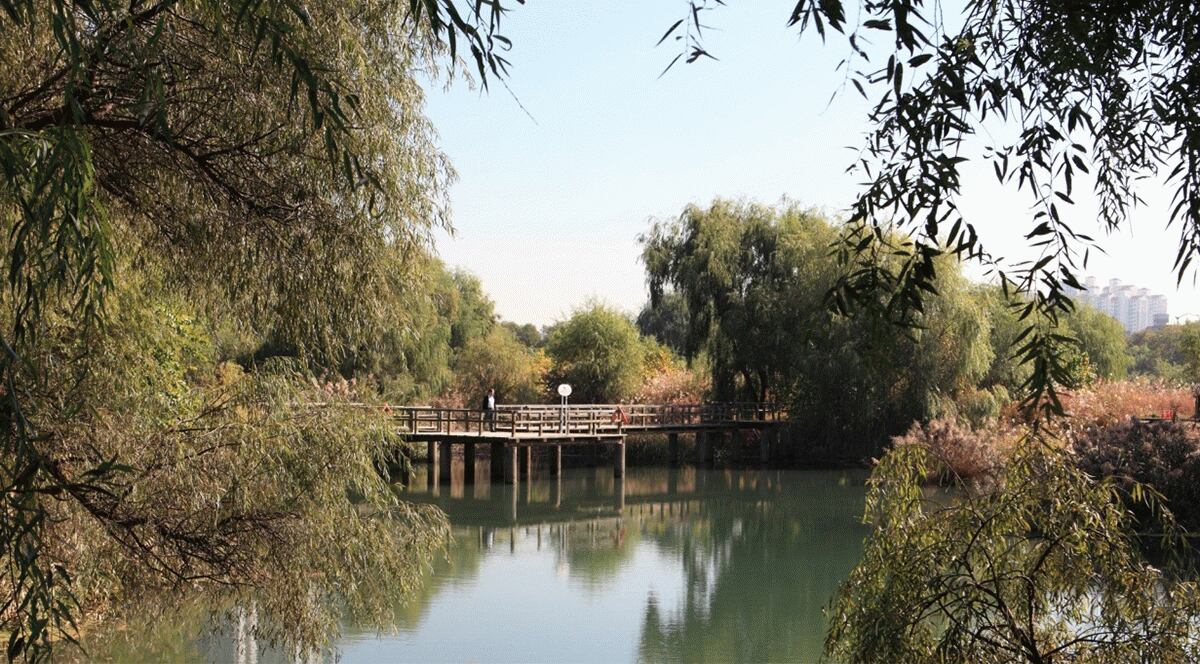
“Grass lies down / swaying in the east wind that brings rain / grass lies down and finally weeps…” When designing Yeouido Saetgang Ecological Park (1997), Jeong recited Kim Su-young’s poem “Grass” to officials planning to fill the area—home to willows and reed grasses—with a soccer field and parking lot.
—Why recite a poem?
“I was furious. As an advisory committee member of the Han River Management Office, I strongly opposed it: ‘This must be preserved.’ Reciting ‘Grass,’ I said, ‘We must think long-term about the land our descendants will inherit.’ The officials relented: ‘Do as you wish, Ms. Jeong.’”
—You were a fighter for Saetgang.
“I volunteered to design it for free. I didn’t take a single Korean won but gathered experts in ecology, birds, and insects. It wasn’t just me—we united for the country.” Endangered species like otters, Korean spadefoot toads, and yellow-throated martins returned.
—You also saved Seonyudo Park.
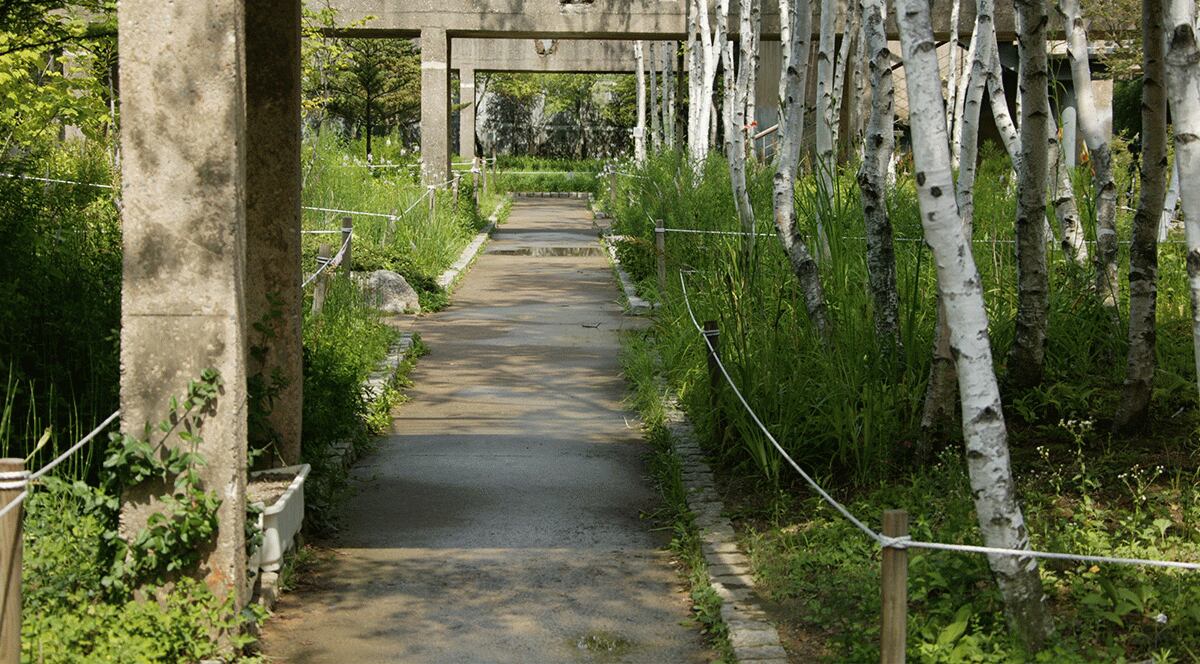
“When the design competition was announced, I visited the site and nearly cried—it was so beautiful. I insisted on preserving the abandoned water purification facilities and blending old and new. I wanted it to be a place where weary souls could rest. I was grateful when a woman told me she came to end her life but left with renewed hope.”
Many find solace in the Seoul Asan Hospital Central Park.
“Hospitals are filled with people needing comfort: patients, families, medical staff, caregivers. Like O. Henry’s ‘The Last Leaf,’ seeing new leaves might give someone the will to live. I wanted a space where people could cry and still find hope. Because I’ve been through it: My husband suffered for years, and no hospital had a place to grieve. Some rooms even overlooked funeral halls. Without that experience, the park would look different.”
—What is your proudest work?
“It’s hard to choose. Every project I poured my heart into is precious—like children. Each has its own beauty. Lying in bed, I imagine, ‘What flower bloomed there today?’ or ‘How did the water flow change?’”
—Your most memorable client?
“Chairman Lee Byung-chul. He trusted me completely. Even amid conflicting opinions, he said, ‘Do as you see fit.’ For the Heewon project, foreign firms offered to take over, but he insisted, ‘Why shouldn’t a Korean landscape architect handle Korea’s serene scenery?’ He was a diligent learner. Employees took heart medicine before meetings, but I spoke freely with him.”
Jeong visits sites day and night—rain or wind—sometimes over a hundred times. Even after completion, she returns: “With so many projects, it takes time, but I’m curious if they’re maintained well.” Like a mother checking on her child, she keeps her heart close to her gardens.
◇Gardens Like Children: Tend and Retend
Jeong’s philosophy is encapsulated in “검이불루 화이불치” (modest yet not shabby, lavish yet not extravagant)—a phrase from Kim Busik’s *Samguk Sagi* describing Baekje palaces.
—Why this phrase?
“It defines Korean beauty. Our ancestors had the wisdom of ‘차경’ (borrowing scenery). Instead of claiming the best view, they built pavilions to observe from a distance. How elegant! Our mountains are my textbooks.”

—Where is Korea’s most beautiful scenery?
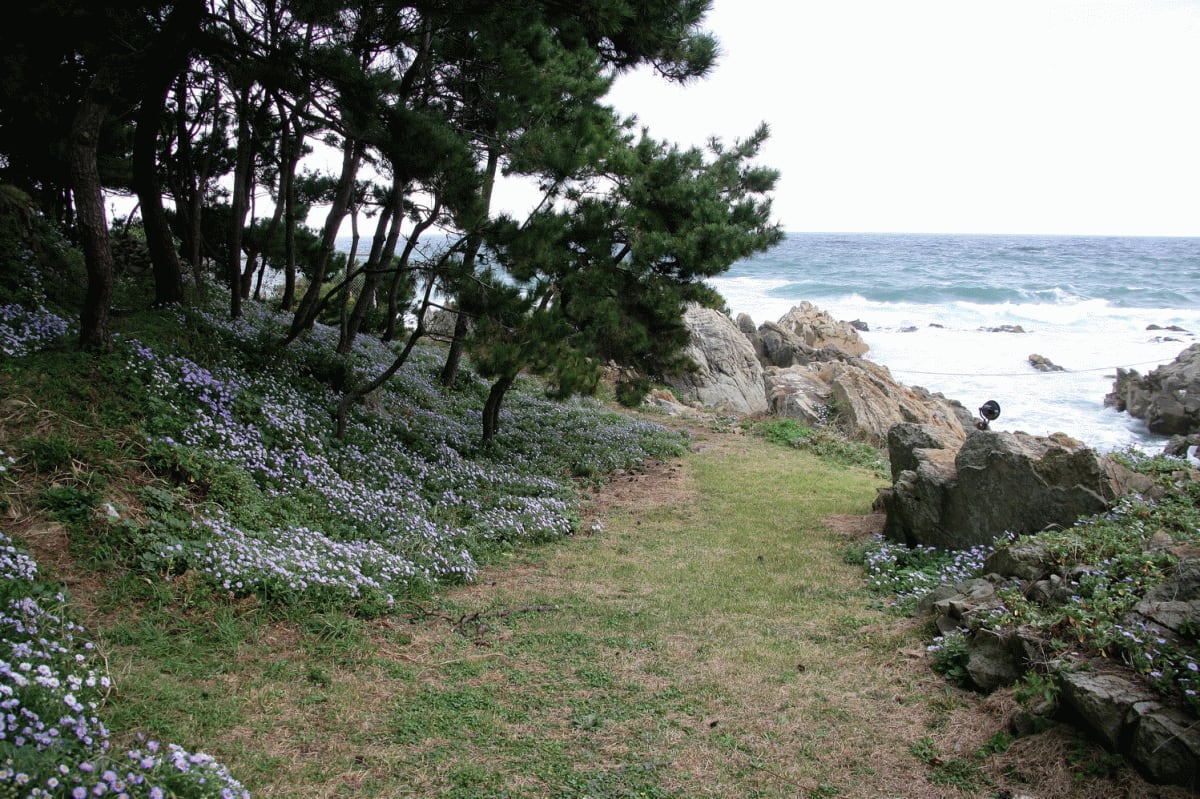
“As a graduate student researching pavilions, I traveled alone with a backpack. Every place is beautiful—picking one would be a lie. Each has its own charm. But overdevelopment pains me. Seeing stairs carved into mountain peaks for tourists… I cry, though I know it’s inevitable.”
—What value do gardens hold?
“Living with nature—water, grass, flowers, trees, insects, birds… all intertwined.”
—You speak to plants. What do you say?
“I’ve talked to them since childhood. ‘Did you sleep well? Are you cold?’ ‘Why do you look sick?’”
—You once said climate crisis causes ‘heart-wrenching pain.’
“If this continues, disaster awaits. My message: Stop reckless development and preserve Korea’s beauty. Let’s stop tormenting nature.”
—50 years as a landscape architect—how does it feel?
“Only 50 years? Haha. My work remains the same—fun, so I keep going.”
Jeong dislikes being called a “master.” “I’m not extraordinary—just diligent. But landscape architecture doesn’t end at completion. My advice to juniors: Don’t leave after saying, ‘My job is done.’ Treat your work as your child—visit, tend, and take responsibility.”

◇Inspiration from My Father’s Garden and Poetry
Jeong’s first garden was her father’s (essayist Jeong Seong-pyo). A teacher at Daegu’s Gyeseong High School, he raised goats and grew flowers in the school housing courtyard. “He planted flowers even when we went hungry. I still see him watering hostas. I helped from childhood—watching flowers bloom was wondrous.” The poet Park Mok-wol, a friend of her father’s, admired her literary talent. She debuted in a literary contest while studying agriculture at Seoul National University.
—Why become a landscape architect instead of a poet?
“Everyone expected me to be a poet, but I wanted to live with plants. Why write poetry on paper? I’ve lived writing it on the land. When the term ‘landscape architecture’ didn’t exist, I chose agriculture to pursue it. But university focused on scientific farming and productivity. So I became a journalist for *Housewife Life*, writing about housing and gardens. When I heard Seoul National University would launch a landscape architecture program, I quit and enrolled.”
Jeong still finds inspiration in poetry. Her notes for Pohang Byeolseseowon Garden include: “Why did I think of Na Hee-dok’s ‘Yeo’ (from the poem ‘Yeo, the Word’) while standing on this cliff, watching waves? The poem’s imagery and changing scenery over eons haunted me during design.”
—What poem do you carry now?
“Yun Dong-ju’s ‘Self-Portrait’: ‘Until the day I die, I hope to look up at the sky without shame, agonizing even over the wind in the leaves.’”
A 1981 Chosun Ilbo article called her “Professor Jeong Young-sun, Korea’s First Female National Land Development Technician: ‘I Move Mountains and Streams.’” After becoming the first female national land development technician, she said, “This petite woman accomplishes immense tasks.”
—Was being a pioneer challenging?
“I was Cheongju University’s first female professor. Initially, the atmosphere was awkward—everyone stared at the ‘tiny woman.’ But I focused on work: Students and I built model parks, cemeteries, natural learning centers, dams, and tourist complexes in Chungcheongbuk.”

—What do you want to do?
“I want to organize garden-making and flower-planting groups for children. My grandchild, who started hoeing, planting, and watering flowers as a toddler, excels. Children must learn nature early, but schools ignore it. Without nature, people become strange. If needed for education, I’ll devote myself.”
—What is a happy life?
“Whether I die with a hoe in a field or not, I hope to enjoy my work until the end.”
When shown comments from her film—“Your energetic movements are adorable,” “Korea’s true grandmother beyond landscape architecture,” “Her love for life drives her work”—she smiled: “I’m grateful. If young people love this land as I do, I have no regrets.”
In a 2022 dialogue with Seoul National University Professor Seong Jong-sang, she said: “I see gardens as tributes to the land we temporarily borrow. Landscape architecture can be a poem written on earth, resonating deeply. Just as rainbows make hearts race, may our gardens inspire and heal.”