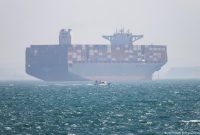
Rising Tensions in the Strait of Hormuz
The situation in the Strait of Hormuz has escalated, with heightened tensions between Iran and the United States. The region is witnessing a series of military actions, including missile and drone attacks by Iranian forces on the UAE. These incidents have led to increased anxiety among regional powers and global markets.

U.S. Military Involvement and Claims
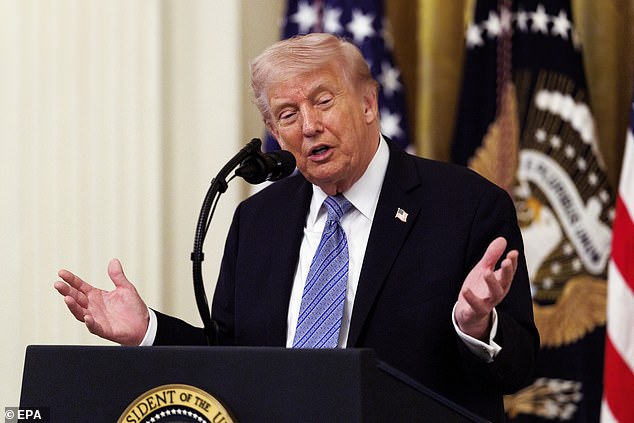
In response to the escalating conflict, the United States has taken a more active role in ensuring the safe passage of ships through the Strait of Hormuz. President Donald Trump announced “Project Freedom,” aiming to guide vessels through the waterway under U.S. protection. This initiative has drawn mixed reactions from various stakeholders.
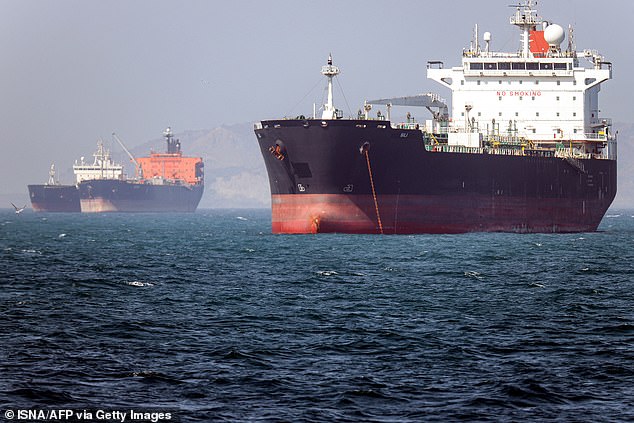
The U.S. claims that it successfully escorted two ships through the Strait, but Iran has vehemently denied these assertions. The Islamic Republic insists that its blockade remains intact and that it maintains full control over the area. This conflicting narrative highlights the complexity of the situation.
Impact on Oil Prices and Shipping
The recent attacks have had a direct impact on oil prices, which have risen to £85 per barrel. This increase reflects the uncertainty surrounding the security of the Strait and the potential for further disruptions. Shipping companies are closely monitoring the situation, with some expressing concerns about the lack of clarity regarding the U.S. plan’s implementation.
German shipping company Hapag-Lloyd has stated that its risk assessments remain unchanged, and the Strait remains closed for transits until further notice. This indicates a cautious approach from the private sector, as they weigh the risks associated with operating in such volatile conditions.
Diplomatic Efforts and Negotiations
Iran has also been engaging in diplomatic efforts, pushing for the U.S. to delay talks on its nuclear ambitions in exchange for opening the waterway. This move could be seen as a strategic attempt to gain leverage over the U.S. However, President Trump has signaled his intention to reject this proposal.
The Iranian regime has issued a 14-point response to the U.S., indicating a willingness to negotiate but also showcasing their confidence in the current situation. The intelligence unit of the Islamic Revolutionary Guard Corps (IRGC) has warned that the room for U.S. decision-making is narrowing, suggesting that the U.S. may face difficult choices in the coming days.
Military Posturing and Threats
President Trump has made strong statements regarding the potential consequences of any attacks on U.S. vessels. He has vowed to “blow Iran off the face of the Earth” if it targets American ships involved in Project Freedom. This rhetoric underscores the high stakes involved and the potential for further escalation.
The U.S. military has also claimed to have sunk six Iranian small boats near the Strait of Hormuz. Admiral Brad Cooper, Commander of U.S. Central Command, noted that Iran usually deploys between 20 and 40 small boats when harassing vessels, but today only six were encountered, which were quickly eliminated.
Ongoing Conflicts and Regional Implications
The ongoing conflicts in the region have significant implications for international relations and global trade. The Strait of Hormuz is a critical waterway for global oil shipments, and any disruption can have far-reaching effects. As both sides continue to postulate their positions, the situation remains highly volatile.
In summary, the current events in the Strait of Hormuz reflect a complex interplay of military, economic, and diplomatic factors. The actions of both the U.S. and Iran will continue to shape the future of this vital waterway and the broader Middle East region.