Addressing the Midwifery Shortage in Nigeria
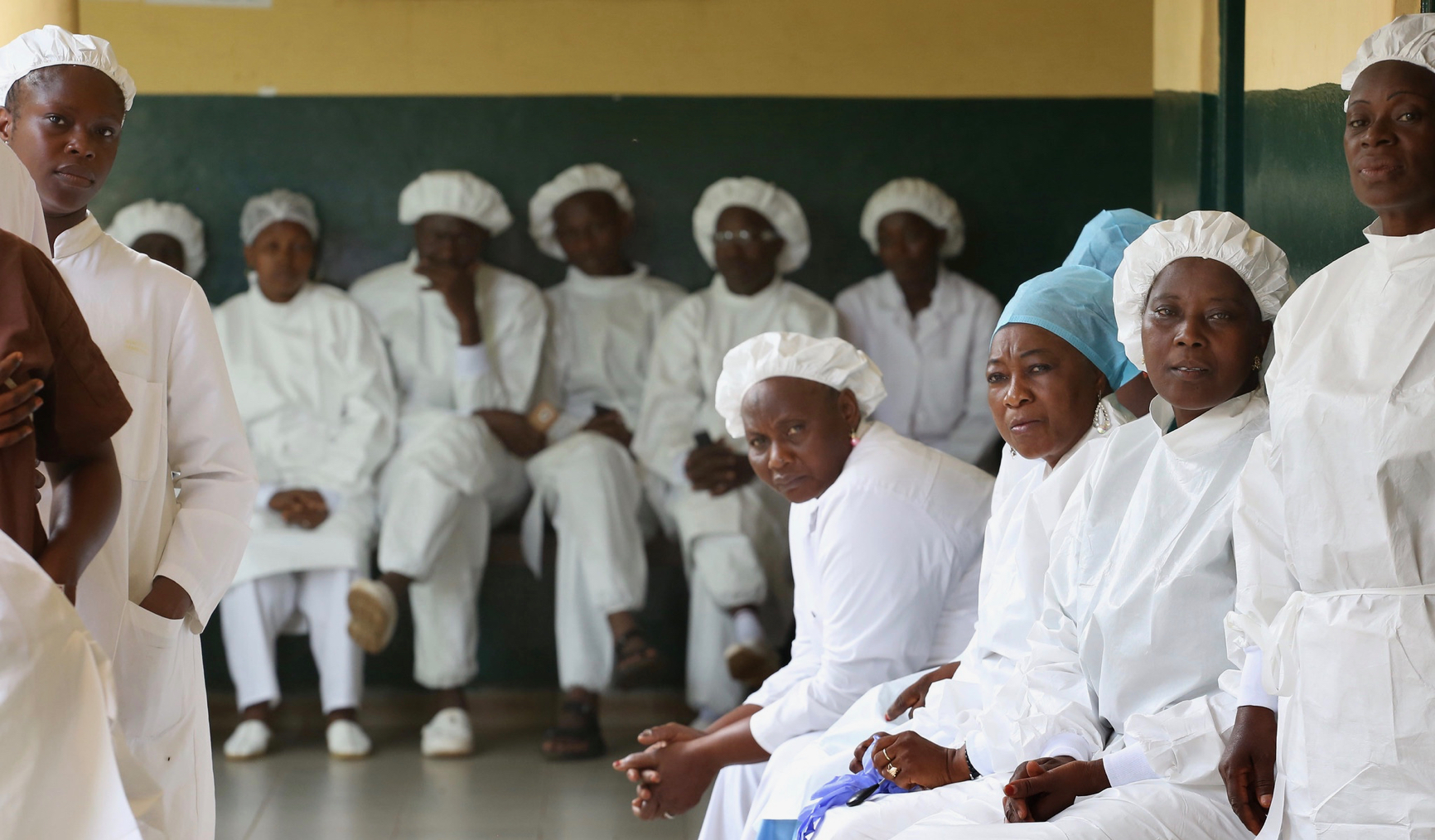
Experts have emphasized the need for more men to join the midwifery profession as a strategic approach to tackle the growing shortage of skilled birth attendants in Nigeria. They argue that the field must become more inclusive to meet the rising demand for maternal and newborn care services.
Historically, cultural perceptions have restricted midwifery to women, which has limited the available workforce despite the increasing need for maternal and newborn care. By opening the profession to more qualified men, the pool of professionals can be expanded, leading to improved service delivery and reducing the burden on female midwives who are often overworked.
Nigeria is currently experiencing a mass exodus of medical practitioners, including midwives. Reports indicate that over 7,500 nurses and midwives left the country in five years. In 2023, the National Association of Nigerian Nurses and Midwives highlighted the need for about 70,000 midwives to close the gap caused by this emigration. Additionally, data from the UK NMC shows that no fewer than 14,815 Nigerian-trained nurses and midwives have been licensed to practice in the United Kingdom between 2017 and September 2024.
In 2025, Dr. Iziaq Salako, the Minister of State for Health and Social Welfare, cited data from the Nursing and Midwifery Council of Nigeria, stating that only about 154,000 midwives are currently registered in the country. Speaking exclusively to PUNCH Healthwise, experts urged policymakers and training institutions to promote gender inclusivity in midwifery education and practice.
The International Day of the Midwife, commemorated yearly on May 5, celebrates the critical role midwives play in safeguarding the health of mothers and newborns. The 2026 celebration is themed ‘One Million More Midwives,’ focusing on addressing the global shortage of nearly one million midwives.
Oluwayomi Ale, Deputy Director, Nursing Services, Federal Ministry of Health and Social Welfare, stressed that tackling midwives’ workforce shortages requires practical solutions that prioritize competence over gender. She noted that broader participation of females and males in the profession could strengthen maternal healthcare outcomes in Nigeria, where maternal and neonatal mortality rates remain a significant concern.
Ale explained that while midwifery has traditionally been viewed as a female-only profession, it is time for more male participation to build workforce shortages. She stated:
“Encouraging men to join the midwifery profession is not only a practical solution but also a step toward inclusivity and equality in healthcare. Opening the profession to men can significantly increase the number of skilled midwives available to serve communities. It also challenges long-standing cultural norms that limit career choices based on gender. With proper training, awareness, and community engagement, male midwives can play a vital role in improving healthcare delivery.”
According to the World Health Organisation, increasing access to skilled midwifery care could prevent over 60 per cent of maternal and newborn deaths globally, amounting to about 4.3 million lives saved annually by 2035. WHO stated that universal access to skilled midwives represents a proven, cost-effective solution to addressing infant and maternal mortality.
Dr. Anshu Banerjee, WHO Director for Maternal, Newborn, Child and Adolescent Health and Ageing, emphasized that expanding and investing in midwifery models of care is one of the most effective strategies to improve maternal and newborn health globally.
Ale further stressed that midwives are at the heart of maternal and reproductive healthcare. Encouraging both men and women to pursue careers in this critical field would help Nigeria improve her maternal and infant indices. She added:
“Globally, it is estimated that midwives can provide up to 90 percent of essential maternal and newborn health services. This makes them indispensable to achieving Universal Health Coverage and the Sustainable Development Goals.”
Despite their importance, Nigeria continues to face serious gaps in its midwifery workforce. One of the most pressing challenges is the shortage of midwives, particularly in rural and underserved areas where they are needed most. While urban centers may have relatively better access to skilled birth attendants, many communities in remote regions are left without adequate care.
The problem is further compounded by the uneven distribution of healthcare workers, with many trained midwives reluctant to work in rural areas due to poor infrastructure, insecurity, and lack of incentives. Additionally, the country continues to experience a brain drain, as skilled midwives migrate abroad in search of better opportunities.
Ale listed poor working conditions, limited professional support, and inadequate remuneration as factors contributing to low morale among midwives, affecting both retention and service delivery. She urged the government at all levels to increase investment in education and training to produce more qualified midwives. Improving working conditions and remuneration will help retain skilled professionals, while targeted incentives can encourage deployment to underserved areas.
“Midwives are more than healthcare providers; they are lifesavers, advocates, and pillars of the health system. Investing in midwifery is investing in the future of families, communities, and the nation,” she said.
Morakinyo Rilwan, President, National Association of Nigerian Nurses and Midwives-Federal Health Institutions Sector, decried the low percentage of males in the profession, particularly regional disparity. He noted that males are more prevalent in the North, while in the South-West and South-East, it is predominantly female. In the South-East, it is almost 95% female.
Rilwan suggested that making midwifery a specialty that is well-funded would spur more people, including males and females, into the practice. He stated:
“Midwifery should be made a speciality. They should make it a speciality instead of leaving it as a basic, the way it is currently. They should make it a speciality like other specialities in nursing, and it should be well funded so that people will go there, because midwifery now is not like a speciality; people are running away to other specialities that are marketable. If they make it a speciality and it is funded, a lot of people, both males and females, will actually go into midwifery as a standard.”