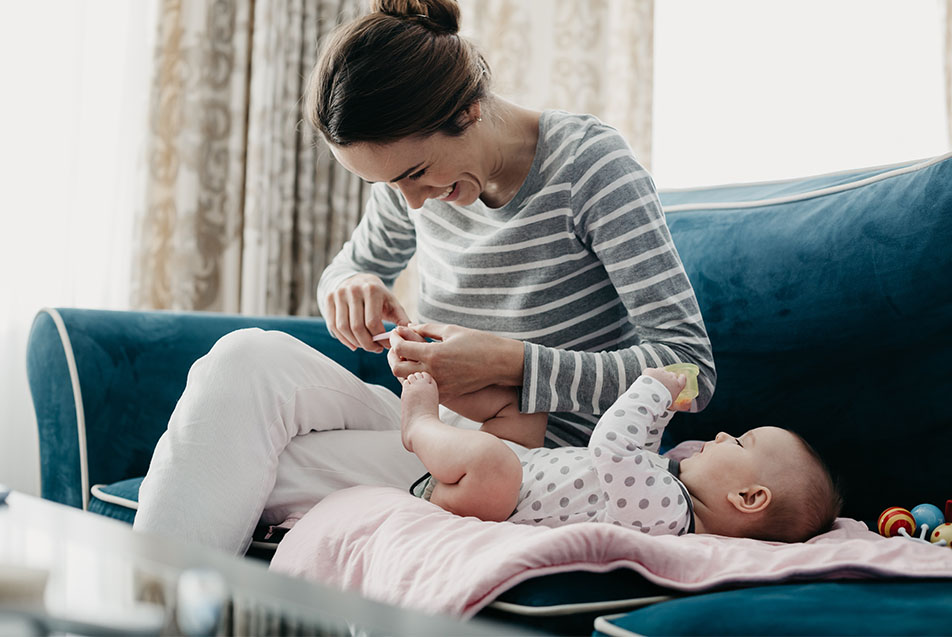
The Dangers of Biting Babies’ Fingernails
Paediatricians have issued strong warnings against the practice of biting or using teeth to trim babies’ fingernails. This method is considered unhygienic and poses significant risks to infants, including infections and injuries. Experts emphasize that the mouth contains various bacteria and viruses, which can be transmitted to a baby through small cuts around the fingers, leading to nail infections like paronychia.
The human mouth is home to numerous microorganisms, some of which are harmless in the mouth but can cause infections when transferred to another person or part of the body. Viruses such as herpes simplex and bacteria present in the mouth can be transmitted to an infant, whose immune system is still developing. This makes them more vulnerable to viral, bacterial, and fungal infections, especially from minor exposure to germs.
Common Practices and Their Risks
In some cultures, particularly among Nigerian mothers, biting babies’ fingernails or applying breast milk to make them “fall off naturally” is a common traditional practice. However, child health experts warn that this could lead to injuries, infections, inflammation, and bleeding around the baby’s nails. They advise mothers to use nail clippers or trimmers designed for infants and to prioritize hygiene and safety during the process.
Babies have low immunity, making them more susceptible to infections even from minor exposure to germs. Unhygienic practices such as biting their nails or contact with unclean surfaces can increase the risk of infections. A paediatrician at the Federal Teaching Hospital, Katsina, Dr Abdurrazzaq Alege, warned against using teeth to trim babies’ fingernails, describing it as unhygienic and harmful to both mother and child.
Health Risks for Both Mother and Child
Alege explained that the act exposes babies to infections and possible injuries, which could also endanger the health of the mother. He noted that babies often put their fingers in their mouths, which could worsen the situation if the fingers had already been infected during nail trimming. This can lead to a cascade of infections, causing inflammation, bleeding, or pain for the baby.
Mothers also risk contracting infections from their babies if the infants’ nails are dirty or harbour germs. This can result in dental problems, including gum inflammation and teeth misalignment. Alege warned that constant grinding of the teeth against the nail can affect the gum and may cause swelling of the finger, not necessarily from infection but from repeated friction.
Debunking Myths About Breast Milk
The child health expert also dismissed the belief that applying breast milk to a baby’s fingernails makes them fall off naturally, calling it a myth. He stated that there is nothing in breast milk that can dissolve a baby’s nail. While soaking a finger in water for a long time may soften the nail, this does not mean that breast milk caused the nail to fall off. Instead, he warned that breast milk exposed outside the body becomes a culture medium for microorganisms, which can lead to infections if transferred to the mouth.
Safer Alternatives for Nail Trimming
Advising on safer alternatives, Alege recommended using baby nail clippers or trimmers specifically designed for infants, which have rounded edges to prevent cuts. He suggested trimming a baby’s nails when the child is asleep, as they are less likely to move. Parents should ensure adequate lighting and do the task gently.
He cautioned against the use of razor blades, stressing that they pose a high risk of injuring the baby’s skin. Whether manual or electric, the key is to use a tool suitable for infants, ensuring it is safe and hygienic.
Additional Advice from Another Paediatrician
Another paediatrician, Dr Tolulope Asare, echoed similar concerns, stating that the habit, though common among some mothers, is neither safe nor hygienic and poses major health risks to babies. He emphasized that the mother’s mouth contains many bacteria, which can enter tiny cuts around the baby’s fingers and cause infections such as paronychia.
Asare added that if a mother carries the herpes simplex virus, she could unknowingly transmit it to the baby through saliva while biting her nails. He also warned that the practice increases the risk of physical injury, as a mother may accidentally bite the baby’s delicate skin, causing pain, bleeding, or wounds.
Proper Techniques for Nail Trimming
Asare advised mothers to use baby nail clippers or nail files designed specifically for infants instead of their teeth. He recommended trimming the nails when the baby is calm or asleep, preferably after a bath when the nails are soft. He stressed that biting a baby’s nails is unsafe and that parents should always use proper baby nail care tools and maintain good hygiene when trimming.
He outlined specific techniques for trimming babies’ nails safely: wash your hands, ensure the tools are clean, hold the baby’s hand firmly but gently, press the fingertip pad slightly down and away from the nail to avoid nicking the skin, trim straight across following the natural curve of the nail, avoid cutting too close, leave a little white edge, and smooth rough edges with a nail file if needed. For toenails, trim straight across (not curved) to prevent ingrown nails.
In case of an accidental cut, Asare advised pressing the area gently with a clean cloth or gauze until bleeding stops, avoiding alcohol or antiseptics, and cleaning with mild soap and water instead. For mothers who are anxious about trimming, he recommended using an electric baby nail trimmer, which he described as a gentler and safer alternative.

Related posts:

Fiction park: He was the best in class. He still wasn’t good enough

Gagan Thapa takes oath as Congress president, vows to regain public trust

Inside knowledge that has locals gripped by fear after gran’s body found decomposing in cattle dip

New property purchase disclosure rule in Japan sparks fears it may curb foreign investment

Dino-mite treasures: inside Singapore’s Fort Knox storing playthings of ultra-rich