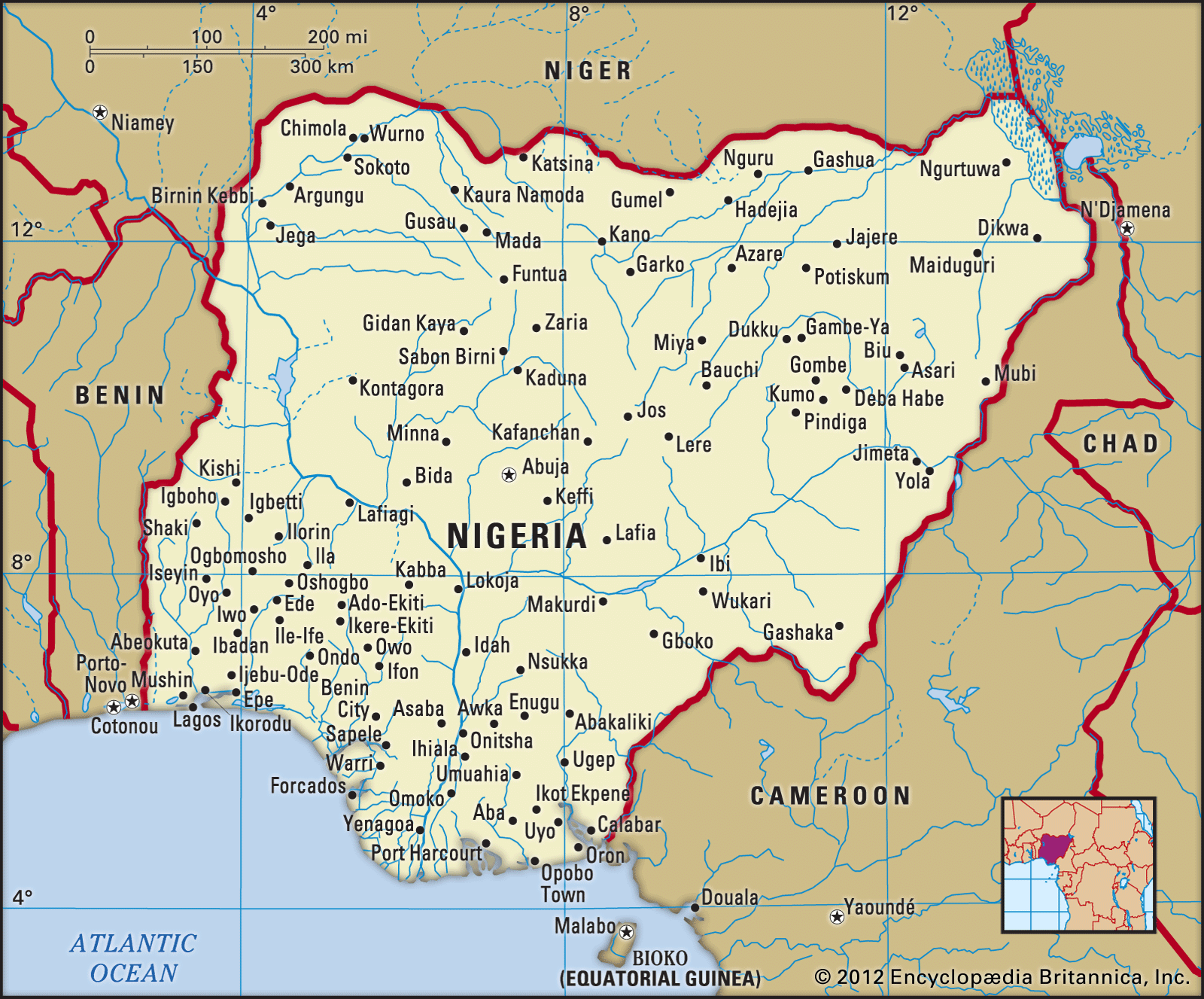
The Impact of the U.S. Designation on Nigeria
The United States has recently reclassified Nigeria as a Country of Particular Concern (CPC) due to alleged severe violations of religious freedom, particularly against Christians. This decision by President Donald Trump has raised significant concerns about the potential diplomatic, economic, and socio-political consequences for Nigeria.
Understanding the CPC Designation
The designation stems from the International Religious Freedom Act of 1998, which allows the U.S. government to label countries that have engaged in or tolerated particularly severe violations of religious freedom. According to Trump, this move is a response to the ongoing violence against Christians in Nigeria, where radical Islamists are accused of perpetrating mass killings.
Trump emphasized that the U.S. cannot remain silent while Christians are being killed, stating, “Christianity is facing an existential threat in Nigeria.” He urged immediate action and instructed two congressmen to investigate the matter further.
The Nigerian Government’s Response
In response to the designation, the Federal Government of Nigeria maintained its stance that there were no mass killings of Christians in the country. However, it reaffirmed its commitment to tackling violent extremism and ensuring the safety of all citizens, regardless of their religion.
A statement from the Ministry of Foreign Affairs highlighted Nigeria’s dedication to defending all citizens and engaging with the U.S. government to deepen mutual understanding on security issues. The government also expressed its intention to continue addressing concerns related to religious freedom.
Expert Reactions and Implications
The redesignation has sparked intense debate among international policy experts and diplomats, who warn of serious economic, diplomatic, and political fallout for Nigeria. They suggest that Nigerians traveling abroad may face increased scrutiny, especially from the U.S. and its allies.
Experts like Ambassador Usman Sarki, a former Deputy Permanent Representative of Nigeria to the United Nations, argue that the CPC designation could strain relations between Nigeria and the U.S. He highlights the potential for sanctions, a damaged international image, and complications in counter-terrorism and trade cooperation.
Sarki stresses the importance of a measured and conciliatory approach to address the concerns raised by the U.S. He warns that a knee-jerk reaction could exacerbate the situation and deepen the rift between the two nations.
He also suggests that the U.S. may use its leverage under the International Religious Freedom Act to pressure Nigeria into taking action if it does not address the perceived trend of persecution of Christians. This could lead to potential sanctions and affect U.S. security assistance, development aid, trade, and visa privileges for Nigerian officials.
Geopolitical Considerations
Dr. Abdul-Gafar Tobi Oshodi, a political science professor at Lagos State University, notes that the redesignation creates a gap between the U.S. and Nigeria. He suggests that Nigeria may seek closer ties with other global actors like China and Europe during the remainder of Trump’s term. This shift could benefit China’s soft power in Africa.
Oshodi also raises questions about the implications for visa applications and whether the U.S. might offer asylum to affected Nigerians, similar to the case of White South Africans. He emphasizes that foreign policy can be dynamic, and the current designation could present opportunities for diplomatic engagement.
Conclusion
The U.S. designation of Nigeria as a CPC has far-reaching implications. It underscores the complex interplay between religious freedom, diplomacy, and international relations. For Nigeria, it serves as a call to action to address the persistent insurgency and violence across the country. It also highlights the need for transparent and credible steps to ensure the safety of all citizens and maintain a positive international image.
As the situation evolves, both nations will need to navigate these challenges carefully to foster mutual understanding and cooperation. The outcome of this designation could shape the future of Nigeria-U.S. relations and influence broader geopolitical dynamics in the region.

Related posts:

Fiction park: He was the best in class. He still wasn’t good enough

Gagan Thapa takes oath as Congress president, vows to regain public trust

Inside knowledge that has locals gripped by fear after gran’s body found decomposing in cattle dip

New property purchase disclosure rule in Japan sparks fears it may curb foreign investment

Dino-mite treasures: inside Singapore’s Fort Knox storing playthings of ultra-rich