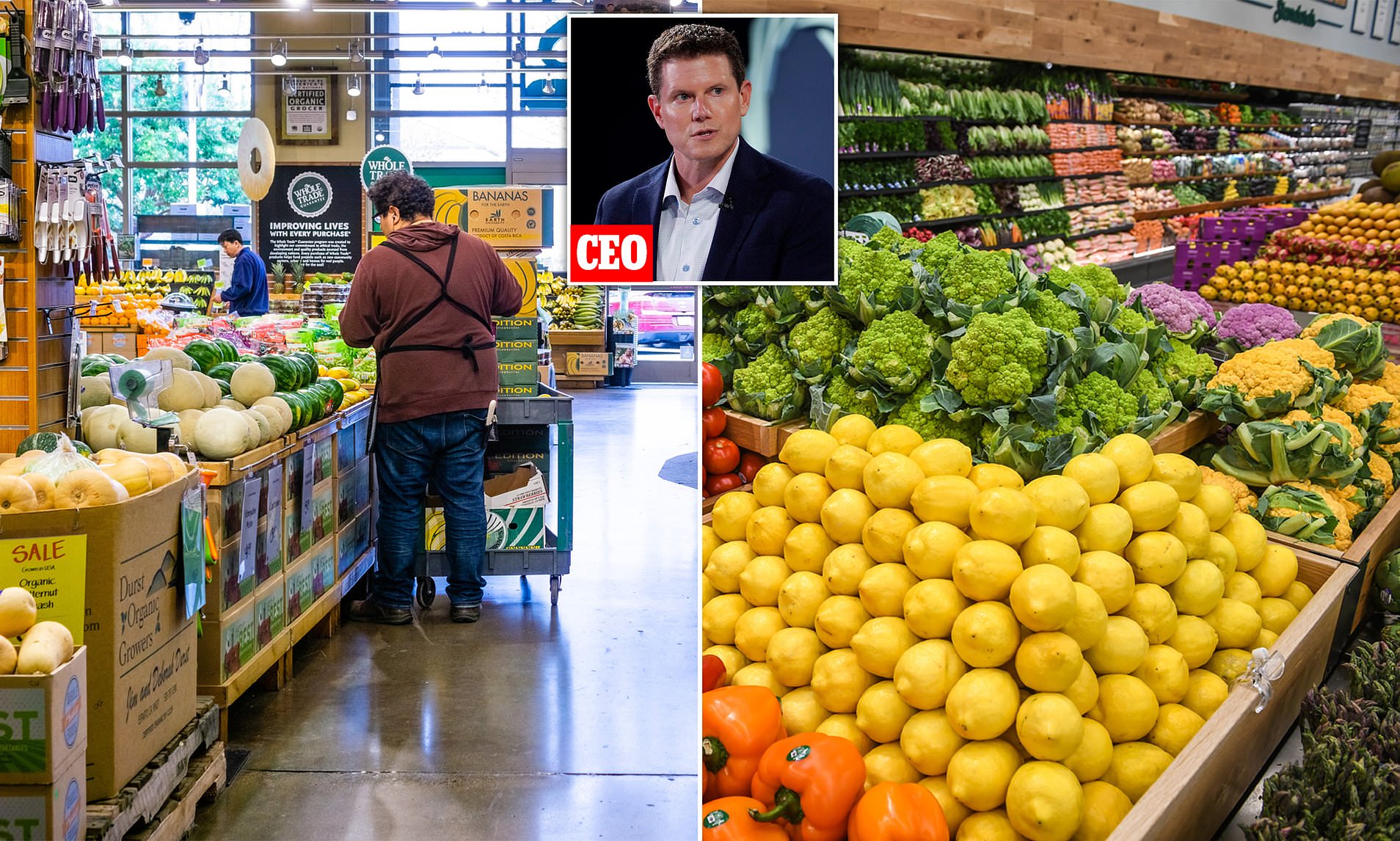
The Evolution of Whole Foods Under Amazon’s Ownership
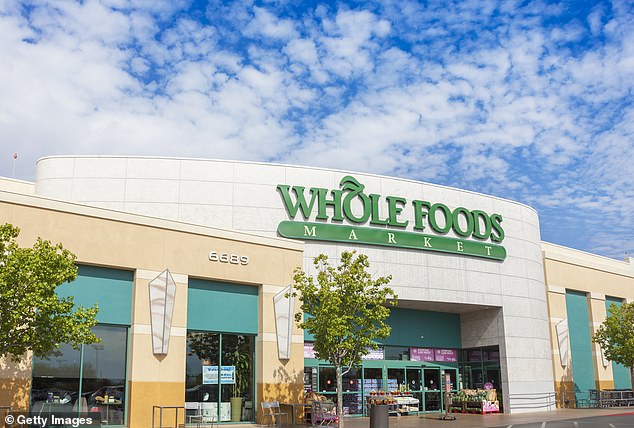
Whole Foods has long been recognized for its commitment to organic produce and its environmentally conscious customer base. However, the company’s journey took a significant turn in 2017 when it was acquired by Amazon. This acquisition raised concerns among loyal customers and employees, who feared that the retail giant would dilute the store’s unique culture and values.
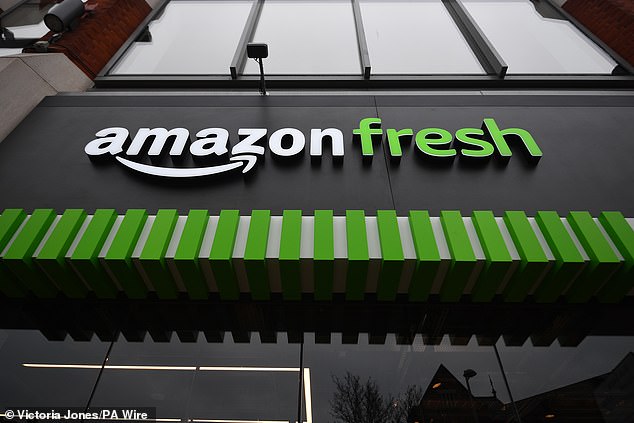
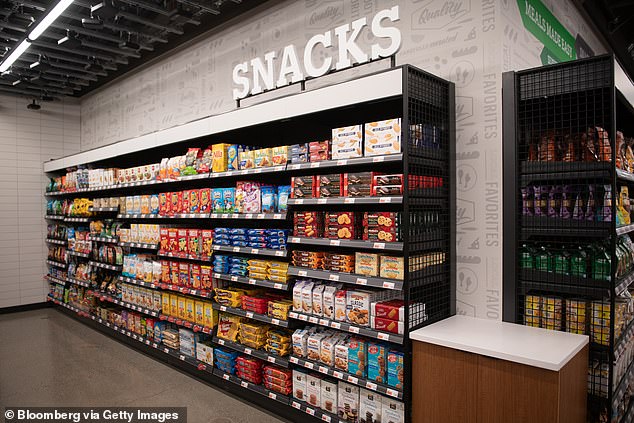
Eight years later, these fears seem to be materializing as some claim that the “Amazonification” of the chain has begun. In major U.S. cities, Whole Foods stores are experimenting with new concepts that include selling Amazon Grocery products such as Pepsi and Doritos alongside their signature organic vegetables and prepared foods.
At a Pennsylvania location, customers can now use the Amazon app within the store to request name-brand items from robots working in the back room. This innovative approach is part of Amazon’s broader strategy to expand its grocery business, which currently holds less than 4 percent of the market share, according to Numerator, a market-research firm. In contrast, Walmart dominates with 21 percent of the market.
Expanding Reach and Customer Experience
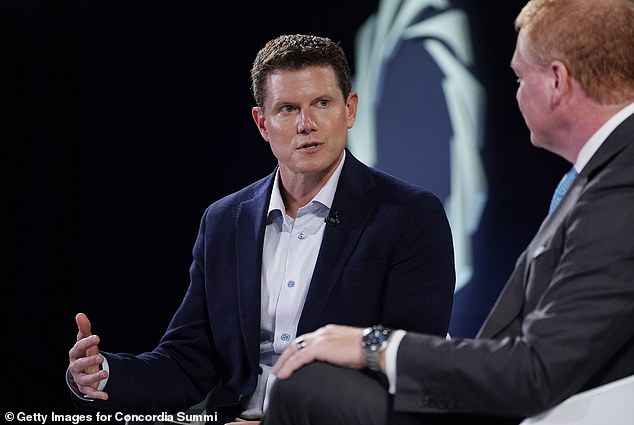
Amazon aims to increase its reach and encourage customers to add more items to their shopping baskets. While the corporate identity of Whole Foods was initially maintained after the sale, recent changes suggest a shift in direction. According to The Wall Street Journal, corporate staff, though not store employees, will soon be moved onto Amazon’s payroll. A round of layoffs also occurred late last month, with CEO Jason Buechel attributing the cuts to Amazon’s efforts to consolidate its grocery operations.
“These changes are necessary to simplify the way we run the business across our grocery brands and allow us to invest more in delivering the best customer experience,” Buechel wrote in an internal memo.
Despite these changes, Whole Foods reports that sales have grown by over 40 percent since Amazon took over, averaging around 5 percent annually. However, this growth is significantly lower than the double-digit increases seen in the early 2010s. In 2023, the chain opened eight stores, while competitor Sprouts Farmers Market opened 30.
New Store Layouts and Experiments
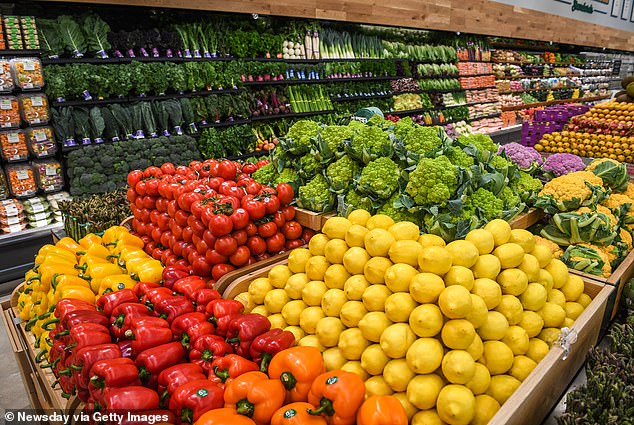
The integration of Amazon’s services into Whole Foods is evident in new store layouts. In suburban Philadelphia, a store is experimenting with a new layout where shoppers can open the Amazon app and request items from so-called ‘ShopBots’ in the back room. These robots are designed to procure items beyond Whole Foods’ usual organic offerings, providing soda or chips ready for pickup in minutes.
In Chicago, the city’s flagship location now features a 3,800-square-foot Amazon Grocery storefront located below the store. Here, shoppers can find everyday essentials not typically available at a Whole Foods store. However, the company has not announced whether it plans to roll out these experiments more widely.
Brand Concerns and Employee Reactions
While Whole Foods maintains that it will continue to iterate on concepts allowing customers to shop for organic products and everyday essentials, some workers and suppliers are concerned about the potential damage to the brand. John Foraker, CEO of Once Upon a Farm, which sells organic baby food and snack bars at Whole Foods, expressed caution: “If they were asking me, I’d say, ‘Be super, super careful.’”
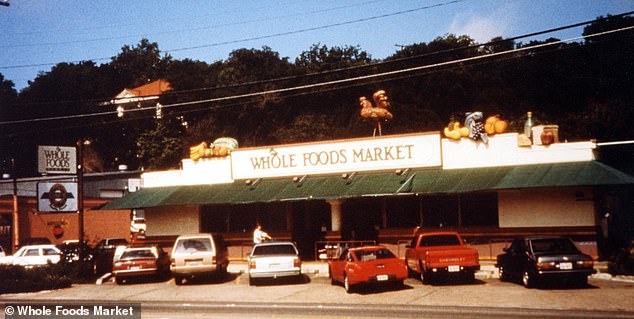
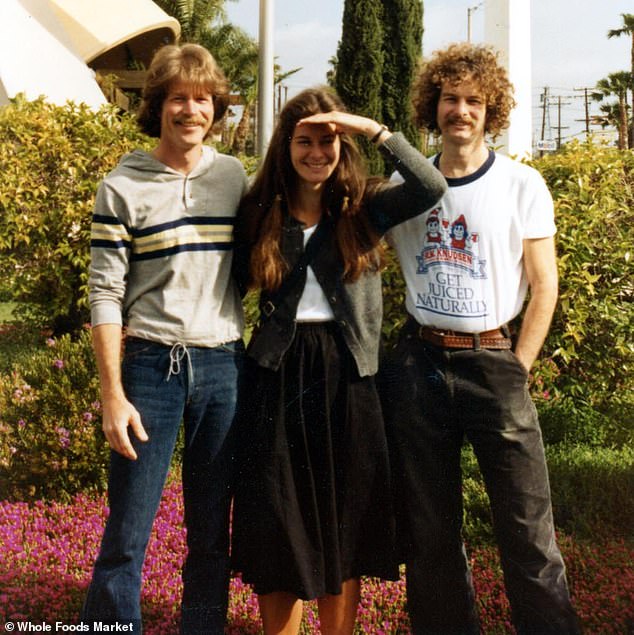
Whole Foods was established in 1980 in Austin, Texas, by co-founder and longtime CEO John Mackey. Mackey, who retired in 2022, said the company felt pressured to sell to Amazon due to an activist investor threatening to take over the board. “We didn’t want to sell to Amazon. It’s just that Amazon was the best solution to a problem we had,” he stated.
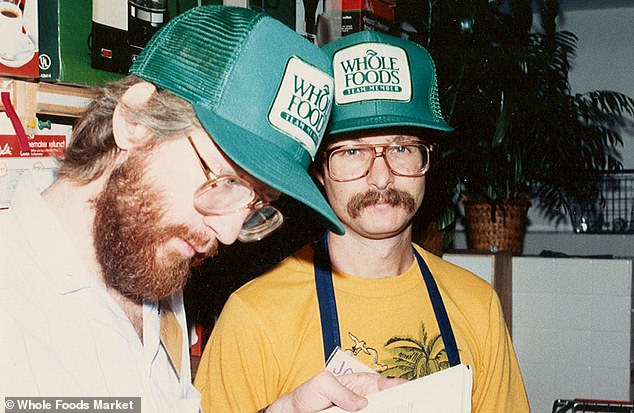
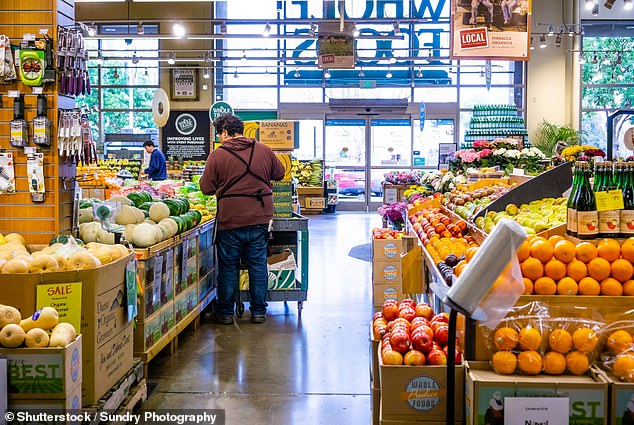
Since the sale, Whole Foods has implemented various changes, including laying off graphic artists who gave each location a unique aesthetic, offering discounts to Prime members, and requiring corporate workers to come into the office five days a week. When corporate workers join the Amazon payroll, they will no longer receive bonuses based on Whole Foods’ performance; instead, they will receive Amazon stock. They will also lose their 20 percent in-store discount after a year.
Ben Lovett, who works at a Philadelphia location and is spearheading a unionization push, noted, “It’s become numbers-based. Amazon has immense turnover. It seems to be part of their business strategy.” Whole Foods claims that turnover across the company is lower than it has been in years.
When asked about complaints regarding declining quality, Mackey did not mince his words: “It’s not my problem any longer. I married my daughter off to the richest man in the world.”
Neil Saunders, managing director of GlobalData Retail, added, “The chain was poor value, had mediocre service… and was rated badly in areas like the taste of products.” Despite these challenges, he acknowledged that Amazon has not completely ruined Whole Foods, though there is room for improvement.


