President Bola Tinubu Addresses International Concerns and Domestic Challenges
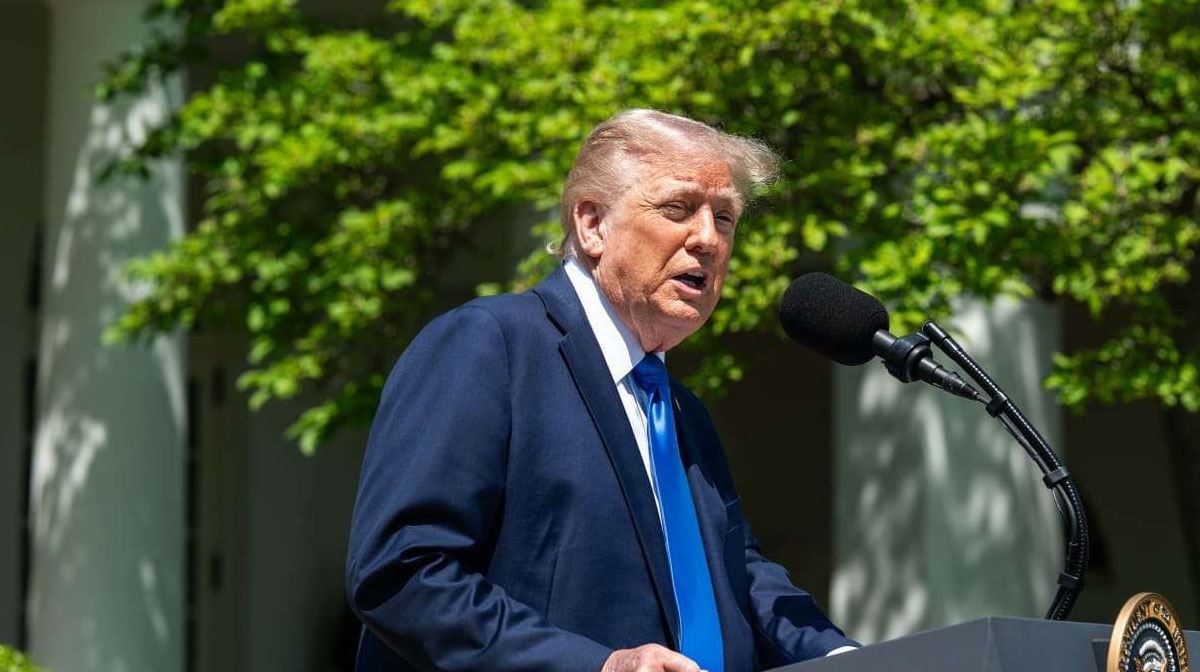
President Bola Tinubu has emphasized the importance of diplomatic engagement with the global community, following remarks by U.S. President Donald Trump regarding potential military action against terror groups in Nigeria. This comes amid a broader discussion on religious freedom, security, and international relations involving multiple stakeholders.
During a recent meeting at the Federal Executive Council, Tinubu reassured Nigerians that his administration is committed to defeating terrorism and securing the country. He highlighted the nation’s economic growth trajectory and the positive outcomes of ongoing reforms. The government is also working closely with international partners to address concerns and maintain stability.
Tinubu’s comments follow Trump’s designation of Nigeria as a “Country of Particular Concern,” which led to calls for stricter measures, including potential sanctions against Nigerian officials. However, the Nigerian government has maintained a calm stance, emphasizing its commitment to responding responsibly and strategically.
The Minister of Information and National Orientation, Mohammed Idris, reiterated that the Federal Government is not panicking over these threats. He confirmed that formal diplomatic channels have been opened with the U.S., and the government is focused on resolving issues through dialogue rather than escalating rhetoric.
Reactions from Northern Groups and Religious Leaders
In response to Trump’s statements, several U.S. lawmakers and rights groups have called for stronger actions, including the elimination of Sharia law in parts of northern Nigeria. However, the Northern Elders Forum and other local groups have strongly opposed these moves, describing them as an attack on Islam. They argue that Sharia law is deeply rooted in the cultural and religious identity of the northern states.
NEF Spokesperson, Prof Abubakar Jiddere, dismissed the threat of sanctions as “empty threats” and criticized Trump’s approach as arrogant. He suggested that there may be underlying motives, such as concerns over Nigeria’s growing business ties with China.
Similarly, the National Coordinator of the Coalition of Northern Groups, Jamilu Aliyu Charanchi, warned that any attempt to weaken Sharia law would face significant backlash from religious scholars and the public. He emphasized that Sharia is not just a legal system but an integral part of the identity of the northern states.
Islamic clerics from the South-West zone have also urged the U.S. and international bodies to respect Nigeria’s sovereignty. In a communiqué, they called for an end to external interference that could undermine internal peace efforts. They emphasized the need for dialogue and understanding rather than hasty generalizations.
Civil Society and Advocacy Groups Respond
Civil society organizations have also voiced their concerns about the potential impact of Trump’s threats on Nigeria’s economy and stability. They argue that the security challenges in the country affect all citizens, regardless of religion, and are driven by terrorism and poor governance.
The Nigeria Evangelical Fellowship has called on the Federal Government to take decisive action against terrorists and ensure religious freedom. They stressed the need to address the root causes of insecurity, such as poverty and unemployment.
Meanwhile, former World Bank adviser Dr Mahmoud Alfa has raised concerns about Nigeria’s foreign policy strategy, urging the country to adopt a more informed and innovative approach to global negotiations. He proposed the establishment of a Political Economy Coordinating Unit to align economic, foreign, and security policies effectively.
International Support and Regional Collaboration
China has reaffirmed its support for Nigeria in its fight against terrorism and in maintaining internal stability. The Chinese Ambassador to Nigeria, Yu Dunhai, emphasized the importance of respecting Nigeria’s sovereignty and opposing foreign interference in domestic affairs.
Regional collaboration is also gaining momentum. Islamic scholars, traditional rulers, and ECOWAS leaders have come together to discuss non-violent strategies for countering terrorism in West Africa. The conference highlighted the need for reform in Islamic education and community resilience to prevent youth radicalization.
Ongoing Security Reforms and Military Commitments
The Federal Government has initiated a nationwide overhaul of police training colleges and security institutions to restore professionalism and capacity within the security sector. Governor Peter Mbah, Chairman of the National Economic Council, emphasized the urgent need for transformation to secure the country’s future.
The Chief of the Air Staff, Air Marshal Sunday Aneke, has pledged to prioritize operational efficiency while ensuring the safety of civilians during military operations. Similarly, the Chief of Army Staff, Lt. Gen. Waidi Shaibu, has committed to improving troop welfare and ensuring justice within the ranks.
DSS directors from the North-West have met to devise strategies against banditry and kidnapping, highlighting the importance of intelligence-led collaboration and community-based approaches to curb insecurity.
Conclusion
As Nigeria navigates complex domestic and international challenges, the government remains focused on maintaining stability, promoting dialogue, and strengthening security. With continued efforts to address the root causes of insecurity and foster regional cooperation, the nation aims to build a prosperous, inclusive, and resilient future.

Related posts:

Fiction park: He was the best in class. He still wasn’t good enough

Gagan Thapa takes oath as Congress president, vows to regain public trust

Inside knowledge that has locals gripped by fear after gran’s body found decomposing in cattle dip

New property purchase disclosure rule in Japan sparks fears it may curb foreign investment

Dino-mite treasures: inside Singapore’s Fort Knox storing playthings of ultra-rich