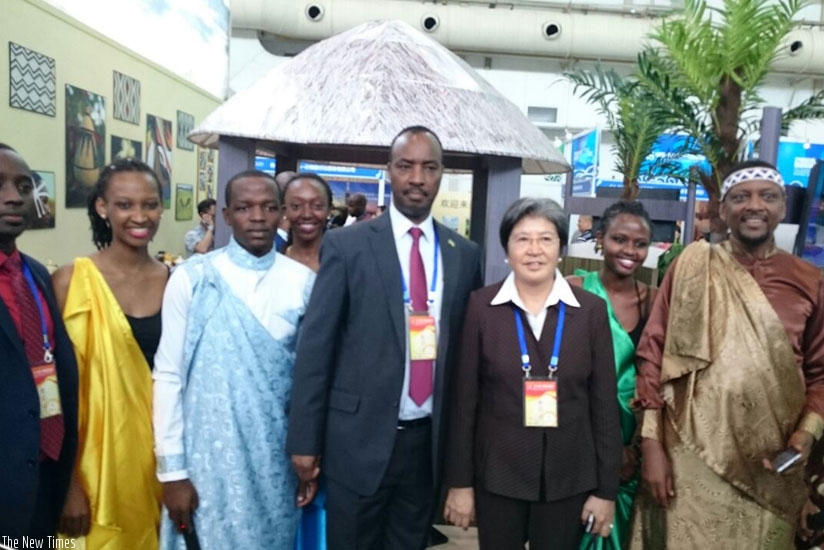
Rwanda’s Growing Presence at the China International Import Expo
Rwanda’s participation in the 8th China International Import Expo (CIIE) has marked a significant milestone for the country’s economic ambitions. As one of the key players showcasing its products, Rwanda is leveraging this platform to establish stronger trade ties with China. The event, held in Shanghai from November 5-10, has attracted over 4,000 exhibitors from 155 countries and regions, setting new records in both exhibition area and participant numbers.
The CIIE serves as a critical venue for African nations to highlight their economic potential and explore new markets. This year, the event has seen a notable increase in African participation, with 17 countries represented in the Country Exhibition. Additionally, there has been an 80% year-on-year growth in the number of participating businesses, underscoring the growing interest of African entrepreneurs in accessing the Chinese market.
African Pavilions at the CIIE: A Showcase of Diversity
The African pavilions at the CIIE have become a vibrant representation of the continent’s creativity, resourcefulness, and innovation. These pavilions feature a wide range of products, including agricultural produce, premium beverages, wines, essential oils, and processed foods. They also highlight investment opportunities in various sectors.
Zimbabwe, for instance, has 15 companies exhibiting under the Zimbabwe pavilion. However, many more companies are present at the event to explore opportunities for those exhibiting. The country is showcasing its premium multicultural products, such as natural teas, leather goods, and fine crafts, which reflect its growing export diversification portfolio.
For Rwanda, the event offers a unique opportunity to introduce its products, including coffee, tea, and honey, to Chinese consumers. The positive reception of these products indicates a promising future for increased trade between the two countries.
Trade Relations Between Africa and China
Trade relations between African countries and China have seen substantial growth over the years. China has been Africa’s largest trading partner for 16 consecutive years, continuously expanding market access for African products and services. This has led to strengthened economic and trade cooperation across the continent.
Namibia, for example, has experienced a trade surplus with China in 2024. The country has also established a trade operations agreement with China, leading to the successful export of beef and fishery products like lobsters. Namibia is currently finalizing agreements on table grapes, citrus, and blueberries, further enhancing its trade relations with China.
The Impact of Zero-Tariff Treatment on African Exports
A special section for least-developed countries’ products was launched alongside an upgraded Africa products section at the CIIE. This initiative provides African businesses with zero-tariff treatment, allowing them to enter the Chinese market more easily. The impact of this policy has been significant, as it lowers trade barriers and enhances competitiveness.
For Zimbabwean exporters, the zero-tariff policy is a welcome development that helps reduce costs and improve market access. It has also generated increased interest among companies looking to engage with China. ZimTrade is actively supporting Zimbabwean businesses to meet the high quality standards required by the Chinese market, ensuring that their products are competitive.
Opportunities for Zimbabwe and China
Zimbabwe and China have a mutually beneficial relationship, with Zimbabwe offering a vast and growing market rich in natural resources. This aligns with the theme of this year’s CIIE, focusing on agricultural resources, minerals, and value-added processing. Zimbabwe is already making strides in the global horticultural market, particularly in the blueberry industry, which has shown impressive growth over the past five years.
China remains a crucial destination market, technology partner, and investor for Zimbabwe. According to the Zimbabwe Investment and Development Agency, Chinese firms accounted for over 60% of all foreign investment approvals in 2024, highlighting the significance of this partnership.
Expanding Beyond Goods: Trading Services
While much of the focus has been on trading goods, there is a growing opportunity for Africa and China to expand into the service sector. Tourism, in particular, has emerged as a significant avenue for collaboration. Both regions can leverage their competitive advantages to create a balanced trade model that includes both goods and services.
This shift towards service-based trade can open up new avenues for economic growth and job creation, benefiting small businesses and local communities.
Conclusion
The CIIE continues to play a vital role in fostering economic and trade cooperation between Africa and China. Through initiatives like the zero-tariff policy and the expanded presence of African pavilions, the event is creating new pathways for growth, innovation, and shared development. As African countries like Rwanda and Zimbabwe continue to showcase their products and capabilities, the potential for deeper economic ties with China becomes increasingly evident.


