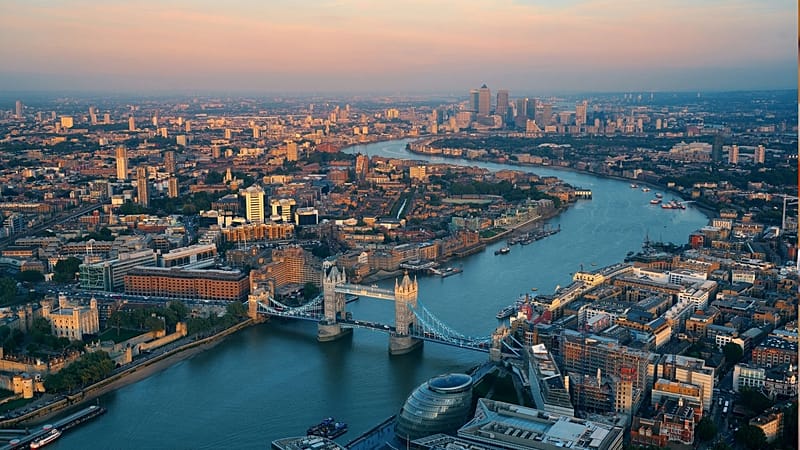
London Remains Top City for 2026, Highlighting Global Urban Trends
London has once again been named the best city in the world for 2026, securing its position as the top city for the 11th consecutive year. This recognition comes from the World’s Best Cities 2026 ranking, which evaluates cities based on a wide range of criteria, including livability, lovability, and prosperity. The index is developed by Resonance Consultancy, a real estate advisory firm that conducted a survey of over 21,000 respondents across 30 countries, along with global user-generated data.
The ranking highlights the top 100 cities shaping the future of our planet, especially in light of increasing urbanization and geopolitical challenges. London’s continued dominance reflects its strong appeal as a global hub, combining historical significance with modern amenities.
Other European cities featured in the top 10 include Paris, Madrid, Rome, Berlin, and Barcelona. According to Chris Fair, president and CEO of Resonance Consultancy, Europe remains the center of the tourism sector, with 45% of all international travelers choosing to visit the continent.
“European cities offer a blend of activities, culture, and entertainment that cater to both visitors and residents,” Fair explained. “This strength of the visitor economy is a key factor in their success.”
Metrics That Define the Ranking
The ranking considers several key metrics:
- Livability: This includes factors such as nature, walkability, public transit, and air quality.
- Lovability: This measures nightlife, culture, attractions, and dining.
- Prosperity: This looks at economic strength, education, labor force participation, and connectivity.
In addition to these traditional metrics, this year’s ranking introduced a climate risk score in partnership with AlphaGeo. This new metric takes into account the impact of climate change on a city’s resilience and future sustainability.
“Climate change is no longer just about weather—it’s about how well a city can adapt and thrive in the face of changing conditions,” Fair noted.
The Impact of Global Circumstances
The 2026 index also accounts for current global circumstances, such as shifting mobility patterns and evolving perceptions that influence investment and travel trends. Leading cities have focused on enhancing cultural districts, making them more attractive to both tourists and residents.
The United States had the most cities featured in the ranking, followed by Germany with eight and China with seven. London, however, continues to stand out, ranking third for livability, second for lovability, and first for prosperity.
Why London Stands Out
Fair attributed London’s success to its rich history as a global capital. “London is one of the most familiar cities in terms of popular entertainment, movies, culture, and history,” he said. “This resonance with people helps maintain its appeal.”
Post-pandemic recovery has also played a role, with London attracting a significant number of international tourists, particularly from the United States. Visitors can explore iconic landmarks like the Tower of London, the London Eye, Buckingham Palace, and the British Museum. They can also enjoy some of the world’s best food at a variety of fine and casual dining options.
For a cultural experience, visitors can catch a West End show or a performance at Shakespeare’s Globe. Those looking for unique experiences can head to Sky Garden, while bargain hunters might prefer Portobello Road Market or Camden Market.
Challenges for Smaller UK Cities
Despite London’s dominance, smaller UK cities often struggle to gain the same level of attention. “London’s prominence can overshadow other cities in Great Britain,” Fair noted. For example, cities like Sheffield may perform well in terms of quality but lack the same level of global perception.
European Cities Lead the Way
Six European cities made it into the top ten, more than any other region. Paris, for instance, came in third, thanks to its blend of historic charm and modern innovation. The city has reinvented itself as a walkable and bike-friendly destination, while maintaining its cultural richness.
“Paris is still the most compelling urban symphony on the planet,” the report stated. From the Eiffel Tower to the Louvre Museum, the city offers a mix of history, art, and modernity. Its neighborhoods, such as the Latin Quarter, Montmartre, and Le Marais, provide a glimpse into the city’s vibrant culture.
Madrid ranked fifth in the index, driven by its ambitious green transformation. The city’s Bosque Metropolitano project aims to create Europe’s largest metropolitan forest, offering both environmental benefits and a unique urban experience.
Rome came in seventh place, buoyed by the 2025 Jubilee, which attracted a surge of pilgrims and tourists. The Eternal City offers a wealth of historical sites, from the Colosseum to the Sistine Chapel, as well as charming neighborhoods like Trastevere and the Villa Borghese park.
The Future of Travel
Experiential travel is becoming increasingly popular, with travelers seeking unique experiences rather than just popular destinations. This trend has helped boost tourism in cities like Paris and across Europe.
However, despite the strong presence of Western European cities in the ranking, Eastern European cities continue to lag in terms of global perception, even though they perform well in the index. “There’s still work to be done to educate people about the diversity of European destinations,” Fair said. “We need to spread tourism more evenly across the continent.”

Related posts:

Fiction park: He was the best in class. He still wasn’t good enough

Gagan Thapa takes oath as Congress president, vows to regain public trust

Inside knowledge that has locals gripped by fear after gran’s body found decomposing in cattle dip

New property purchase disclosure rule in Japan sparks fears it may curb foreign investment

Dino-mite treasures: inside Singapore’s Fort Knox storing playthings of ultra-rich