Political Tensions Escalate as ODM Demands Deputy President Slot
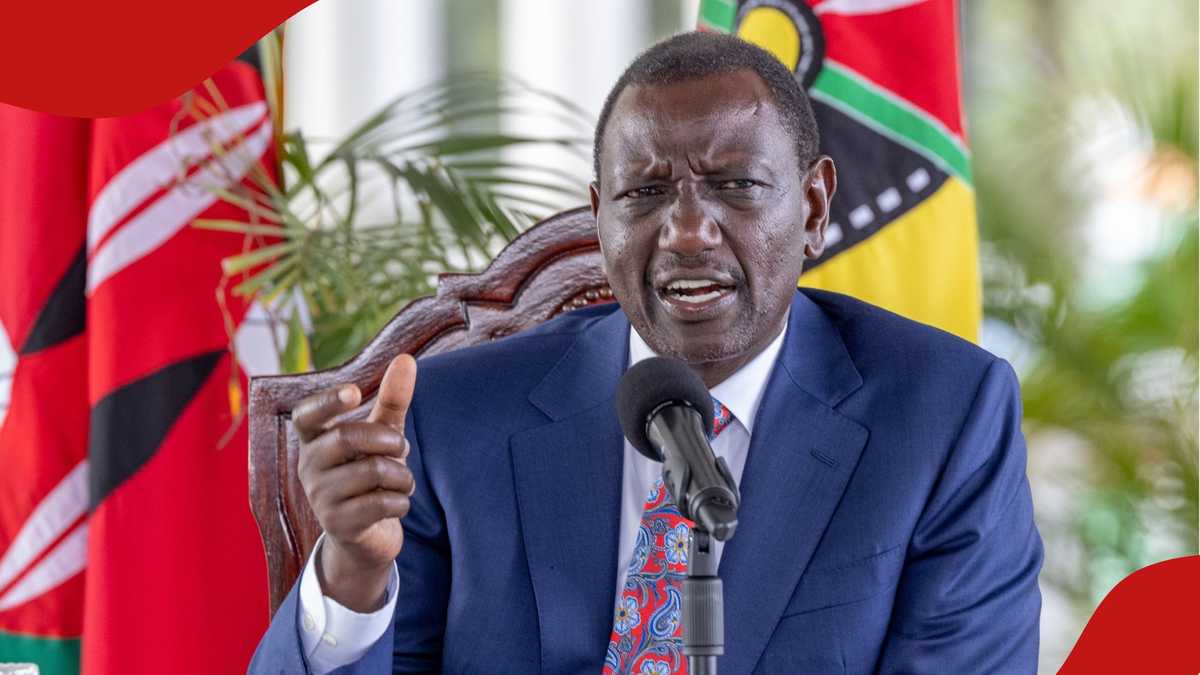
The political landscape in Kenya is witnessing a deepening rift, particularly between the Orange Democratic Movement (ODM) and President William Ruto’s Kenya Kwanza coalition. This tension has been exacerbated by ODM leaders’ insistence on securing the deputy president slot in any potential coalition deal with Ruto’s party. The move highlights the challenges ODM faces in maintaining its relevance following the death of its long-time leader, Raila Odinga.
ODM’s Strategic Move for Survival
Analysts suggest that ODM’s demand for the deputy president position is not merely a power play but a calculated strategy to ensure the party’s survival in the post-Raila era. With internal divisions threatening to fracture the party, ODM leaders are looking to secure a prominent role in any future government. This decision reflects a broader effort to maintain influence and prevent the party from fading into irrelevance.
Philip Wanyonyi Wekesa, a Bungoma-based political commentator, explains that the demand by ODM’s interim leadership is aimed at anchoring the party’s long-term relevance. He emphasizes that the bargaining power within any coalition will depend heavily on the number of votes each party can deliver. The deputy president position comes with significant financial and regional benefits, making it a crucial asset for ODM.
Ruto’s Dilemma: Balancing Regional Loyalties
President Ruto now finds himself in a precarious position. On one hand, he needs ODM’s support to secure Nyanza votes, which are vital for his 2027 election campaign. On the other hand, he must protect his Mt Kenya base, where loyalists to Deputy President Kithure Kindiki hold significant sway. This balancing act could prove challenging, as any perceived favoritism toward ODM risks alienating key supporters in Mt Kenya.
MPs from Meru and Tharaka-Nithi have already voiced their concerns, warning that sidelining Kindiki could unravel the alliances Ruto has carefully built. One lawmaker likened the situation to “political self-destruction,” highlighting the potential consequences of such a move.
Internal Divisions Within ODM
The internal divisions within ODM are becoming increasingly apparent. While some figures within the party support an alliance with Ruto, others are pushing for a rebuild of the opposition. This rift has created a sense of uncertainty about the party’s future direction.
Edwin Sifuna, the party secretary-general, advocates for a clean break from Ruto’s control, aiming to regroup as a vibrant opposition force. He argues that prolonged government immersion risks diluting the party’s founding ideals. Conversely, heavyweights like Homa Bay governor Gladys Wanga and National Assembly Minority Leader Junet Mohamed support the alliance, viewing it as Raila’s parting gift. However, claims of “auctioning” the party for personal gain have sparked controversy.
Ruto’s Strategy: Exploiting ODM’s Divisions
Political analysts believe that Ruto may be leveraging ODM’s internal divisions to his advantage. By dangling the deputy president slot, he could siphon votes without fully merging the parties. This divide-and-conquer approach allows him to nurture ODM’s schisms while ensuring neither faction bolts entirely.
Wekesa notes that ODM’s demand for the second-highest office is part of a broader calculation to survive the turbulence and for Kenya Kwanza to gain the support base needed for 2027. He adds that Ruto is employing a similar strategy in Central Kenya, where he has successfully managed political divisions.
Challenges for Ruto’s Popularity
Despite these strategic moves, Ruto faces significant challenges in regaining popularity among Nyanza voters. United Opposition youth leader Ken Babu argues that political allegiance in Nyanza is not easily swayed by high-level negotiations. He points to broader disillusionment stemming from unfulfilled promises and the aftermath of the Gen Z protests.
Babu believes that Ruto’s overtures to ODM, including offering a running mate position, will not translate into votes. He states that Ruto has lost favor with the ground, and no moves he makes will salvage his image.
Conclusion
As Kenya navigates this complex political terrain, the decisions made by ODM and Ruto will have far-reaching implications. The demand for the deputy president slot underscores the high stakes involved, with both parties maneuvering to secure their positions in the evolving political landscape. The coming months will be critical in determining the future of Kenya’s political dynamics.


