Understanding Russia’s Hybrid Warfare Tactics in Europe
Russia has developed a sophisticated network of agents to conduct acts of sabotage across European countries as part of its broader hybrid warfare strategy against Ukraine. A recent study sheds light on the methods used by Moscow and offers recommendations for the EU to counter these threats.
The research, titled “Russia’s Crime-Terror Nexus: Criminality as a Tool of Hybrid Warfare in Europe,” was conducted by GLOBSEC and the International Center for Counter-Terrorism (ICCT). The study highlights how the Kremlin leverages both government agencies and organized crime to carry out hybrid operations. According to the researchers, these tactics are not just a side issue but a central pillar of Russian strategy.
The study draws parallels between Russia’s current approach and that of the Islamic State (ISIS), which also recruited former criminals to carry out violent attacks. However, the key difference is that today’s threat involves a state actor — Russia — rather than a non-state group.
110 Acts of Sabotage Since 2022
Between January 2022 and July 2025, there were 110 reported acts of sabotage and attempted attacks in Europe, primarily in Poland and France. Of these, 89 were successful, while 21 were foiled. The researchers note that the number of disrupted plots could be significantly higher, as intelligence services often do not disclose such information publicly.
The study identified 131 perpetrators, with at least 35 having previous criminal records. These individuals were recruited through criminal organizations or from penal colonies. Most were male, with an average age of 30. They were predominantly Russian-speakers from post-Soviet states and were motivated by financial incentives. Payments ranged from a few euros for graffiti to substantial sums for attacks on critical infrastructure.
Recruitment was mainly conducted online, particularly via the Telegram messaging app, as well as through friends and family.
Illicit Finance and Sanctions Evasion
The study emphasizes that Russia’s hybrid operations are closely tied to illicit finance and sanctions evasion. It found that Moscow uses shadow financial operations to move money covertly across borders, pay operatives, and sustain its war economy.
“These channels allow the Kremlin to bypass restrictions while embedding criminal networks deeper into its hybrid warfare strategy,” the researchers said. They further argue that illicit finance, criminality, and hybrid operations are not separate challenges but elements of a single playbook. Russia’s kinetic campaign — including bombings, arson, and assassination plots — should be seen as both punishment for Europe’s support of Ukraine and preparation for potential wider conflict.
Historical Context: Kremlin Ties to Crime
The Russian government’s use of criminals is not new. Dominika Hajdu from GLOBSEC explained that people who lived east of the Iron Curtain remember how chronic supply shortages in the Soviet Union created a reliance on the shadow economy. After the collapse of the Soviet Union, corruption became widespread in Russia, unlike in other post-communist countries.
In 1994, over 500 criminal groups were active in Russia, controlling around 40,000 companies. By the early 2000s, representatives of the security services, including former KGB officers, had consolidated their control over the Russian state. Their connections to the criminal underworld became part of the state system.
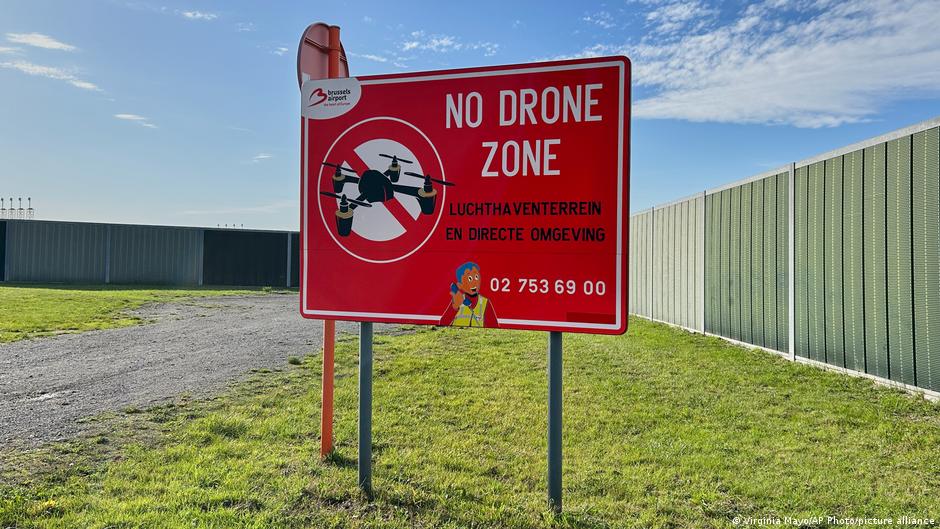
Polish politician Bartlomiej Sienkiewicz, a member of the European Parliament, agrees that the Russian government has long used criminal methods and maintained ties to organized crime. He emphasized the need for the EU to respond effectively, noting that recent drone activity at European airports has paralyzed traffic. “No one shot them down,” he said. “We want to take action against people recruited by Russia, but the activities on Telegram have still not been stopped.”
Recommendations for the EU
The authors of the study proposed several recommendations for the EU to address these threats. These include improved monitoring of online platforms, particularly Telegram. They also suggest broadening the definition of “hybrid threats” to include non-state actors such as criminal organizations, ideologically motivated proxies, or individuals acting in their own interests.
Many national doctrines and strategies fail to account for the increasing role of non-state actors, creating legal loopholes that enable Russia to deny its involvement in attacks. The study argues that a better understanding of hybrid threats and stronger cooperation between public and private actors are essential.
Hajdu stressed the importance of collaboration between public and private sectors, as European companies have more sophisticated mechanisms for detecting Russian criminal activities. She advocates for the creation of a platform to coordinate cooperation and prevent Russian hybrid attacks on European countries.


