The Evolution of Black Revolutionary Theology
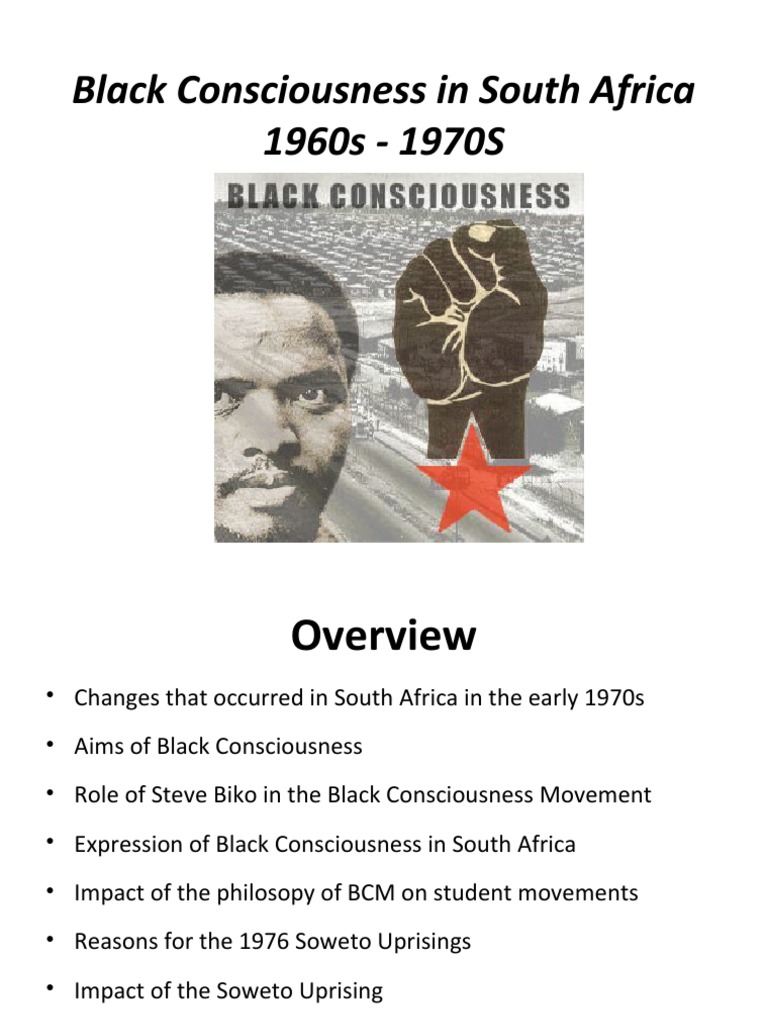
Half a century separates the works of African American Methodist minister James Cone, particularly Black Theology & Black Power (1969) and A Black Theology of Liberation (1970), from the writings of South African anti-apartheid activist and minister Allan Aubrey Boesak. In his 2021 book, Selfless Revolutionaries: Biko, Black Consciousness, Black Theology, and a Global Ethic of Solidarity, Boesak reevaluates Cone’s revolutionary theological ideas in relation to the philosophy of Steve Biko, a key figure in Black Consciousness (BC). Boesak, an influential theologian with a long-standing body of work since the 1970s, served as president of the World Alliance of Reformed Churches from 1982 to 1991. His ability to connect radical ideas from different parts of the world makes him uniquely positioned to suggest ways to reshape both South African and global society.
The transnational circulation of black revolutionary theology has been well documented by scholars such as George Frederickson, Ian Macqueen, Daniel Magaziner, and Anne Heffernan. Their work highlights connections between BC and the University Christian Movement (UCM). In 1969, James Cone published Black Theology & Black Power, drawing on Stokely Carmichael and Charles Hamilton’s Black Power (1966). This manifesto introduced a vocabulary for analyzing racial dynamics in America after a decade of civil rights efforts. It reflected the exhaustion and anger felt by student activists who had struggled against oppressive structures for years.
Cone used this manifesto to define Black Power constructively, responding to criticisms that it was reverse racism or an expression of hatred toward white people. He framed it as an affirmation of black existence, offering a critique of both white liberalism and non-violent resistance. For Cone, the task of theology is to show what the “unchangeable gospel” means in each new situation. Thus, black theology aims to apply the freeing power of the gospel to black people under white oppression. Boesak echoes this view, emphasizing that black liberation theology is African in orientation and constantly evolving based on the context in which it is expressed.
Apartheid and the Philosophy of Violence
During the 1960s and 1970s, the apartheid regime was at its most brutal. Prominent leaders were banned, political activists were murdered, and families of resistance leaders faced interrogation, imprisonment, and torture. Media censorship and surveillance were widespread. These turbulent times, including the 1976 Soweto uprising, the assassination of leaders like Biko and Abraham Tiro, and violent intra-party conflicts, led to a philosophical stance on violence and non-violence. This philosophy is grounded in four central concerns: morality, inevitability, positivity, and responsibility. Selfless Revolutionaries responds to these concerns, focusing on morality and responsibility as keys to South Africa’s regeneration in the post-apartheid era.
Boesak draws on his own experiences as an activist pastor, linking them to BC ideas and their relationship to black theology. He also explores feminist revaluations of BC and black theology, emphasizing their continued relevance in contemporary South Africa. His life is deeply connected to South African and global politics, especially through his experiences during the pivotal year of 1968, marked by radical thought and action worldwide. His family was forcibly removed from their home in Cape Town’s Somerset West under the Group Areas Act, an experience that shaped his understanding of selective discrimination. Later, as a young pastor, he preached in Paarl, another area declared white, where similar threats of eviction and removal persisted.
Transnational Reverberations and Inclusivity
In his essay “The Inescapable Network of Mutuality,” Boesak reflects on the mutual transnational influence of civil rights and anti-apartheid resistance. He recalls being influenced by the philosophy of non-violence embodied by figures like Dr. Martin Luther King and Chief Luthuli. These voices resonated across the Atlantic, calling and responding to each other in his essays. The broader aims of global solidarity and national regeneration emerge through BC and Biko’s ideas on black cultural pride and community consciousness, which remain relevant today.
Key figures in the Black Freedom Movements, including Rev. King, Rev. Beyers Naude, Chief Albert Luthuli, and Nelson Mandela, are equally important to these aims. While many of these leaders advocated non-violence, Boesak’s work also addresses the question of “provoked” violence between 1976 and 1990, a period when some BC activists shifted toward embracing violent resistance against the apartheid regime.
Acknowledging Oversights and Moving Forward
A critical thread in Boesak’s analysis is the acknowledgment of oversights in BC ideology and masculinist theology. Scholars like Mamphela Ramphele and Pumla Gqola have previously critiqued gender blindness in BC. Cone and Basil Moore acknowledged gender bias in their original conceptions of black theology. Boesak continues this tradition of self-critique, addressing BC masculinism in essays such as “In Search of Our Human Race” and “Who will Rescue me from this Body of Death.”
Inclusivity is central to Boesak’s vision. He invokes women theologians like Kelly Brown Douglas, who spoke of Trayvon Martin as “Jesus on a Florida sidewalk.” He also extends the reach of Dr. King’s Poor People’s March, advocating for the inclusion of women and LGBTQI+ persons in the call for “radical justice.” Despite King’s famous “I Have a Dream” speech, which was first used by Prathia Hall, he did not sufficiently acknowledge the contributions of Ella Baker and Bayard Rustin.
A Liberating Consciousness
Boesak emphasizes that a liberating consciousness should be at the forefront of struggles against patriarchalism, religious exclusivity, and heteronormative bigotry. He calls for the inclusion of women as equal partners in the struggle for liberation and for their leadership in these movements. By invoking a “fighting god,” he highlights ongoing struggles against corrupt leadership, gender-based violence, class inequality, xenophobia, and ethnocentrism in South Africa.
Boesak views the lack of adoption of BC and black theological ideas as an “incomplete revolution.” Engaging with these ideas is crucial amid global conflicts, targeting of racialized populations, police brutality, mass incarceration, and the detention and deportation of migrants and refugees.
The Importance of Black Theology Today
While there are no guarantees that the tenets of radical black theology can translate into effective actions for a just society, they offer a glimmer of hope. As warfare, violence against black, women, children, and queer communities resurges, the importance of these ideas has never been greater. Boesak’s work underscores the need for a renewed commitment to social justice, inclusivity, and the transformative power of black theology.


