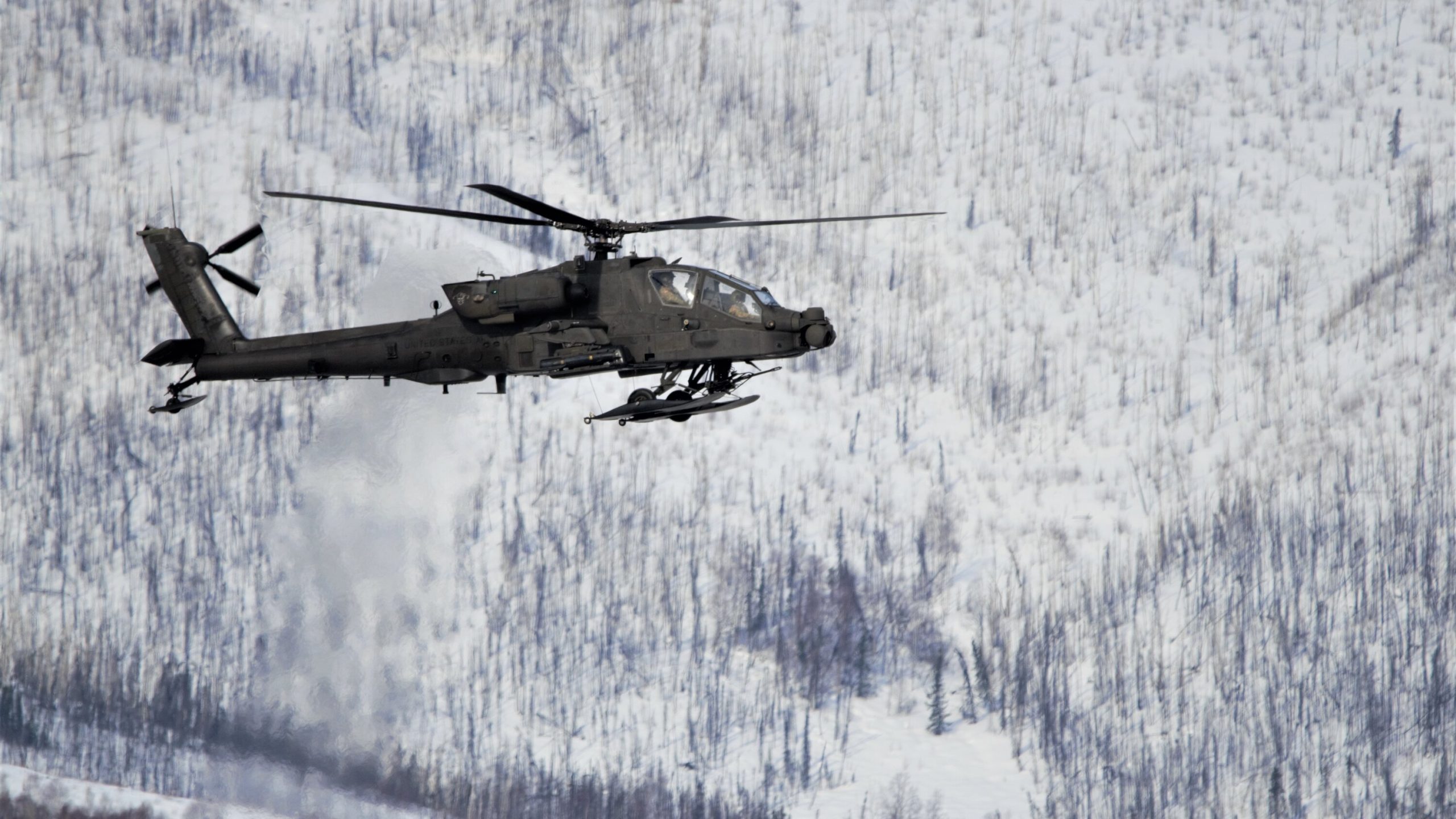
The Tragic Helicopter Crash: A Lesson in Aviation Safety
On 6 August 2025, a Harbin Z-9EH military helicopter operated by the Ghana Air Force (GAF) met a tragic end while en route from Accra to Obuasi on an anti-illegal mining mission. The aircraft, with tail number GHF 631, crashed into a forested mountainside in the Adansi Akrofuom District of the Ashanti Region, resulting in the deaths of all eight people on board. Among the victims were Dr Edward Omane Boamah, Minister of Defence; Ibrahim Murtala Muhammed, Minister of Environment, Science and Technology; and several other senior officials and military personnel.
The crash, which caused widespread grief across Ghana, has since been the subject of a detailed investigation led by the Aircraft Accident and Incident Investigation and Prevention Bureau (AIB Ghana). At a press briefing held at Jubilee House on 11 November, Captain Paul Forjoe, a retired pilot and lead investigator with the AIB, presented the findings of the technical phase of the inquiry.
According to the report, the direct cause of the accident was a sudden and intense downdraft—a violent downward air stream that overpowered the helicopter’s rotors, leading to a rapid loss of lift and altitude. This environmental phenomenon occurred over elevated terrain under rapidly shifting weather conditions, making it a significant challenge for low-altitude aviation operations.
Captain Forjoe emphasized that the downdraft was not the result of mechanical failure or pilot error. “The investigation determined that the accident was caused by the sudden loss of altitude and lift due to downdraft,” he stated. “This loss of altitude without change in power or pitch attitude is consistent with downdraft associated with changing environmental conditions over high terrain.”
Despite meeting all basic safety requirements before the crash, the helicopter lacked additional safety enhancements that could have mitigated the risks associated with such weather conditions. The report highlighted the urgent need for modernization within the GAF, including the acquisition of aircraft equipped with Terrain Awareness and Warning Systems (TAWS) and Enhanced Ground Proximity Warning Systems (EGPWS), as well as advanced navigation systems.
Recommendations for Improved Safety
The investigative team made several key recommendations to enhance flight safety and prevent similar incidents in the future:
- Acquire modern aircraft with TAWS/EGPWS and modern navigation systems
- Invest in flight simulators for recurrent training
- Contract certified aviation weather providers
- Equip aircraft with voice recorders and audiovisual-capable flight data recorders
- Develop en route navigational aids, especially in remote areas
- Establish a flight data monitoring and en route tracking system
- Modernize ground support equipment to enhance operational safety
These measures aim to address the challenges posed by Ghana’s varied terrain and unpredictable weather patterns, particularly in mountainous and weather-volatile regions where sudden changes in atmospheric pressure and temperature can create dangerous aerodynamic effects.
Crew Qualifications and Rest Periods
Captain Forjoe also confirmed that the crew involved in the crash had undergone thorough checks of their qualifications, medical, and psychological records. The team found that the crew had flown three flights prior to the accident and had 24 hours of rest before the mission. “The last three flights before the accident were conducted by the same crew,” he stressed.
The final report, chaired by National Security Coordinator Abdul-Osman Razak, incorporated input from the Ghana Air Force, the Ghana Civil Aviation Authority (GCAA), and international aviation experts. It concluded that the crash was purely the result of environmental forces beyond the crew’s control, shifting focus away from mechanical or operational shortcomings.
Impact and Aftermath
The tragedy has prompted nationwide mourning and calls for a comprehensive safety review within the armed forces’ air operations. The loss of senior officials and military personnel has left a deep void in Ghana’s leadership and national security apparatus.
Minister of Government Communications, Felix Kwakye Ofosu, reiterated that the investigative report should put to rest any doubts about the events of that day. “This should put to rest any doubts on the events on that day,” he said.
As the nation reflects on this devastating incident, the importance of real-time weather monitoring and improved forecasting tools for low-altitude aviation operations cannot be overstated. The AIB’s findings serve as a critical reminder of the unpredictable dangers of weather-related aviation phenomena and the urgent need to strengthen Ghana’s weather monitoring systems for flight safety.


