Finland’s Energy Transition: From Russian Dependence to a New Era
Finland has long been a country with a complex relationship with its northern neighbor, Russia. Historically, the nation relied heavily on Russian energy imports, particularly for electricity, oil, and natural gas. However, this dependency came under scrutiny after the Russian invasion of Ukraine in February 2022, which forced Helsinki to reevaluate its energy strategy.
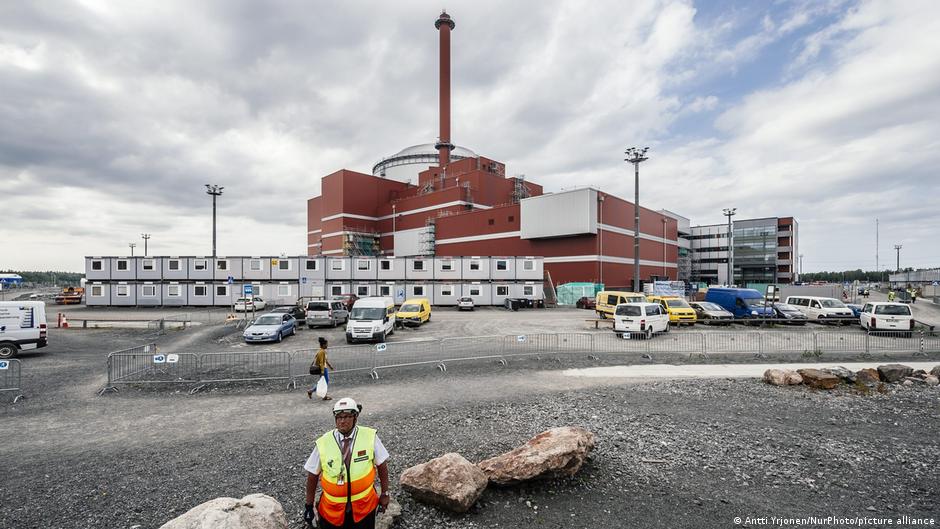
Olkiluoto island, located on the western coast of Finland, was once primarily an energy hub for the country. But with the onset of the conflict in Ukraine, it became a focal point in Finland’s efforts to reduce its reliance on Russian energy. Prior to 2022, Finland received nearly half of its energy imports from Russia, a situation that raised concerns about national sovereignty and security.

Sari Multala, Finland’s Minister of Climate and the Environment, reflected on the shift in perspective. “Before 2022, there had been the optimistic hope we had gotten past an era where it’s all about enlarging territory and invading sovereign countries and we could live happily in peace having trade,” she said. “But then, we understood that was not the case and that we had to take care of our own sovereignty, also when it comes to energy.”
This realization led to a significant political change as Finland moved away from its traditionally neutral stance and joined NATO. In response, Moscow cut off electricity supplies to Finland, citing non-payment in rubles. Since then, Russia’s share in Finland’s energy imports has dropped to almost zero.

In the wake of this shift, Finland has diversified its energy sources. Oil, which accounted for 19% of the country’s energy consumption in 2019, is now sourced from Norway, the UK, and the US. Natural gas, previously making up 5% of the energy mix, is now imported in liquefied form through LNG terminals.
One such facility is the new floating LNG terminal in the southern port of Inga, operated by Gasgrid Finland. This development marks a key step in Finland’s energy transition, reducing dependence on traditional fossil fuels.
Nuclear and Renewable Energy Take Center Stage
Nuclear energy has become a cornerstone of Finland’s energy strategy. The Olkiluoto 3 nuclear reactor, one of the largest in the world, has significantly increased Finland’s nuclear capacity. With a total output of 1,600 MW, it has boosted the country’s nuclear share in electricity production from 28% in 2022 to 39% today.

However, the project came at a steep cost. Initially estimated at €2.5 billion, the price tag for Olkiluoto 3 ballooned to €11 billion, with construction taking 18 years instead of the planned four. Despite these challenges, the reactor has brought benefits, including low electricity prices and the creation of 5,000 direct and indirect jobs.
Renewables have also played a critical role in Finland’s energy transition. Onshore wind farms contributed 24% of the country’s electricity production in 2024, compared to 14% in 2022. Veli-Pekka Tynkkynen, a professor at the University of Helsinki, sees renewables as the future of Finland’s energy model. He argues that nuclear, biomass, hydropower, and wind energy can create a resilient system.
Yet, Finland still faces challenges in fully severing ties with Russia. For instance, Fortum, a Finnish energy company, has struggled to replace Russian uranium deliveries despite three years of effort.

Other European countries have also taken steps to diversify their energy sources following the war in Ukraine. Thijs van de Graf, an expert on energy policy, emphasizes the importance of a balanced approach. “The recipe for energy security includes energy efficiency, electrification, and renewables,” he said.
According to a May 2025 poll, 68% of Finns have a positive view of nuclear energy, which has influenced TVO’s decision to consider building additional reactors.
Managing Nuclear Waste Safely
Posiva, a company specializing in the final disposal of spent nuclear fuel, plays a vital role in ensuring the safe management of Finland’s nuclear waste. The Onkalo storage facility, located at the power plant site, is designed to store the waste of Finland’s five existing nuclear power plants in one-ton capsules buried deep underground.

Pasi Tuohimaa, communications manager at Posiva, highlighted the company’s investment in the facility. “We have spent between €500 million and €1 billion on the storage facility encompassing 60 kilometers of tunnels about 450 meters below ground level,” he said.
While Finland has made significant progress in its energy transition, challenges remain. Anni Mikkonen, CEO of Renewables Finland, argues that wind power could offer a faster solution. “There’s a really strong project pipeline that you can start building when electricity is needed. We could double onshore capacity within ten years,” she said.
She added that additional power could be used for electric cars or exported to other countries, helping them reduce their reliance on Russian energy imports.
As Finland continues to navigate its energy future, the balance between nuclear, renewables, and energy security remains central to its strategy.


