The Paradox of Sleep: Why Trying Too Hard Can Make Insomnia Worse
Struggling to fall asleep when you suffer from insomnia can be an exhausting and frustrating experience. Many people turn to online sleep hacks, hoping for a quick fix. However, experts warn that these methods might actually worsen the problem.
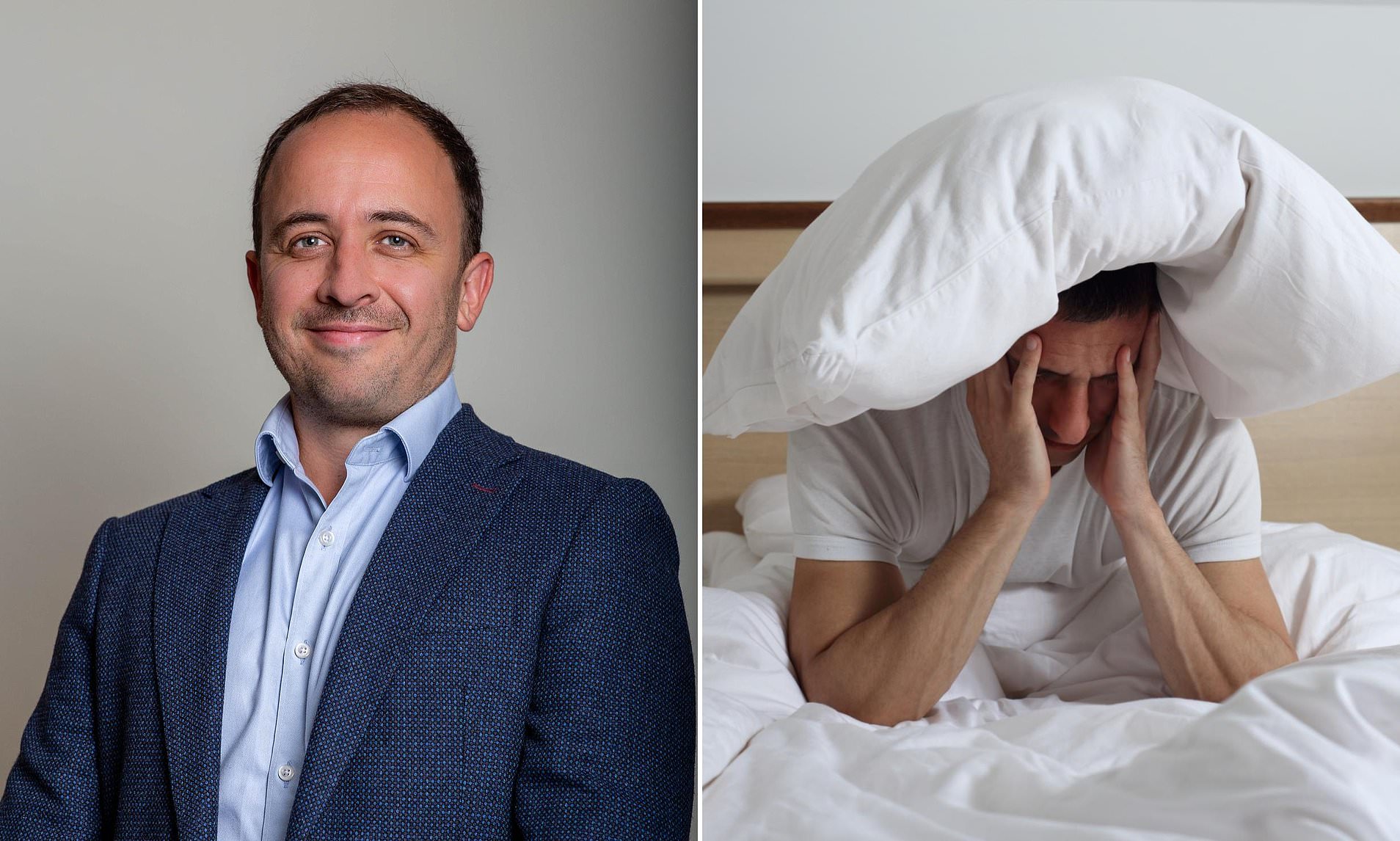
Dr. David Garley, a GP at The Better Sleep Clinic, who specializes in diagnosing and treating sleep disorders, explains that trying too hard to fall asleep can lead to worse sleep quality. “As soon as you try to start fixing it and you try too hard, that’s often when your insomnia starts to accelerate,” he says. “It does seem a bit paradoxical, but sometimes it’s about taking your foot off the accelerator and actually trying to do less.”
This warning comes amid the popularity of various sleep hacks that have gone viral on social media. One such trend is the “military sleep method,” which claims to help users fall asleep within just two minutes. This technique gained traction on TikTok, with videos showcasing the method attracting thousands of views.

The military sleep method was first introduced by Bud Winter, a sprint coach who studied psychology and authored the book Relax and Win: Championship Performance. In his book, he claimed the method was developed for the United States Navy Pre-Flight School to help pilots fall asleep instantly in stressful situations.
Dr. Dean J. Miller, a sleep scientist at Central Queensland University in Australia, explained the technique in The Conversation. According to him, the method consists of three main components:
- Progressive muscle relaxation: This involves contracting and relaxing muscles of the face, then the shoulders and arms, before moving down through the chest and legs.
- Controlled breathing: This step focuses on slowing and controlling breath, emphasizing longer exhalations.
- Visualization: This involves imagining a calm environment, such as floating on calm water or lying in a quiet field.
While there are variations of the hack, Dr. Garley notes that each of these steps is typically done for approximately 10 seconds.

Some versions of the sleep hack online include an additional step for overthinkers—repeatedly thinking “don’t think” until falling asleep. This was included in a TikTok video posted by @stanbr0wney, which has been viewed over 14,600 times. In the clip, the user mentioned that while visualization didn’t work for them, repeating the phrase “don’t think, don’t think, don’t think” helped them fall asleep within five minutes.
Dr. Miller explains that this method may be effective for some people because of its similarities with cognitive behavioral therapy for insomnia (CBT-I). CBT-I is a treatment offered by therapists or through self-help programs, according to the NHS. However, he warns that falling asleep within two minutes is unrealistic and not necessarily a good sign.
“Constantly falling asleep within five minutes can be a sign of excessive daytime sleepiness,” he said. “For civilians working nine-to-five and maintaining a regular schedule, falling asleep within 20 minutes is considered normal.”
If you’re really struggling with insomnia, Dr. Garley recommends seeking professional support instead of relying on trends. His recommendation is a method called sleep restriction, which is often part of CBT-I.
“It is the standard treatment for insomnia recommended by the NHS, the British Sleep Society and the American Association of Sleep Medicine,” he said. “There are lots of components to it, but nearly always, it involves pushing your bedtime either a little bit later, or a lot later.”
In practice, this means restricting time in bed to five hours, going to bed late, and waking up tired. Over time, this creates a stronger sleep drive, making it easier to fall asleep quickly and stay asleep through the night.
“The longer we’re awake, the more sleepy we feel,” Dr. Garley explains. “This is due to a substance called adenosine, which our body produces while we’re awake. The more we have, the sleepier we feel.”
While we can’t make ourselves fall asleep on command, we can influence our sleep by staying up later. If you get up two hours early and go to bed two hours late, you’ll likely feel a stronger sleep drive, making it easier to fall asleep and stay asleep.
Symptoms of insomnia include difficulty falling asleep, waking up during the night, and feeling tired after waking up, according to the NHS.
Read more
Could a breakthrough bedtime hack banish insomnia by calming your overactive mind? Discover the expert-approved ‘Infinity Tracing Technique’ that’s captivating overthinkers everywhere!
Could rethinking sleep itself be the secret weapon in battling relentless insomnia?
Struggling to snooze? Learn how millions face insomnia! Find out if your habits are sabotaging your slumber!
Do these TikTok sleep strategies signal a harmless trend or a descent into dangerous orthosomnia?
Could the obsession with ‘perfect sleep’ tips from TikTok actually rob you of rest and peace of mind?

Related posts:

Fiction park: He was the best in class. He still wasn’t good enough

Gagan Thapa takes oath as Congress president, vows to regain public trust

Inside knowledge that has locals gripped by fear after gran’s body found decomposing in cattle dip

New property purchase disclosure rule in Japan sparks fears it may curb foreign investment

Dino-mite treasures: inside Singapore’s Fort Knox storing playthings of ultra-rich