New Study Reveals Concerns About Weight Regain After Stopping GLP-1 Medications
A recent real-world analysis has revealed that more than half of individuals who lose weight using GLP-1 drugs regain at least some of the lost weight within a year of discontinuing treatment. This finding aligns with previous clinical studies, which have shown that most patients tend to regain weight after stopping these medications, with some regaining all the weight they had lost in just one year.
Dr. Michael Weintraub, an endocrinologist at New York University Langone Health and lead author of the study, highlighted the importance of understanding the long-term effects of treatment discontinuation. “Treatment discontinuation leads to weight recurrence in clinical trials, but few real-world studies have evaluated this issue,” he said. He emphasized the need for personalized approaches to obesity treatment, focusing on maximizing gastrointestinal tolerability to ensure long-term use and benefits.
The study, presented at Obesity Week 2025 in Atlanta, found that weight gain after stopping treatment was most significant among those who had experienced the greatest weight loss while on the medication. The research analyzed data from 1,230,320 U.S. adults between January 2010 and June 2024 who were taking GLP-1 drugs for obesity or type 2 diabetes, as recorded in Optum’s Market Clarity database.
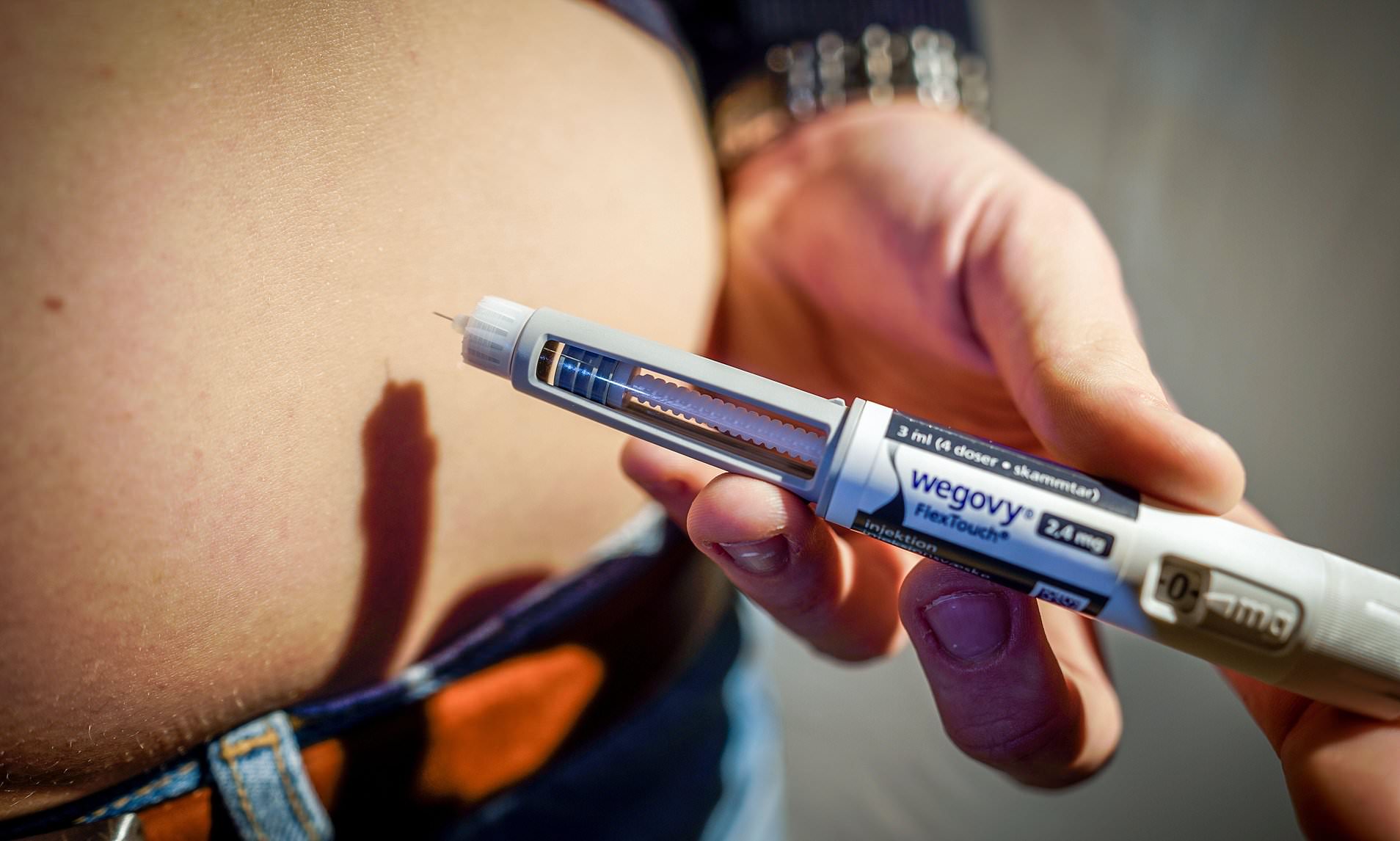
Of these, 18,228 individuals stopped treatment after losing at least 5% of their body weight. Most of these patients had type 2 diabetes. Over half of them were taking semaglutide, the active ingredient in Ozempic and Wegovy, which works by tricking the brain into feeling full, thereby reducing appetite and aiding weight loss.
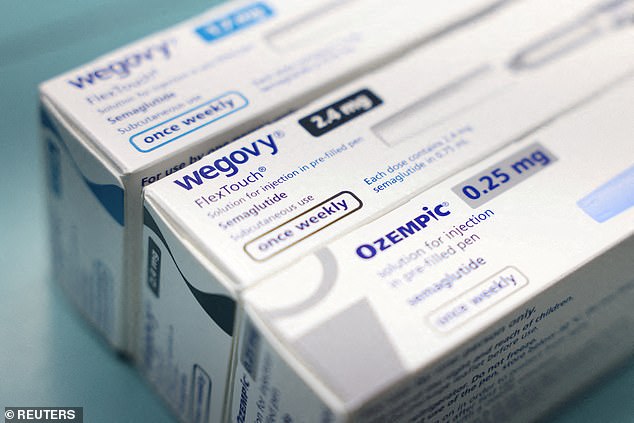

The remaining 56% of participants were using either liraglutide or tirzepatide, commonly known as Mounjaro, which is often referred to as the “King Kong” of weight loss jabs. On average, patients took these medications for just over eight months before discontinuing. All participants in the study were considered obese or overweight, with an average BMI of 39.
Among the entire cohort of over 1.2 million users, more than half were still using GLP-1 drugs after six months, and 38% continued using them a year later. The study showed that weight gain increased over time after stopping treatment, rising from 4.5% of total body weight at three months to nearly 6% at six months, and 7.5% after a year off the medication.
Overall, 58% of users regained the weight they had lost after stopping treatment. Dr. Weintraub suggested further research is needed to understand the factors that differentiate those who maintain weight loss from those who experience weight regain. “Ultimately, more strategies are needed to enhance treatment persistence to attain sustained weight loss and optimal patient outcomes,” he said.
Professor John Apolzan, an expert in nutrition at the Pennington Biomedical Research Center, commented on the findings. “This is a continuation of what we’re realizing—that these obesity drugs can’t be discontinued without negative effects and long-term weight regain. It’s like many other prescription medications; once you’re on them, you tend to stay on them.”
While over 40% of patients maintained their weight loss after stopping the jabs, researchers are unsure whether this was due to lifestyle changes or the use of other weight loss drugs not captured in the claims data. They speculate that differences in how quickly people regain weight could be attributed to the difficulty of maintaining diets compared to the controlled environment of drug treatment.
Previous studies on the effectiveness of weight loss drugs, now used by over 2.5 million people in the UK, have shown that even with newer, more powerful drugs like Mounjaro, users tend to regain weight after stopping treatment. While patients using these drugs may lose twice as much weight as those on older medications—around 16kg on average—they often regain almost 10kg within a year, meaning they could regain all 16kg in less than two years.
These findings raise concerns for the NHS, as guidelines suggest that patients should not remain on weight loss injections for more than two years. However, these drugs have been shown to reduce the risk of serious diseases such as heart disease, dementia, and cancer.
In October 2025, leading doctors hailed a golden age in obesity treatment, stating that Mounjaro and Wegovy should be the primary treatment for obesity in “almost all cases.” New guidance from the European Association for the Study of Obesity praised the drugs’ effectiveness and significant health benefits, describing them as powerful slimming aids that can reduce the risk of associated complications like high blood pressure and type 2 diabetes.
As part of new anti-obesity measures, buy-one-get-one-free deals on sweets, crisps, sugary drinks, and other snacks have been banned in England, along with free refills of fizzy drinks in restaurants and cafes. These policies aim to address Britain’s growing obesity crisis.
A sobering report last year warned that the rising obesity problem has led to a 39% increase in type 2 diabetes among under-40s, with around 168,000 young adults now living with the condition. Excess weight is also linked to at least 13 types of cancer and is the second-largest preventable cause of the disease in the UK, according to Cancer Research UK.

Related posts:

Mother Suffers Daily Allergic Attacks After Drinking Contaminated Coffee Syrup


Challenges of Climate Change in Africa and Lessons from China’s Green Revolution

Senate joint committee finally holds hearing on Ivanhoe deal

True measure of leadership lies not in power, privilege, pageantry – Tinubu at book presentation