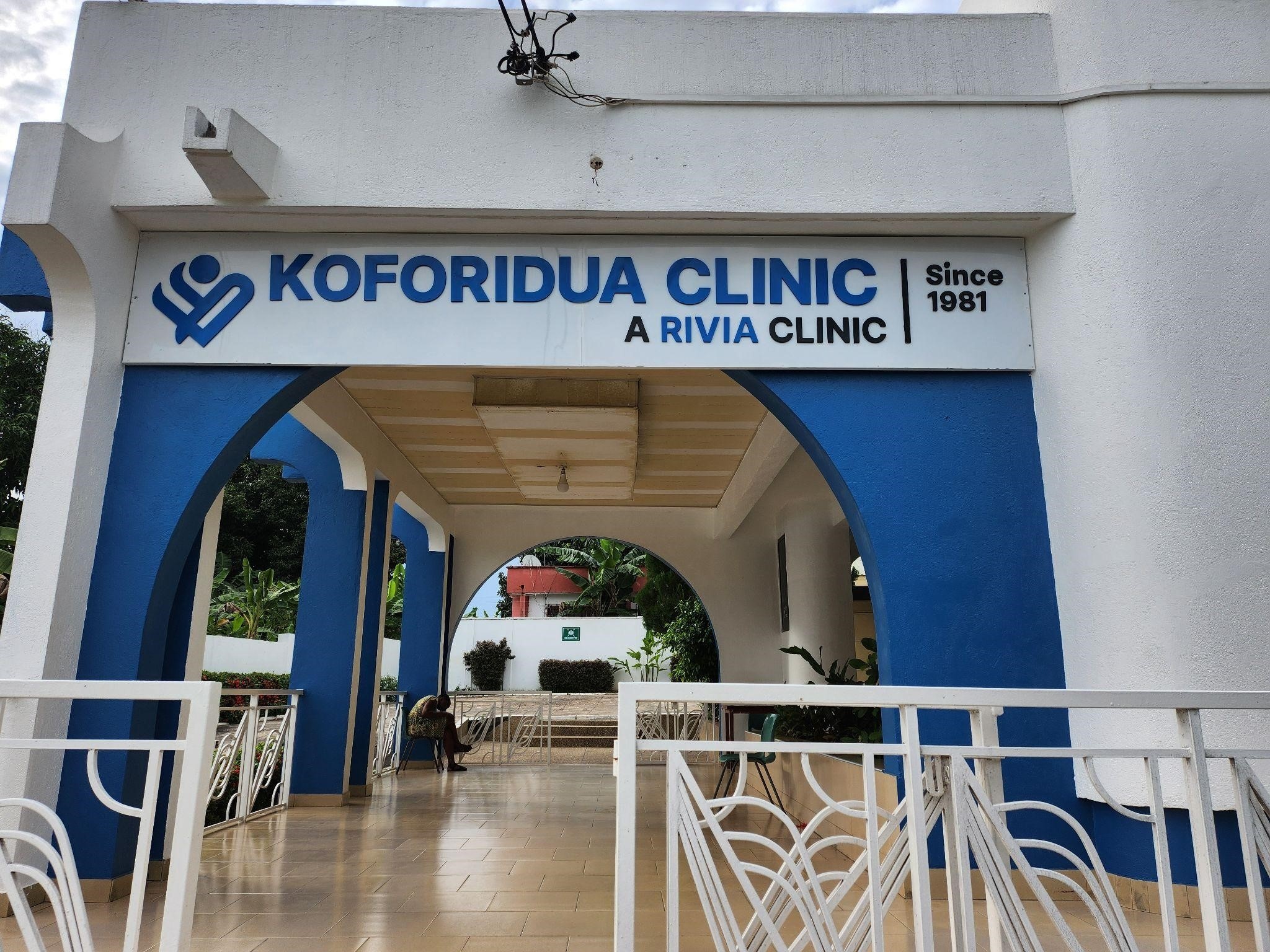
Rivia, a healthcare technology startup, made its debut in Ghana in 2024 with a clear mission: to make healthcare more accessible, enjoyable, and centered around the patient. To achieve this, the company formed strategic partnerships with existing clinics, upgrading their physical infrastructure, training their staff, and integrating Rivia’s own clinic management software—RiviaOS—into daily operations. The results have been impressive. Within just eight months of joining the network, the average Rivia clinic tripled its patient visits.
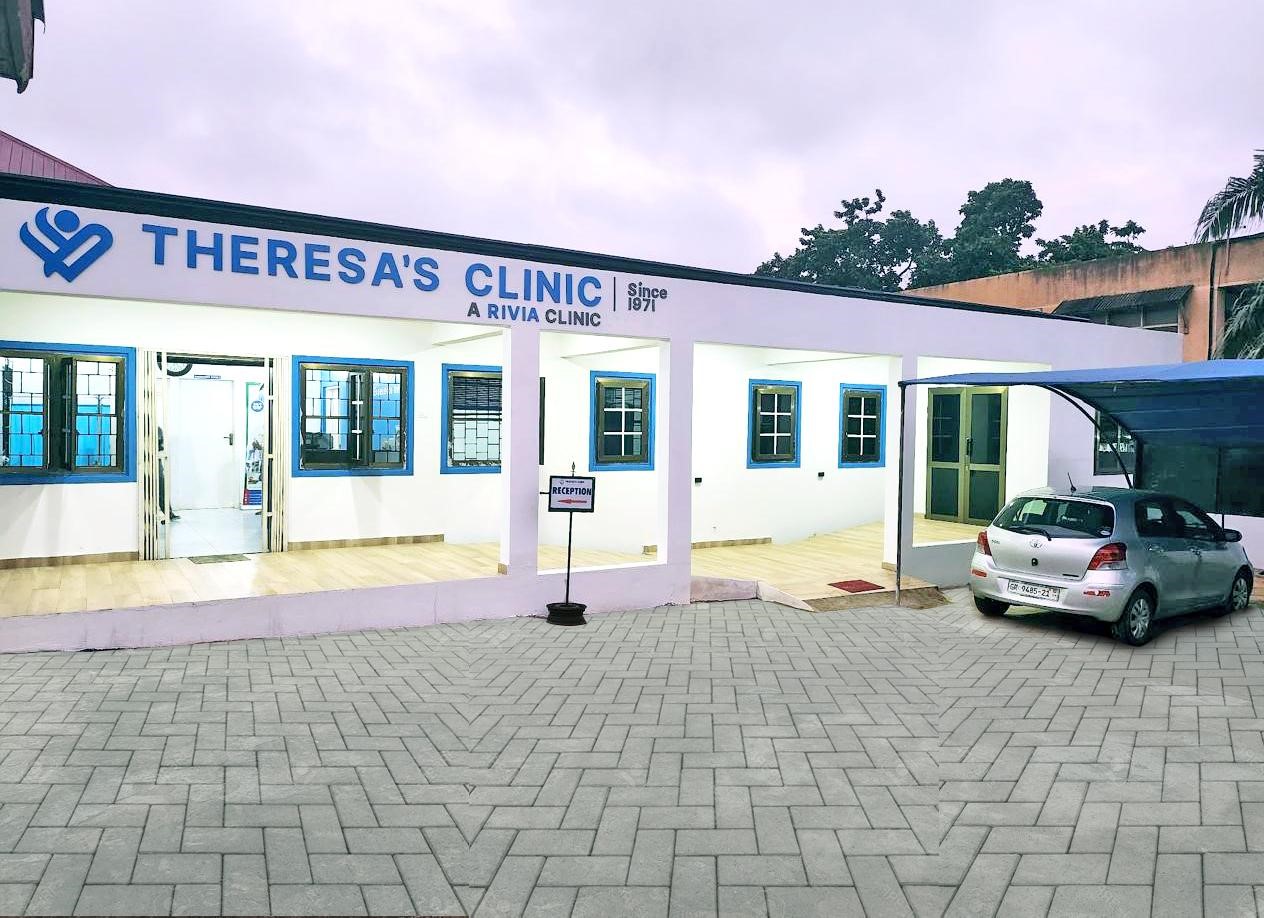
This success is not surprising when you consider the comprehensive upgrades that initial partner clinics received. These included improved infrastructure, new software, trained staff, and well-stocked medical supplies. Combined with Rivia’s growing brand reputation, it’s no wonder that patients are increasingly choosing “Rivia Clinics” across Ghana.
The true innovation lies in the digital integration of all clinics on Rivia’s platform. This means that patients can seamlessly transition between providers without needing to re-register or repeat their medical history. A unified health record follows the patient, saving time and reducing errors. Today, Rivia has built a digitally integrated network that spans 52 providers, impacting over 50,000 patients. In 2024, the company secured an undisclosed pre-seed round from investors such as Kaleo Ventures, Fast Forward Ventures, Chanzo Capital, Taurus Venture Capital, and a range of angel investors, including employees from Meta and Microsoft.
Rivia’s New Bet: The “Health Access” Model
Traditional health insurance models have long struggled to gain traction in Africa. In Ghana, fewer than 600,000 people out of a population of 35 million have private health insurance. In Nigeria, where out-of-pocket spending makes up nearly 75% of total healthcare expenditure, only about 5% of the population is covered by any form of health insurance. In Kenya, just 3–4% of citizens are enrolled in private health plans, while the Social Health Insurance Fund (SHIF) faces challenges with low coverage and inefficiency. Even in South Africa, the most developed market on the continent, only about 16% of the population—roughly 9 million people—are covered by private medical aid schemes, leaving the majority reliant on overstretched public hospitals.
“The system still runs on legacy business models and somehow expects different results,” says Isidore Kpotufe, Rivia’s co-founder and CEO. “We’re taking a different approach. Instead of trying to fix insurance, we’re building something new—a model we call ‘Health Access.’”
The idea draws inspiration from companies like Netflix, Amazon, and Uber, which offer simple, user-friendly platforms that provide instant access without the usual complexity.
How the Rivia Health Access Model Works
Here’s how it works in practice:
- Members pay an upfront yearly fee, say $50, which unlocks $200 worth of healthcare services within Rivia’s network of clinics.
- Unlike traditional insurance, there are no restrictions, exclusions, co-pays, or deductibles. Members can use their full balance for any service available in the Rivia network—from consultations to lab tests and prescriptions.
- Rivia’s model primarily targets primary care, where 60% to 80% of healthcare happens, depending on the region.
- Behind the scenes, Rivia has pre-agreed partnerships with clinics that guarantee service availability for members. This flips the traditional model on its head: instead of insurers underwriting care, the clinics themselves do, backed by Rivia’s platform.
“None of them solve the real problem: fragmentation,” says Isidore. “We spent the last year building the underlying infrastructure. Now, our network of clinics doesn’t just share a brand; they share a central nervous system. This is the launchpad for everything we do next.”
He adds, “Think of it as Netflix for healthcare. You pay a simple subscription and get direct access to a world of care—no fine print, no restrictions. Our integrated network, AI-powered platform, and provider agreements make that possible.”
User-Centered, Tech-Enabled Experience
Members have access to AI-supported, doctor-led virtual care for free, and most in-person visits start with a virtual consultation. “About seven out of ten clinic visits begin as virtual consults,” says Isidore. “That’s how people prefer to engage now.”
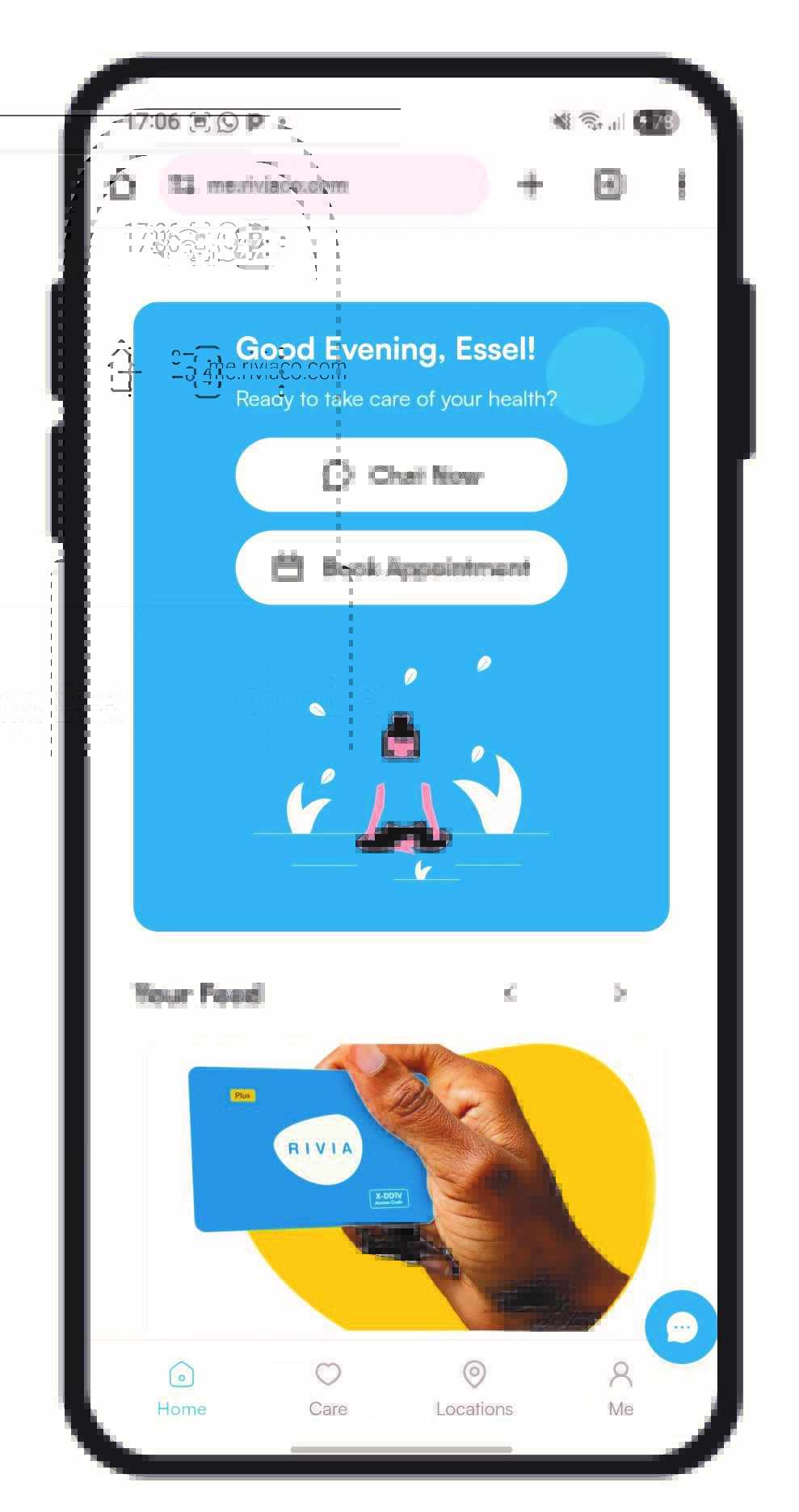
Members can view prescriptions, lab reports, and diagnoses directly from their Rivia account, which is also integrated on WhatsApp—no new app needed. From booking appointments to receiving prescriptions, everything happens inside the familiar messaging platform.
“Our digital approach is market-aware,” Isidore explains. “We’re not forcing users onto a random new app. We’re meeting them where they already are.”
Rivia offers both free and paid plans. Its paid plans are targeted mainly at small, medium, and growing businesses (SMBs) that have been excluded from traditional health insurance. However, its free tier is available to individuals, families, and smaller firms that want to test the system before committing.
“Eighty percent of our focus today is on SMB partnerships,” Isidore notes. But Rivia is also attracting attention from larger companies. Ghana’s Trasacco Group, one of the country’s largest real estate and construction firms, has already onboarded the staff of Ibis Styles Hotel in Accra onto the platform. The Food and Drugs Authority has also shortlisted Rivia to provide health access for over 1,000 employees.
The Rivia x Ibis Styles Hotel Accra teams
Looking Ahead
Rivia is now raising a seed round to scale its platform across Ghana and expand into Nigeria, Côte d’Ivoire, and Kenya in the near term. With Ghana’s healthcare expenditure estimated at $3–4 billion annually, and more than 2.5 million formal sector employees, the opportunity is massive. Rivia’s approach—bridging care, technology, and transparent financing—could redefine how Africans experience healthcare.
In a market long weighed down by complexity and exclusion, Rivia’s focus on simplicity and access could finally offer the breakthrough that healthcare in Africa has been waiting for.


