The Democratic Party of Korea Praises the Korea-U.S. Tariff Negotiations
The Democratic Party of Korea has continued to express its approval of the recent outcomes from the Korea-U.S. tariff negotiations, referring to the ‘Joint Fact Sheet’ released by both nations on the 14th as a “national interest sheet.” In response to criticisms from the People Power Party, the Democratic Party accused them of undermining national interests through what it described as “baseless agitation.” The People Power Party, in turn, criticized the Democratic Party’s stance, arguing that claiming the negotiation was a success is an attempt to evade responsibility.
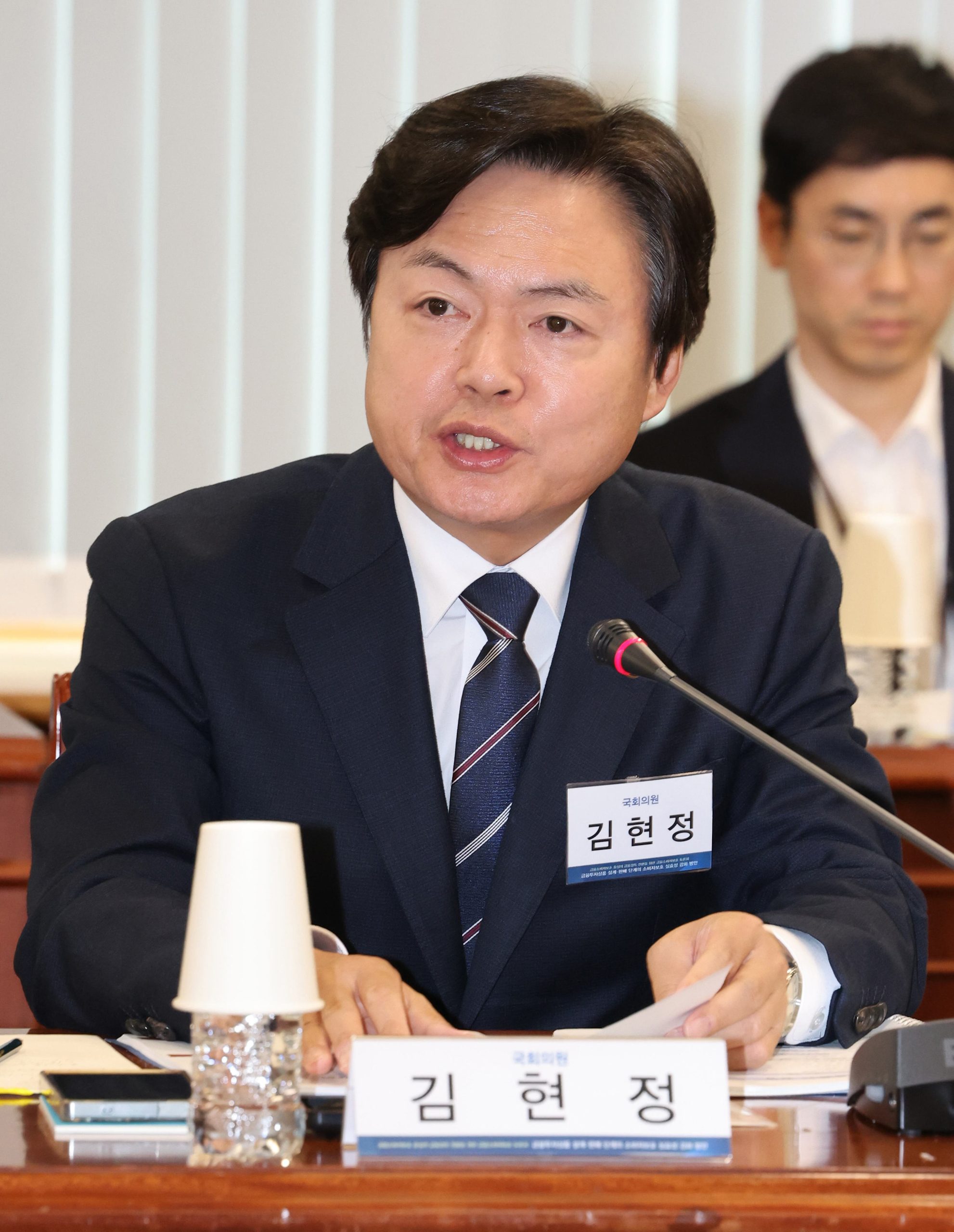
Kim Hyun-jung, the floor leader spokesperson of the Democratic Party, emphasized that the fact sheet represents a significant step forward for national interests. He pointed out that the document outlined a framework for 15% reciprocal tariffs, confirmed the principle of ensuring the semiconductor sector is not treated unfavorably, and excluded additional openings for sensitive agricultural products. Additionally, the discussion on building nuclear-powered submarines, which the People Power Party had previously pledged to support, was included in the document.
Kim further argued that the People Power Party’s criticism is contradictory, as they simultaneously acknowledged the fact sheet as positive in alleviating economic uncertainty while labeling it a “blank sheet with nothing gained.” He highlighted the party’s self-contradiction, noting their criticism of the president for causing political strife while now using the diplomatic achievement as a sacrifice for political conflict.
He also mentioned that public opinion diverges from the People Power Party’s stance, citing that six out of ten citizens evaluated the tariff negotiations as “well done,” with even more than half of the Yeongnam region responding positively. Kim warned that if the People Power Party continues to oppose public sentiment, the people will eventually abandon them.
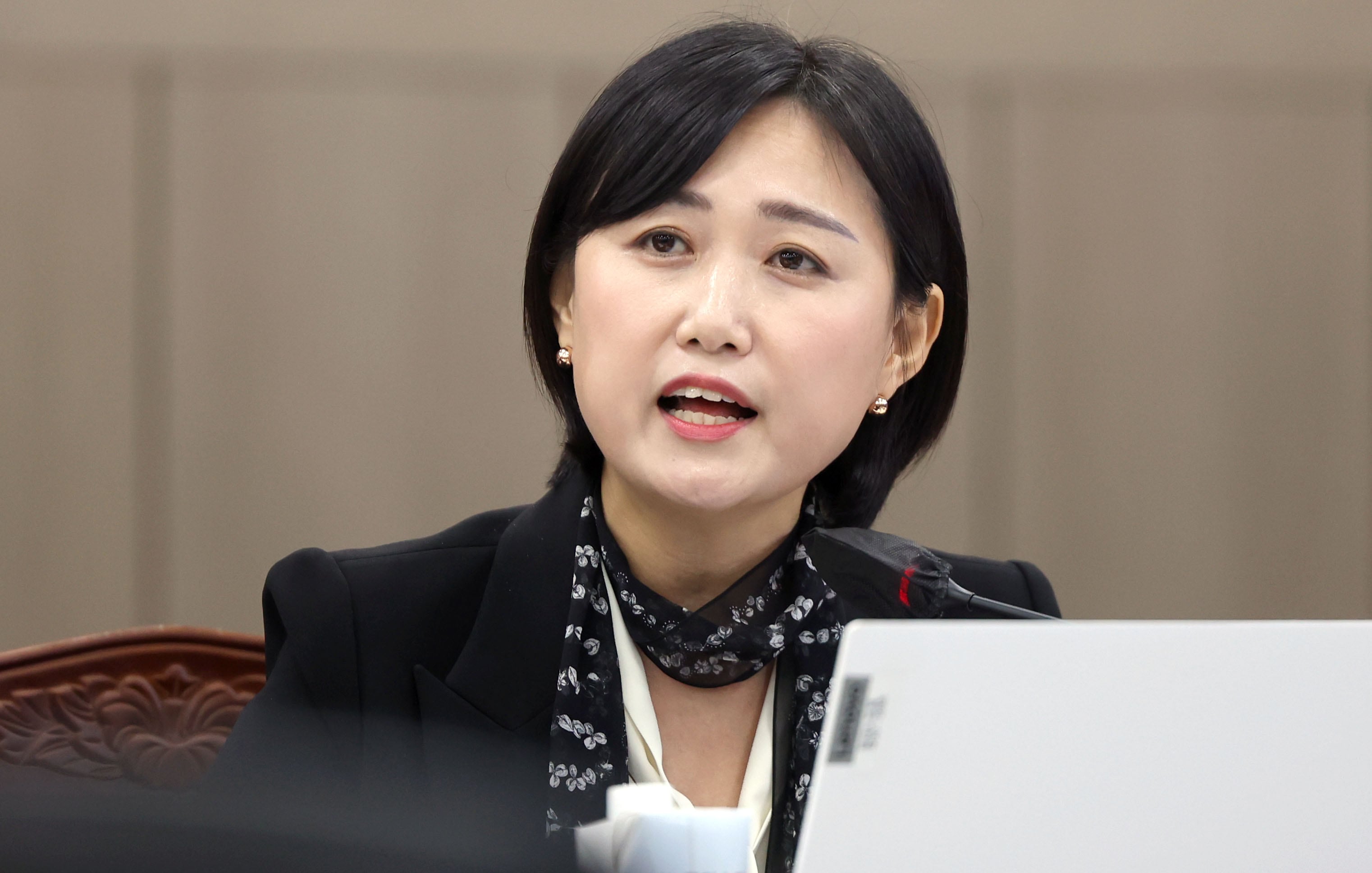
Baek Seung-ah, another floor leader spokesperson, echoed similar sentiments, stating that the People Power Party is distorting facts by calling the Korea-U.S. tariff negotiation fact sheet a “blank sheet” or a “humiliating negotiation.” She described this as a clear political intention to use diplomatic and security achievements as tools for political strife, which she said undermines the conservative symbol of the Korea-U.S. alliance.
Baek emphasized that the fact sheet is a “national interest sheet” that opens new horizons for Korea-U.S. cooperation. She highlighted the introduction of nuclear-powered submarines as a historic achievement for self-reliant national defense. She also claimed that the controversy over agricultural product openings is a malicious fabrication, asserting that there is no market opening, tariff reduction, or expansion of quotas anywhere in the fact sheet.
She warned that if the People Power Party blocks the legislation needed to implement the tariff negotiations through political strife, the people will ultimately make the party a “blank sheet.” Baek urged them to stop actions that sow discord over national interest through fact distortion.

Park Seung-hoon, the chief spokesperson of the People Power Party, expressed confusion over what was gained from the negotiation. He argued that instead of protecting national interest, the agreement left the country with enormous burdens and vague promises. He described the negotiation as “a mountain beyond a mountain” and “not over until it’s over.”
Park pointed out that no one has explained how to handle the most significant economic burden, particularly regarding the $350 billion investment in the U.S. Only guidelines have been presented, with specifics on timing, targets, and methods still unclear. He specifically noted that the government promised to invest $200 billion in cash, but there is no explanation on whether the country has the capacity to secure that amount without damaging foreign exchange reserves or handling investment losses.
He also criticized the government for remaining silent on the core contents of the negotiation that put the people’s taxes and assets at stake. Park pointed out several specific issues in the fact sheet, including the agricultural product opening clause, which he claimed exposed the government’s previous explanation that “there would be no opening” as a lie. He also highlighted the inclusion of issues related to South Korea’s digital sovereignty, such as network usage fees and online platform regulations.

Park concluded that the burden on the people is clear, but the actual benefits remain unverified. He emphasized that the Constitution grants the National Assembly the duty to verify such agreements on behalf of the people and called for transparency through the parliamentary ratification process. He warned against allowing the Lee Jae-myung administration’s unilateral actions to impose a financial burden of 10 million won per citizen without public consent.
Choi Soo-jin, the chief floor spokesperson of the People Power Party, questioned the government’s stance, pointing out that President Lee Jae-myung had previously stated that agreeing to a $350 billion investment in the U.S. would lead to his impeachment. Choi demanded a clear explanation of how the current investment differs from that situation.
Regarding this, Choi noted that the government has not clearly explained key issues such as the need to cover $200 billion in cash out of the $350 billion, the method of securing $20 billion annually, concerns about damaging foreign exchange reserves, and safety measures in case of investment losses. She added that the annual $20 billion exceeds twice the Bank of Korea’s foreign currency management revenue of 12.8 trillion won, raising concerns about the impact on financial and foreign exchange markets. She warned that this could lead to national financial burdens such as government bond issuance or additional borrowing.

Related posts:

Mother Suffers Daily Allergic Attacks After Drinking Contaminated Coffee Syrup


Challenges of Climate Change in Africa and Lessons from China’s Green Revolution

Senate joint committee finally holds hearing on Ivanhoe deal

True measure of leadership lies not in power, privilege, pageantry – Tinubu at book presentation