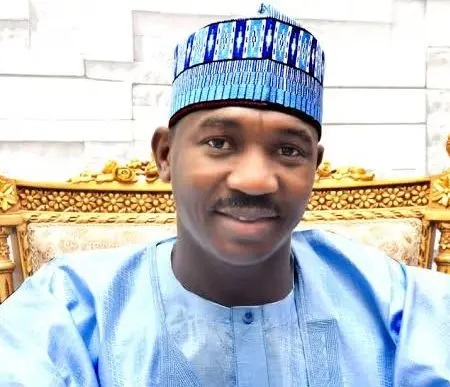
A Shift in Sokoto’s Political Landscape
At the beginning of Governor Ahmad Aliyu Sokoto’s administration, the state was marked by a constant stream of criticism. The supporters of the former governor, now Senator Aminu Waziri Tambuwal, seemed determined to challenge every decision made by the new technocrat. Their efforts were loud and persistent, creating an environment where opposition was almost unavoidable. However, nearly three years into Aliyu’s tenure, this noise has significantly diminished. The once vocal critics have largely disappeared from public discourse, leaving many to wonder: did their financial backing dry up, or did they simply run out of arguments?
The answer lies not in any sudden change but in a more straightforward shift. Performance has taken precedence over propaganda. While the opposition focused on spreading dissent, Governor Aliyu remained committed to his work. Instead of engaging in political battles, he concentrated on delivering tangible results that people could see and feel. This focus on outcomes has transformed the political landscape in Sokoto.
Security Reforms and Community Safety
One of the most notable areas of improvement has been in security. Rather than making empty promises, Governor Aliyu implemented practical solutions. His administration distributed a large number of patrol vehicles to security agencies across the state and established a supplementary Community Guard Corps to enhance local security efforts. These initiatives have had a real impact, with patrol vans actively patrolling areas that once felt unsafe. The presence of these units has helped restore a sense of security among residents.
In addition to ground-level efforts, the state government has also invested in structural solutions. Support for the Nigerian Air Force in Sokoto has improved aerial surveillance and response capabilities. A new military facility in Illela, a strategically vulnerable border area, has further strengthened regional security. These measures have not only enhanced safety but also signaled a commitment to long-term stability.
Supporting Frontline Personnel
The governor’s approach extends beyond infrastructure to the men and women who serve on the front lines. Increased allowances and improved welfare packages for security personnel in volatile areas have boosted morale and motivation. A well-supported security force is more likely to remain vigilant and effective. This attention to the needs of frontline workers has helped rebuild trust between the government and communities that have long felt neglected.
Infrastructure Development and Economic Growth
Beyond security, infrastructure development has become a key focus of Aliyu’s administration. A comprehensive rehabilitation program for township and rural roads has transformed daily life for many residents. Improved roads have facilitated trade, healthcare access, and agricultural productivity. The ongoing housing and urban development projects have further contributed to economic growth and community well-being.
Energy and Healthcare Improvements
Energy provision has also seen significant progress. The completion of a major Independent Power Project has brought reliable electricity to several local government areas that previously suffered from power shortages. This has had a ripple effect, encouraging business activity and investment in the region.
Healthcare and education have not been overlooked either. Renovations and upgrades to hospitals and schools have made essential services more accessible, particularly in rural areas. These improvements have restored faith in government among communities that have long struggled with inadequate facilities.
Emergency Response and Public Engagement
When emergencies occur, Governor Aliyu has demonstrated a hands-on approach. His direct engagement with affected communities, including displaced families, has reinforced the perception of a leader who is present and responsive. The rapid delivery of relief items and support during crises has further solidified public confidence.
Recognition and Changing Political Dynamics
The governor’s efforts have not gone unnoticed. Awards and commendations from external sources have added credibility to his administration’s achievements. These acknowledgments help shift the narrative from partisan conflict to administrative competence, limiting the space for baseless criticism.
The Future of Opposition in Sokoto
While some critics will always exist, the current political climate in Sokoto reflects a shift in priorities. The electorate is increasingly focused on tangible improvements rather than political rhetoric. As the governor continues to deliver on his promises, the influence of opposition voices diminishes.
In conclusion, the transformation in Sokoto under Governor Aliyu’s leadership highlights the power of performance over propaganda. By focusing on measurable outcomes, he has redefined the political conversation in the state. The quiet evidence of improvement in daily life speaks louder than any political slogan. For now, the opposition’s silence is a testament to the effectiveness of this approach.


