The Hidden Dangers of Plaque and Its Impact on Oral and Overall Health
Whitening toothpastes, strips, and UV-lights have made it easier than ever to achieve a bright, Hollywood-style smile. However, this focus on aesthetics can sometimes distract from the more critical issue of oral health—specifically, the dangers posed by plaque. Plaque is a sticky film of bacteria that constantly forms on our teeth and gums. If left unchecked, it can lead to serious problems such as tooth decay, cavities, and inflamed gums.
Dr Kabir Bhogal, principal dentist and founder of Revive Clinic, emphasizes that plaque is not just a cosmetic concern—it’s a major threat to overall oral health. He explains that plaque can affect the entire body, contributing to conditions ranging from bad breath to tooth loss.
The Role of the Immune System in Fighting Plaque
The body’s first line of defense against plaque is its immune system. However, for some individuals, the combination of bacterial plaque and the body’s inflammatory response can cause teeth to become loose and eventually fall out. For others, it simply means more frequent visits to the dental hygienist.
Genetics play a role in how plaque affects your teeth and mouth, but factors like general oral hygiene, diet, smoking, and alcohol consumption are also significant contributors. Moreover, bacteria from the mouth don’t stay confined to the oral cavity—they can travel through the bloodstream, affecting every major organ and potentially causing wider health issues.
The Consequences of Leaving Plaque Untreated
If plaque is allowed to build up, it can lead to a range of serious problems:
Gum Irritation
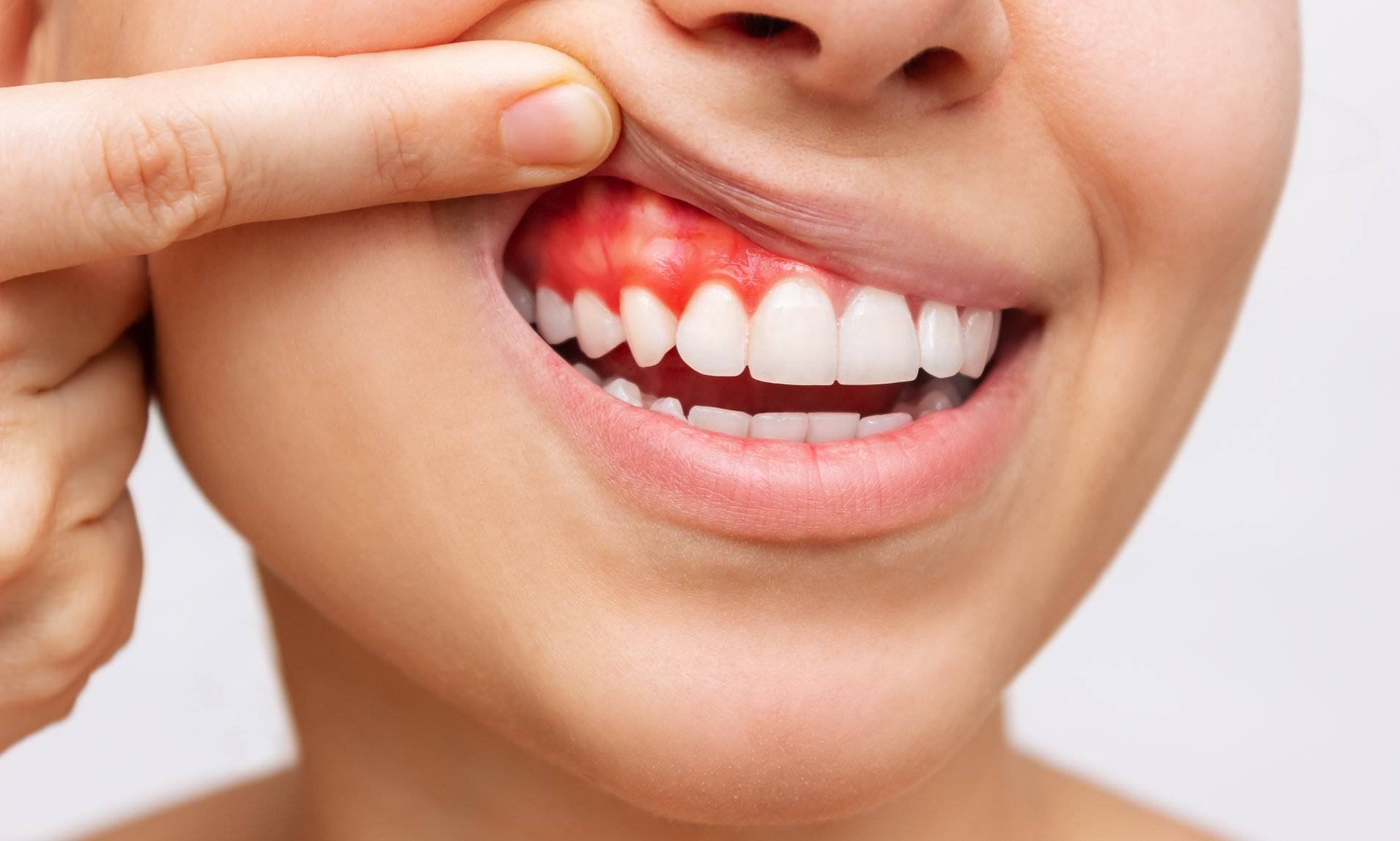
Good gum health is essential for overall well-being. Gum irritation can progress to gum disease, which can cause bad breath, receding gums, infections, tooth decay, and even tooth loss. Plaque is one of the primary irritants for gums.
Plaque is a thick, sticky film that clings to tooth surfaces. These bacteria feed on leftover food particles and sugar, producing adhesives that make plaque removal difficult without professional cleaning. Once it accumulates along the gumline, the bacteria release acids and toxins that can damage gum tissue over time.
This chronic inflammation can trigger systemic issues, leading to a variety of serious health problems. The first signs of this may be puffy, swollen, and bleeding gums. Prolonged inflammation can cause gum tissue to detach from the tooth, forming periodontal pockets where harmful bacteria can thrive. If left untreated, this can lead to tooth loss.
Persistent Bad Breath
Persistent bad breath, or halitosis, can also be caused by poor oral hygiene and plaque buildup. While gum disease is often the culprit, it can also result from missed areas during brushing or even from using mouthwash. Many mouthwashes contain alcohol, which dries out the mouth and reduces saliva production. Saliva helps wash away bacteria and food particles, so a dry mouth allows odor-causing bacteria to thrive.
Enamel Wear
When plaque metabolizes sugars in the mouth, it erodes the protective outer layer of the teeth, known as enamel. Although enamel is the hardest tissue in the body, it cannot repair itself when damaged, leaving teeth vulnerable to cavities and decay. This thinning exposes the underlying dentin, making teeth more sensitive and increasing the risk of cavities.
Over time, enamel wear can also affect the appearance of teeth, leading to discoloration, patchiness, or yellowing. To address this, Dr Bhogal suggests minimally invasive solutions such as veneers, onlays, or composite bonding.
Tooth Loosening
Research shows that poor oral hygiene can lead to a range of acute and chronic illnesses. When plaque hardens into tartar, it becomes a tougher film that makes it easier for bacteria to cling to the teeth. This can cause gums to recede and connective tissue to break down, ultimately leading to loose teeth. If left untreated, teeth may eventually fall out.
Early Gingivitis
Gingivitis is the first stage of gum disease, typically marked by swollen and bleeding gums. If left untreated, it can lead to persistent swelling or soreness, making brushing uncomfortable or even painful. At this stage, the damage can still be reversed with proper oral care and regular dental checkups. However, if it progresses, it can develop into periodontitis, an advanced form of gum disease that affects around 10% of adults in the UK.
Bone Loss Risk
As gingivitis escalates to severe gum disease, it can impact the jawbone and the connective tissues that hold teeth in place. Chronic inflammation releases enzymes that break down surrounding bone and tissue over time. Signs include wide gaps between the teeth and changes in bite, which can cause teeth to shift or become misaligned.
While managing advanced gum disease can cost thousands of pounds, the good news is that it can be prevented for free with proper brushing and regular professional cleanings.


Related posts:

Fiction park: He was the best in class. He still wasn’t good enough

Gagan Thapa takes oath as Congress president, vows to regain public trust

Inside knowledge that has locals gripped by fear after gran’s body found decomposing in cattle dip

New property purchase disclosure rule in Japan sparks fears it may curb foreign investment

Dino-mite treasures: inside Singapore’s Fort Knox storing playthings of ultra-rich