The Rising Concern Over Weight Loss Jabs and Their Fatal Consequences
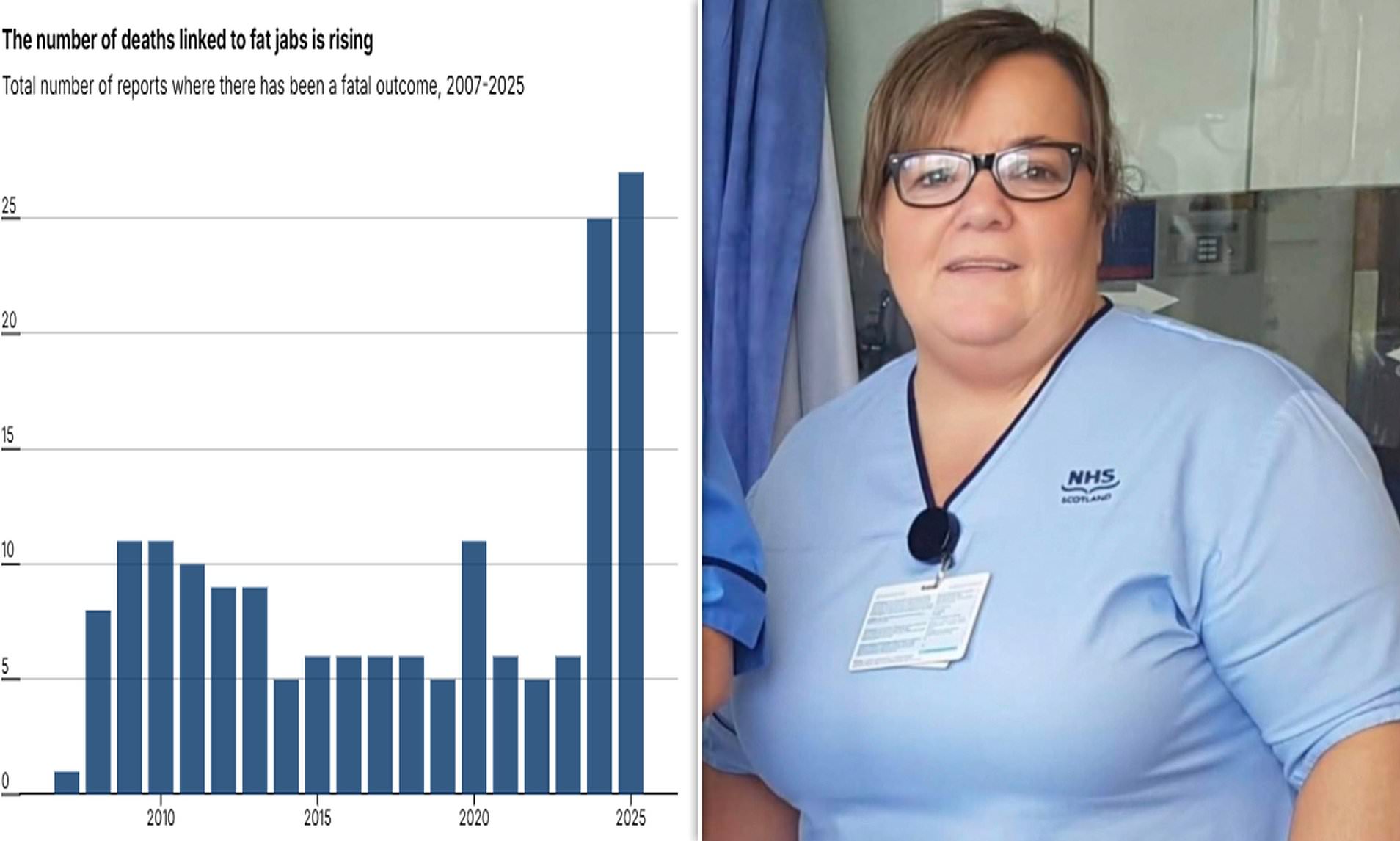
Recent reports have raised alarms about the potential dangers associated with GLP-1 injections, a class of drugs that includes popular weight loss medications such as Ozempic, Mounjaro, and Wegovy. According to data from the Medicines and Healthcare products Regulatory Agency (MHRA), there have been 52 fatal reports linked to these drugs since the beginning of 2024. This has sparked concerns among health experts, who warn that the true number of deaths may be higher due to underreporting.
The MHRA’s Yellow Card scheme, which allows patients, healthcare professionals, and others to report adverse drug reactions, has received a total of 173 reports involving fatalities related to GLP-1 injections. However, it is important to note that a death reported to the MHRA does not necessarily mean the drug caused it. Factors such as pre-existing conditions or other medications taken at the time of death could also play a role.
Despite these concerns, the popularity of GLP-1 injections continues to rise. Estimates suggest that 1.5 million people in the UK are taking weight loss jabs through private online pharmacies, while 200,000 are doing so through the NHS. These drugs have gained traction for their ability to help individuals lose significant amounts of weight, but they also come with risks.
Milder side effects include headaches, vomiting, and diarrhea, while more serious complications can involve gallstones, kidney stones, and inflammation of the pancreas. In some cases, these side effects can lead to life-threatening conditions. Two of the reported deaths involved adults in their 20s, with the majority occurring among middle-aged individuals. Specifically, eight deaths were recorded in people in their 30s, 15 in their 40s, and 37 in their 50s.


Experts like Tam Fry, chair of the National Obesity Forum, argue that while these drugs are effective for those who truly need them, they are being misused by individuals who do not have obesity-related health issues. He warns that using these medications without medical supervision can lead to severe complications or even death. “People think ‘it won’t happen to me,’ but it will,” he said.
The issue of misuse is further compounded by the ease with which these drugs can be obtained. Some individuals have tricked pharmacists into providing supplies by lying about their weight and height. Additionally, celebrity endorsements have contributed to the growing popularity of these drugs. Kim Kardashian and Lottie Moss, for example, have both been linked to the use of Ozempic, with Moss reportedly suffering an overdose after taking the drug.

Despite the risks, many doctors still view GLP-1 injections as a game-changer in the fight against obesity, which costs the UK economy an estimated £100 billion annually. However, they emphasize that these drugs should only be used under strict medical supervision for those with severe obesity.
The MHRA has implemented additional safety measures for newer drugs, including the Black Triangle symbol, which identifies medicines requiring extra monitoring. However, experts argue that more needs to be done to regulate the distribution and use of these medications.
Concerns about counterfeit versions of the drugs being sold online have also emerged, with illegal knock-offs often advertised on social media platforms. While the government has recognized the potential benefits of these drugs, officials stress that they should not be used as a quick fix for weight loss.

In response to the growing concerns, the MHRA has reiterated its commitment to monitoring the safety of GLP-1 medicines. Dr. Alison Cave, the agency’s Chief Safety Officer, emphasized that the benefits of these drugs outweigh the risks when used for their licensed indications. She also noted that a report with a fatal outcome does not necessarily mean the drug caused the death, only that there is a suspicion.
Pharmaceutical companies such as Novo Nordisk and Eli Lilly have also highlighted their commitment to patient safety, stating that they continuously collect safety data and work closely with regulatory authorities to ensure the well-being of users.
As the debate over the safety and regulation of GLP-1 injections continues, one thing remains clear: while these drugs offer hope for many, they also pose significant risks that must be carefully managed.

Related posts:

Fiction park: He was the best in class. He still wasn’t good enough

Gagan Thapa takes oath as Congress president, vows to regain public trust

Inside knowledge that has locals gripped by fear after gran’s body found decomposing in cattle dip

New property purchase disclosure rule in Japan sparks fears it may curb foreign investment

Dino-mite treasures: inside Singapore’s Fort Knox storing playthings of ultra-rich