A New Era for Nepali Cricket
Nepal is entering a new chapter in its cricketing journey with the start of the second Nepal Premier League (NPL) on November 17. The event marks the official inauguration of the upgraded TU International Cricket Stadium, now equipped with state-of-the-art floodlights. This development not only enhances the spectator experience but also signals a shift towards more professional and globally competitive cricket in the region.
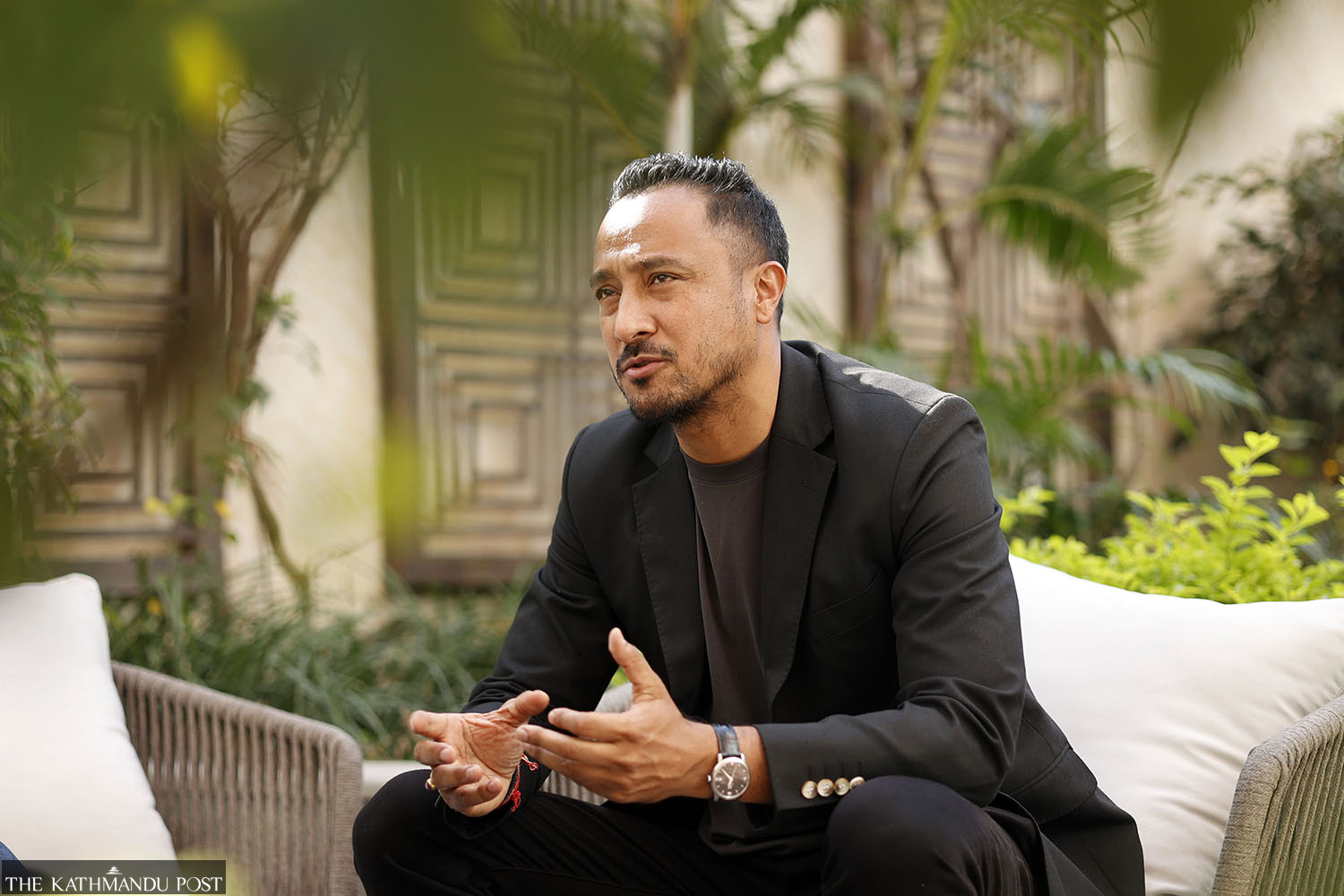
At the heart of this transformation is Paras Khadka, a legendary figure in Nepali cricket. Once a captain who led the national team in their first T20 World Cup appearance in 2014, Khadka now serves as the secretary of the Cricket Association of Nepal (CAN). His leadership is pivotal in shaping the direction of the NPL, which has grown significantly since its debut.
High Expectations and Challenges
Khadka acknowledges the high expectations surrounding the second season of the NPL. He highlights that CAN has worked diligently to meet these expectations, despite challenges such as delays caused by the monsoon season. The stadium upgrades were completed in record time, and the venue now looks impressive, capable of hosting up to 10,000 spectators.
The franchises have managed to bring in notable international players, even under ICC restrictions. However, managing the growing expectations of the public remains a challenge. While the league aims to build on the success of the previous season, there are logistical hurdles, particularly in coordinating with various stakeholders across the country.
Building a Sustainable Model
Infrastructure plays a crucial role in the sustainability of the NPL. Khadka explains that the league’s future depends on continued investment in stadiums and facilities. The second and third phases of the TU Stadium upgrades are already planned, which will allow for revenue generation through ticket sales, broadcasting rights, and advertisements. These funds will be reinvested into provincial and district cricket, helping to develop the grassroots of the sport.
The decision to partner with Star Sports instead of local broadcasters was made to elevate the profile of Nepali cricket. Khadka emphasizes that the goal is not to exclude local media but to take the sport to new heights. He also notes that while the NPL is still in its early stages, its potential is immense, and maintaining momentum is key to attracting bigger investors and players in the future.
Expanding Beyond Kathmandu
One of the long-term goals is to adopt a home-and-away format, which would require decentralizing matches outside Kathmandu. Khadka believes this could be achievable by the fourth season if the government provides full support. However, current infrastructure and logistical challenges make it difficult to implement this model immediately.
Managing training grounds for the franchises has also been a challenge. Khadka states that while equal access is important, the franchises understand the limitations and have signed long-term contracts, showing confidence in the project. He also mentions that once CAN becomes financially stronger, it can provide better resources to support both provincial and franchise levels.
Financial Transparency and Broadcasting Issues
Financial transparency has been a topic of discussion, but Khadka assures that the focus remains on developing Nepali cricket. He acknowledges that discussions and questions are normal in a new venture, but he is confident that the league’s brand value is growing alongside Nepal’s global cricketing identity.
Broadcasting and OTT rights have also faced scrutiny. Khadka explains that the selection process followed institutional procedures, and decisions were based on technical capacity, server infrastructure, and realistic revenue models. He emphasizes that the goal is to align with the long-term vision of the league, even if it means not satisfying everyone.
Global Recognition and Future Goals
The NPL has already gained international attention, with stars like Jimmy Neesham, Faf du Plessis, and Chris Lynn joining the league. Khadka believes that the league’s appeal is growing, and more international players are expressing interest. However, economic strength is needed to attract them all.
For an Associate nation, the achievements of the NPL are significant. Khadka sees it as a step toward establishing Nepal as a strong cricketing hub. He also expresses his dream of seeing Nepal play in the ODI World Cup and earn Test status, emphasizing that the foundation is being laid for future success.
The Role of Fans
Fans play a vital role in the success of the NPL. Khadka describes them as the “12th man” and highlights their importance in attracting investors. He also mentions the subscription model for OTT services, which not only supports cricket development but also helps in understanding the size of the audience. Proper seating and ticketing systems are essential for this process.
Ultimately, the love and support from fans are seen as a blessing. Khadka believes that the number of people understanding and following cricket is increasing, and this continuous growth is crucial for the sport’s future in Nepal. While there are hurdles to overcome, the NPL represents a promising step forward for Nepali cricket.


