The Upcoming Budget: A Comprehensive Overview of Expected Tax Hikes and Policy Changes
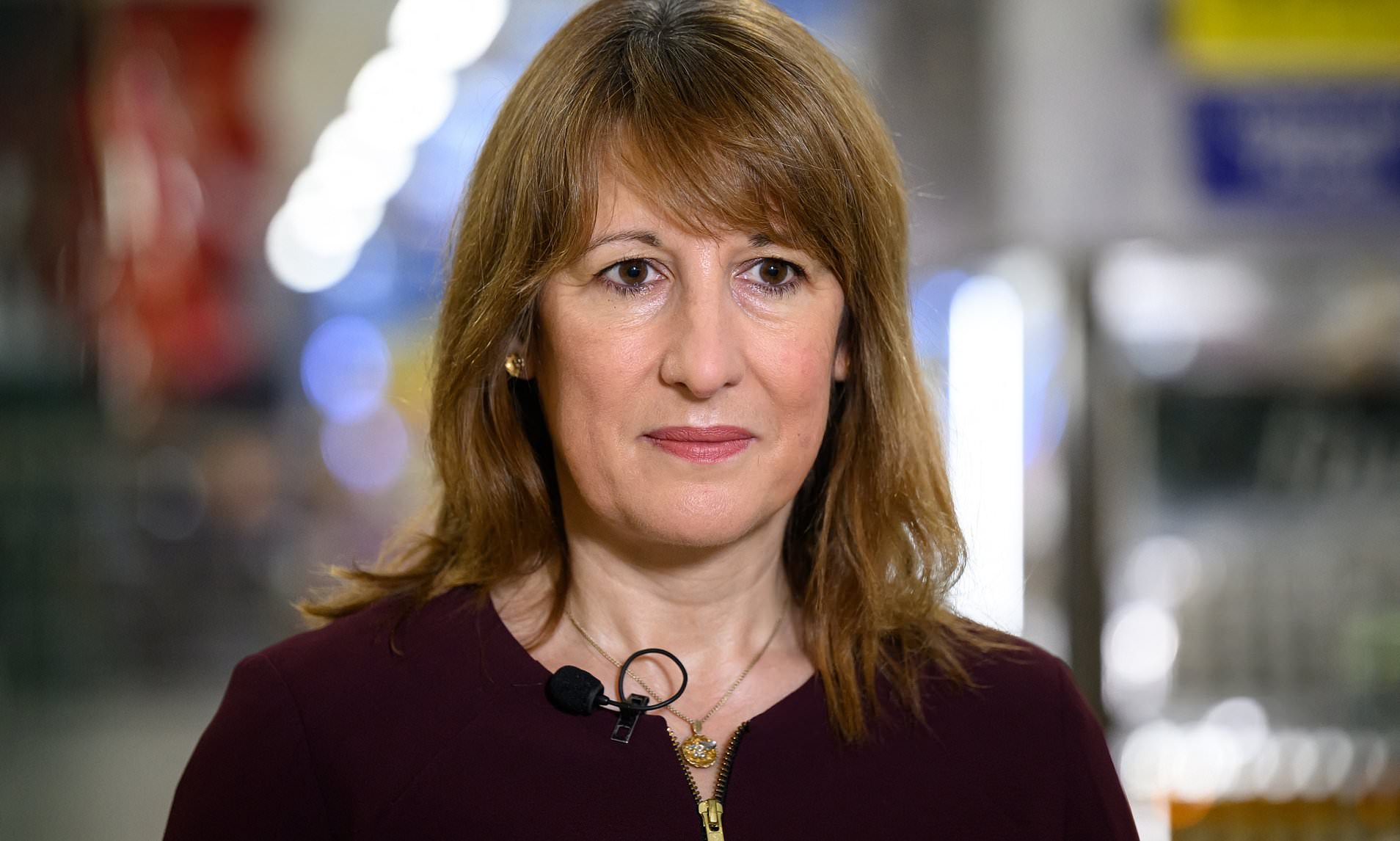
Rachel Reeves, the Chancellor of the Exchequer, is set to deliver her second Budget on Wednesday, November 26. This event has been anticipated with a mix of concern and curiosity as Britons brace for another round of tax hikes and fiscal adjustments. Economists have criticized the preparations for this Budget, calling it a “shambles.” The uncertainty surrounding these changes has already had an impact on economic growth, causing what some describe as “paralysis” among businesses and consumers.
Sir Lindsay Hoyle, the Speaker of the House of Commons, even made a humorous reference to the “hokey cokey” process, highlighting the chaotic nature of the previous budget decisions, particularly the U-turn on income tax.
A ‘Mansion Tax’ for High-Value Properties
One of the most notable expected measures is a new “mansion tax” targeting homeowners of properties valued over £2 million. This tax would be collected through council tax bills and could raise around £450 million for the Treasury. Over 100,000 properties would be affected by this charge. Homeowners may be allowed to defer paying the tax until they move house or pass away, which aims to prevent people from selling their homes to cover the cost.
Experts warn that this move could negatively affect the property market, especially at a time when the government is aiming to build 1.5 million more homes.
Freezing Income Tax Thresholds
The Chancellor is also expected to freeze income tax thresholds for an additional two years, extending the freeze until 2030. If National Insurance thresholds remain unchanged, this move could generate around £8 billion. Freezing income tax thresholds is often referred to as a “stealth tax,” as it effectively increases the number of people who pay tax or shifts them into higher tax brackets as wages rise.
A Raid on Workplace Pensions
Ms. Reeves is considering a significant raid on workplace pension schemes, targeting salary-sacrifice arrangements used by millions of private-sector workers. These schemes allow employees to reduce their monthly earnings in exchange for employer contributions to their pensions, which lowers their National Insurance liability. The Treasury is reportedly looking to cap the amount that can be sacrificed at £2,000, potentially saving £2 billion. However, there are concerns that this could lead to smaller pension pots for workers if implemented.

Pay-per-Mile Tax for Electric Vehicles
Another proposed measure is a 3p per mile tax on electric vehicles (EVs), which is estimated to increase the average annual cost of owning an EV by £276. This tax is intended to address the revenue gap caused by declining fuel duty as more drivers switch to EVs. To support the EV market, Ms. Reeves plans to add £1.3 billion to a grant that reduces the price of electric vehicles by up to £3,750. Additionally, £200 million will be allocated for the rollout of charging points.
Scrapping the Two-Child Benefit Cap
The Chancellor is widely expected to scrap the two-child benefit cap, which currently prevents parents from claiming Universal Credit or child tax credit for a third or additional child born after April 2017. This change would cost around £3.5 billion annually. While Labour MPs and charities have supported this move, the Conservatives have warned that it would be “irresponsible” given the current fiscal challenges.
In addition, working-age benefits such as Universal Credit, PIP, and child benefits are expected to be uprated in line with inflation, costing around £6 billion.
Cutting the ISA Limit
Ms. Reeves is also poised to reduce the annual cash ISA limit from £20,000 to £12,000. This move aims to encourage Brits to invest in stocks and shares instead of cash savings. However, the House of Commons Treasury committee has raised concerns that this could negatively impact the mortgage market, as building societies rely on cash ISA savings for lending.

Introducing a ‘Taxi Tax’
The Treasury has not ruled out imposing a 20% VAT on private hire fares, which could raise £750 million annually. Critics argue that this would disproportionately affect vulnerable groups, including women who rely on taxis for late-night travel.
A ‘Milkshake Tax’
Ms. Reeves is expected to introduce a ‘milkshake tax’ by ending the exemption for dairy-based beverages from the sugar tax. This move could see the threshold for taxing sugary drinks reduced from 5g to 4g per 100ml.
New Gambling Taxes
There are indications that the Chancellor may introduce new taxes on betting firms. Former Labour PM Gordon Brown has called for increased gambling taxes to help fund the scrapping of the two-child benefit cap. However, industry representatives have warned that such measures could drive gamblers to the black market.
Minimum Wage Rises
Finally, the Chancellor is expected to confirm a 4.1% increase in the minimum wage for workers over 21, raising it to around £12.71 an hour. The Low Pay Commission has recommended an 8% increase for workers aged 18-20, bringing their hourly rate to £10. Labour’s manifesto promised equal minimum wages for all adults.


