Personal Background and Activism
Ismail Adam, a human rights activist from Sudan, was born and raised in El-Fasher, Darfur. He pursued his higher education at Khartoum University, where he studied science. His journey as an activist began during high school, and since then, he has been deeply involved in trade unionism and advocacy for Sudan, particularly after the genocide that occurred between 2003 and 2006. Adam has worked with various organizations and grassroots groups to bring attention to the issues in Sudan. Currently, he resides in Toronto, Canada, and is married with four children. He works in the financial industry.
Family Situation in Darfur
Adam’s family situation in Darfur is dire. The last direct relative, his cousin, was killed about a month ago. The rest of his family managed to flee to neighboring areas, with some crossing into Libya. The situation is catastrophic, with many people trapped inside the region.
Humanitarian Crisis and Food Aid
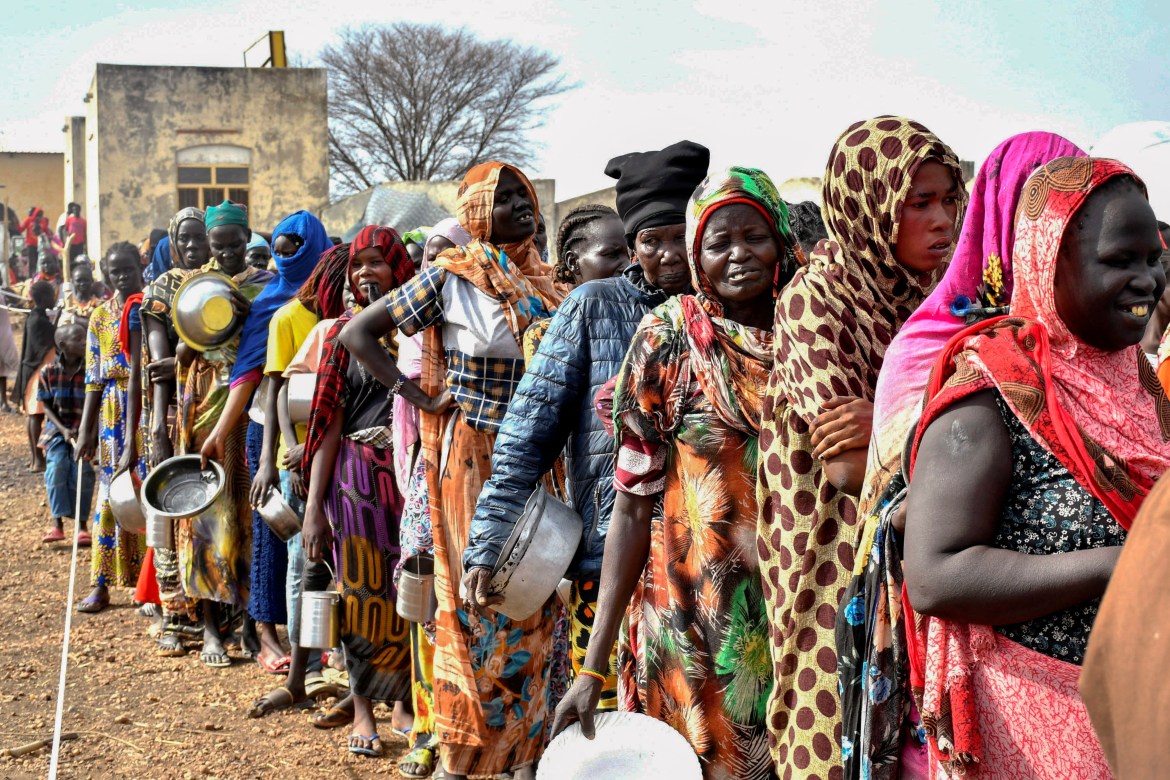
The humanitarian crisis in Sudan is severe, with international organizations reporting that only about 10% of the needed food rations have reached the country. Adam notes that nothing has entered in the past 18 months, leading to widespread starvation. The RSF (Rapid Support Forces) have attacked maternity hospitals, killing over 500 people. Without media coverage or international engagement, these atrocities continue.
Media Coverage and International Attention
Adam believes that the media has shifted its focus to other conflicts such as Ukraine and Gaza, leaving Sudan almost off the radar. He emphasizes the importance of media coverage in highlighting the ongoing violence, including attacks on internally displaced people (IDP) camps and sexual violence. Villages and towns have been completely demolished, and the international community has not helped displaced people settle back.
Political Transition and Civil Society
After the fall of Omar al-Bachir in 2019, Adam felt cautious hope. The youth-led revolution was successful, but the military and Islamist groups remain influential. The transition government aimed to dismantle years of corruption, but progress has been slow. Adam feels that civil society must be included in negotiations to ensure lasting peace.
International Community and Civil Society
Adam criticizes the exclusion of civil society in negotiations, noting that in past peace processes, such as in Sierra Leone and Rwanda, civil society played a crucial role. He calls for the inclusion of civil society in Sudan’s peace process, emphasizing that they are the people who need to take the country back.
Fact-Finding Teams and Resource Control
A fact-finding team is essential to document atrocities, especially given the rapid burial of evidence by the RSF. Adam mentions the use of satellite technology to document areas, similar to past efforts. He also highlights the importance of regulating the gold trade, which is heavily involved in the conflict. Countries like the UAE, Saudi Arabia, and Egypt are complicit in funding the RSF.
Human Rights Violations and Arms Embargo
Sexual violence is a tool of war, and without media coverage, perpetrators operate freely. Adam calls for immediate access to humanitarian aid and the cessation of arms shipments to the region. Coercive diplomacy is necessary to stop the conflict.
Grassroots Efforts and Donations
Despite the challenges, young people in Sudan continue to show courage through initiatives like soup kitchens. Adam’s Darfur Diaspora Association works with Canadian organizations to raise funds and support these efforts. They have sent $80,000 to keep the kitchens running, but more support is needed.
International Support and Donations
Adam acknowledges the difficulty in securing contributions beyond the Sudanese diaspora. He encourages donations to mutual aid societies, noting that even small amounts can make a significant difference. The New York Times columnist Nick Kristof has agreed to match donations, potentially multiplying their impact.
Conclusion
Adam expresses gratitude for the opportunity to share his story and emphasizes the importance of international support in addressing the crisis in Sudan. He believes that collective efforts can make a difference in bringing about lasting peace and relief for the affected communities.


