Understanding the Current Foreign Exchange Crisis
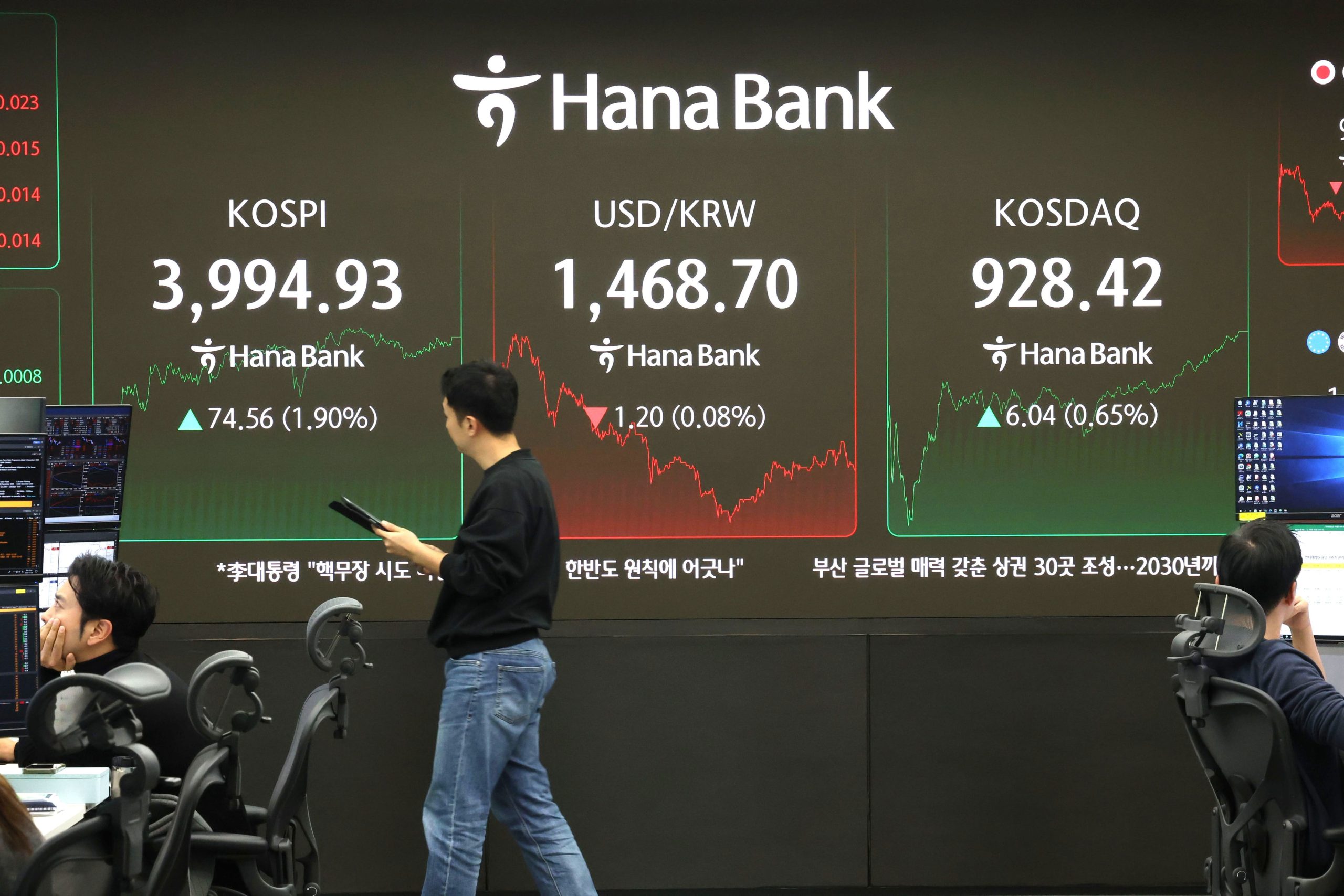
The recent surge in the dollar-to-won exchange rate in the Seoul forex market has raised concerns among foreign exchange experts. They have labeled this situation as a “third foreign exchange crisis,” citing the government’s struggle to stabilize the market due to a structural shortage of foreign reserves. The won’s decline against the dollar is attributed to a lack of liquidity in the market, which further complicates the government’s efforts.
Exchange rates are influenced by the demand and supply dynamics of dollars and won in the forex market. To prevent a foreign exchange crisis, interest rates must be increased to curb the outflow of dollars and encourage inflows. Additionally, fiscal tightening is necessary to reduce the money supply and strengthen the won. However, U.S. President Donald Trump’s pressure for investment in the U.S. has left available foreign reserves for short-term market adjustments effectively at zero. Analysts also point to President Lee Jae-myung’s public commitment to massive fiscal deficits and money printing as exacerbating the crisis.
The First Foreign Exchange Crisis
The first foreign exchange crisis occurred primarily due to President Kim Young-sam’s ambition to achieve economic milestones and the mismanagement of foreign reserves by officials at the Ministry of Finance and Economy. In 1997, President Kim aimed to reach a per capita income of $10,000 in his final year in office. His economic advisors, influenced by the semiconductor boom in the mid-1990s, insisted on maintaining a low exchange rate despite a massive $23.8 billion current account deficit in 1996.
In July 1997, the Asian financial crisis, which began in Thailand, spread northward. Foreign media reported that while Korea’s foreign reserves appeared to be hundreds of billions of dollars on paper, only $2 billion was actually available, as funds lent to financial institutions and corporations could not be recovered quickly. This signaled a potential sovereign default. Investors began withdrawing funds from Korea, causing the dollar-to-won exchange rate to skyrocket. Korea narrowly avoided bankruptcy by requesting an emergency bailout from the IMF (International Monetary Fund).
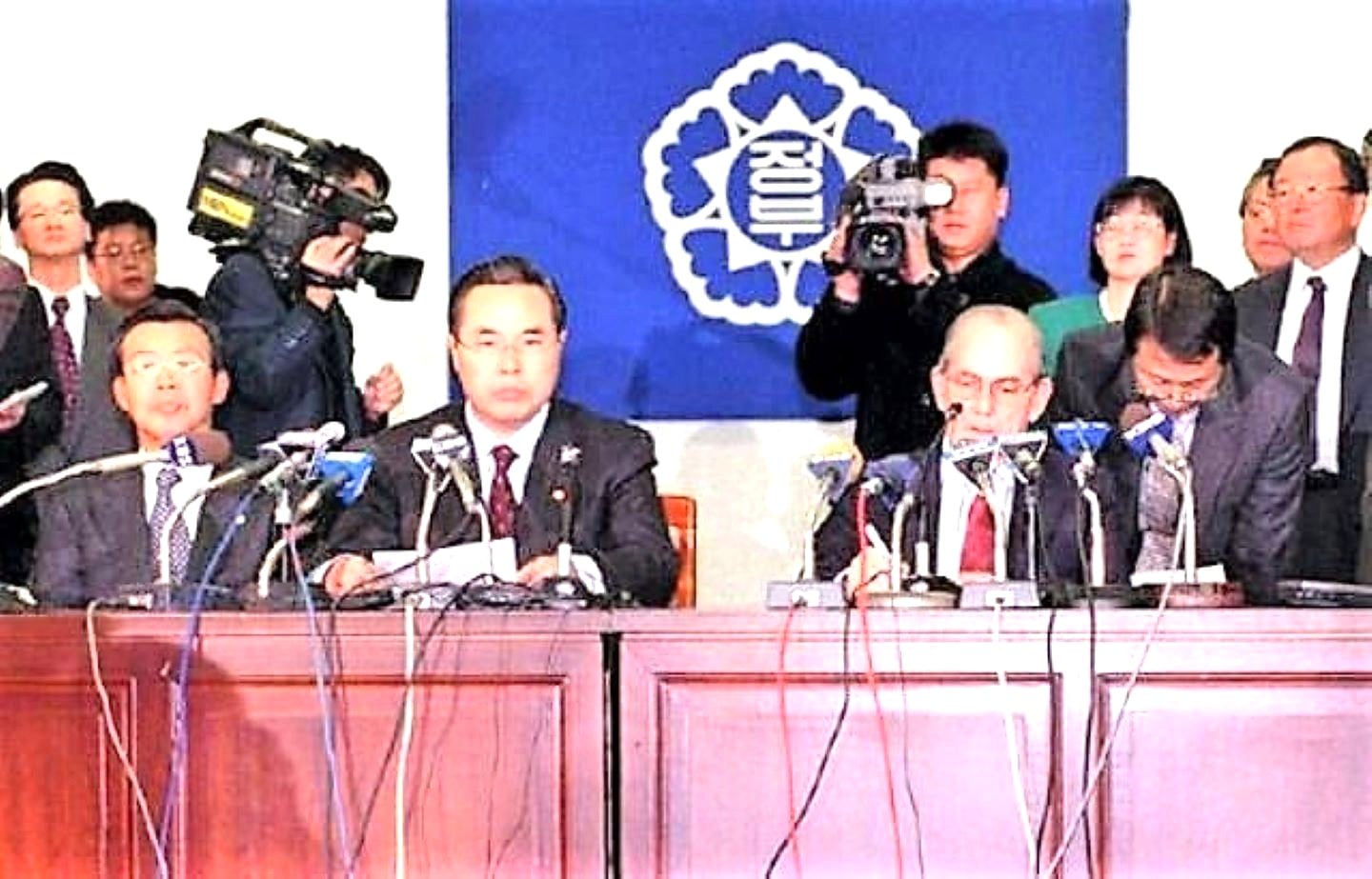
In exchange for the bailout, the IMF demanded harsh structural adjustments. It pressured the Bank of Korea to raise its call rate (the current base rate) from 12% at the end of 1996 to 40% to attract dollar inflows by offering high returns to foreign investors. The Korean government immediately raised it to 30%. The IMF also mandated financial and corporate restructuring and restricted fiscal deficits to ensure the government could repay the bailout. The Korean economy suffered severely as a result.
The first crisis was resolved when the U.S. White House, prioritizing the ROK-U.S. alliance, pressured Wall Street financiers to agree to extend Korea’s debt maturities. Korea successfully issued government bonds thanks to the strong fiscal foundation established by Presidents Chun Doo-hwan, Roh Tae-woo, and Kim Young-sam, using the funds to rebuild the collapsed economy. As accountability investigations began, officials quietly added ordinary citizens—who had enjoyed cheap dollar travel due to the low exchange rate—to the list of those responsible.
The Second Foreign Exchange Crisis
The second foreign exchange crisis emerged during the 2008 global financial crisis triggered in New York. Exchange rates worldwide, including Korea’s, fluctuated violently. Fortunately, Korea’s experience overcoming the first crisis proved invaluable. The economic team, which had secured ample foreign reserves, intervened to stabilize the market whenever psychological imbalances occurred. While sufficient reserves could not reverse the upward trend in exchange rates, they significantly reduced market fears of a second crisis.
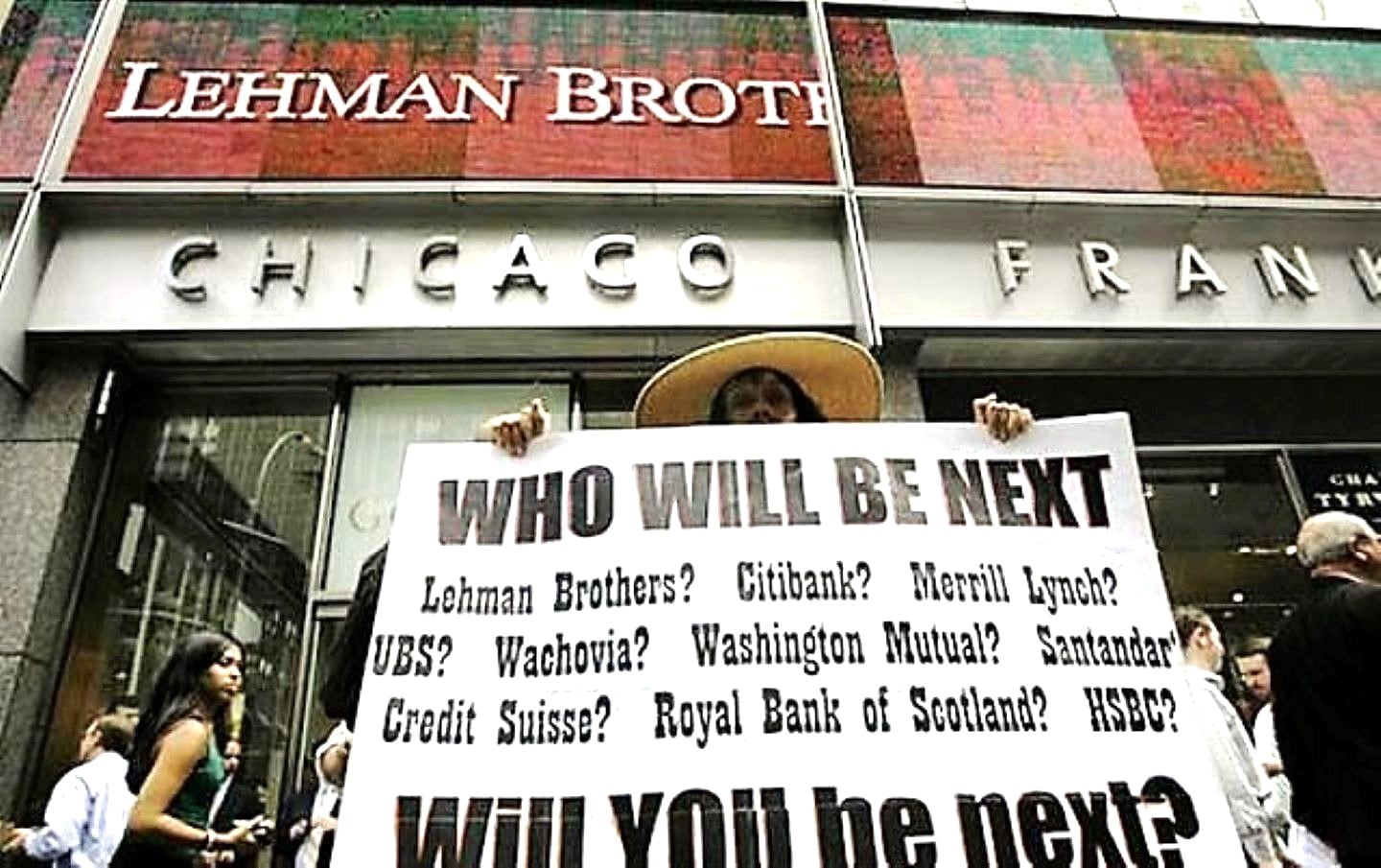
The government’s economic team struggled to preserve foreign reserves, opting to tolerate exchange rate increases rather than deplete reserves. President Lee Myung-bak emphasized securing cash during the crisis and ordered the economic team to prioritize dollar acquisition. As in the first crisis, the solution came from the U.S.: the Federal Reserve expanded currency swap agreements to address the global crisis, and Korea was fortunately included. After the announcement of the ROK-U.S. currency swap, the exchange rate fell, and the Seoul forex market rapidly stabilized.
Signs of a Third Foreign Exchange Crisis
Foreign exchange experts argue that the current situation resembles the first crisis more than the second, as U.S. President Trump’s demands for investment have strained Korea’s foreign reserves.
Under the ROK-U.S. investment agreement, Korea will invest $350 billion (approximately 514 trillion Korean won) in the U.S., with $150 billion allocated to direct investments like rebuilding the U.S. shipbuilding industry. The remaining $200 billion must be remitted over 10 years at an annual rate of $20 billion. How will the Korean government secure $20 billion annually? The government plans to first use interest income from the Bank of Korea’s foreign reserves and returns from the Korea Investment Corporation’s (KIC) overseas investments. If insufficient, it will issue dollar-denominated government or public bonds.
Experts focus on this point. Calculations show: Korea’s foreign reserves stood at $430.7 billion as of the end of November. If fully invested in 10-year U.S. Treasuries, this would yield an annual 4.1% return, generating $17.7 billion. Additionally, if KIC’s $65.7 billion in bond investments (out of $206.5 billion total assets as of last year) were similarly invested, it would yield an extra $2.7 billion annually. Combined, this would cover the $20 billion annual remittance.
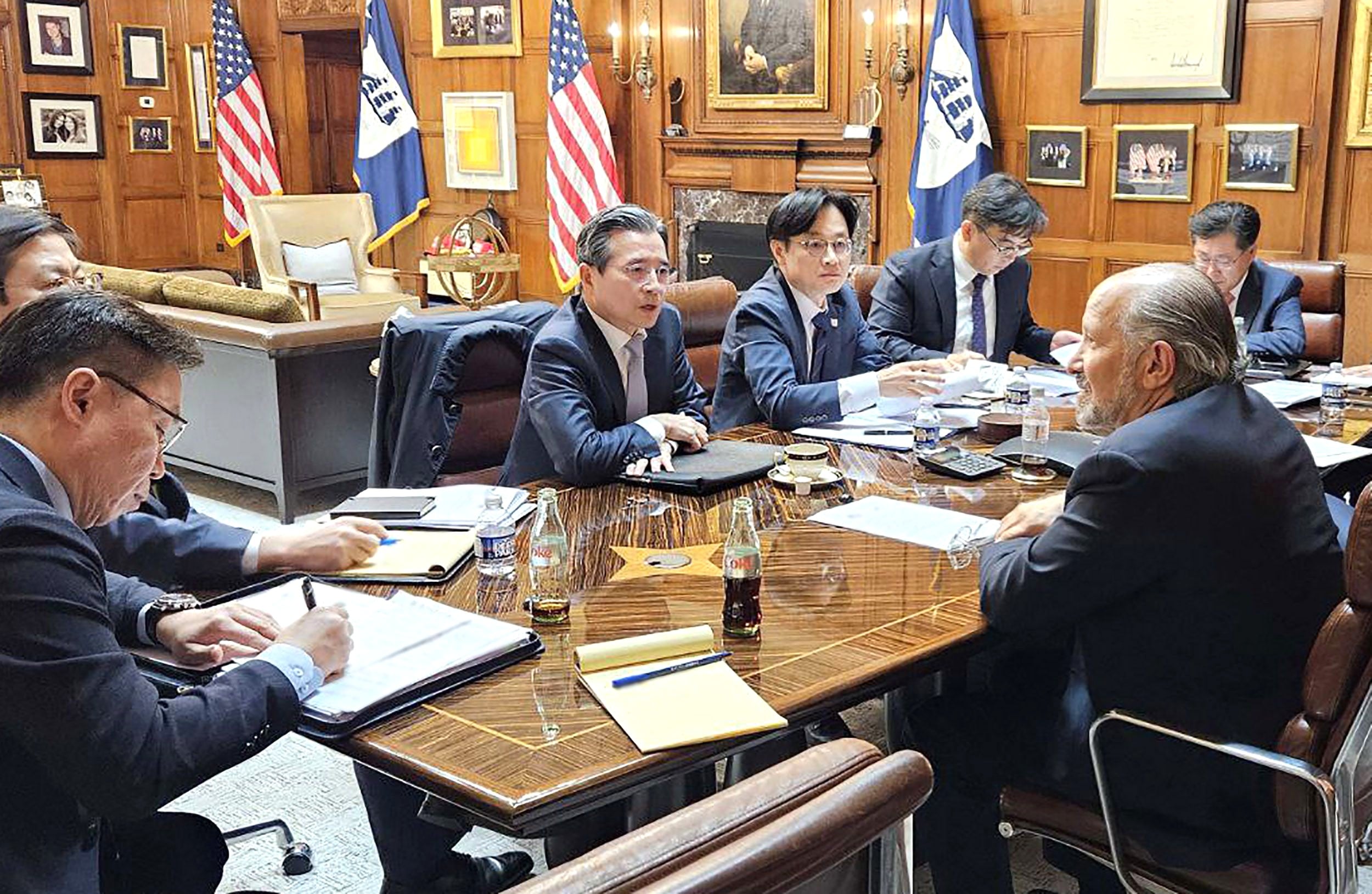
However, to earn this interest, Korea must hold U.S. Treasuries for 10 years without selling. This means the strategy used during the second crisis—selling hundreds of billions of dollars in Treasuries to stabilize the market during shocks—is no longer viable. One expert pessimistically noted, “Korea’s foreign reserves are $430.7 billion on paper, but effectively zero dollars are available for use.” Neighboring Japan, which agreed to invest $550 billion in the U.S., has $1.324 trillion in reserves, giving it more flexibility. Regarding this, Deputy Prime Minister for Economic Affairs Koo Yun-cheol responded in the National Assembly, “If the forex market is affected, we could negotiate with the U.S. to reduce the annual $20 billion limit.” However, analysts predict that if the situation worsens, the U.S. will prioritize its own interests, leaving Korea’s government helpless without usable reserves.
President Lee Jae-myung’s Self-Inflicted Wound
To stabilize the forex market, either dollar supply must increase or demand must decrease. With the government unable to use reserves for market stabilization, the remaining tools rely on key dollar users: ① export-import companies, ② the National Pension Service, and ③ domestic and foreign financial investors. This explains why Deputy Prime Minister Koo and Bank of Korea Governor Rhee Chang-yong have urged the National Pension Service to exchange currency outside the forex market, export companies to sell dollars, and investors to refrain from overseas stock investments. However, companies and investors are more sensitive to exchange rate-driven profits and losses than government requests. Mobilizing the National Pension Service, which manages citizens’ retirement funds, risks future investigations into the “final decision-maker,” regardless of how it is framed.
Experts argue that, based on the first crisis, such measures cannot be fundamental solutions. The IMF’s extreme prescriptions—raising interest rates to curb dollar outflows and expanding reserves through fiscal tightening—remain the core remedies. Foreign investors closely monitor a country’s foreign reserves and fiscal deficits during crisis signs, as these determine their ability to recover investments.
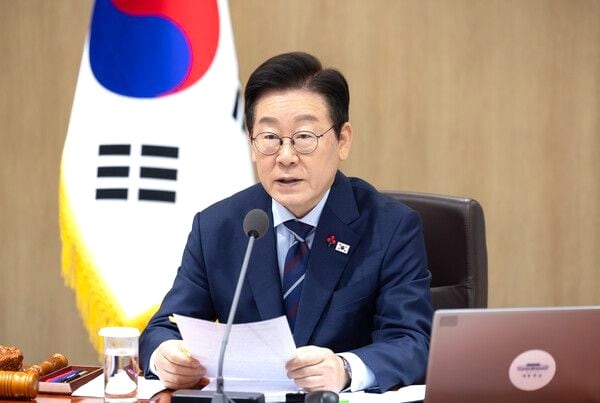
Experts criticize the Bank of Korea for allowing an abnormal inversion of ROK-U.S. interest rates to persist for too long. Higher U.S. rates incentivize capital outflows to America. Additionally, President Lee Jae-myung’s policy of expanding fiscal deficits is worsening the crisis. Increased won liquidity puts upward pressure on the dollar-to-won exchange rate.
Indeed, President Lee publicly declared plans to increase fiscal deficits by 478 trillion Korean won and state-guaranteed debt by 64 trillion Korean won over four years (2026–2029). This would raise the national debt-to-GDP ratio from 49.1% at the end of 2025 to 58.0% by the end of 2029. With national debt surging, the strong fiscal foundation that rebuilt the economy after the first crisis is no longer viable. Has President Lee experienced how a foreign exchange crisis—where foreigners “charge with guns”—is far more destructive than domestic financial or real estate crises controlled by interest rates? Does he know that the first opposition-to-ruling party transition in 50 years occurred during a foreign exchange crisis?


