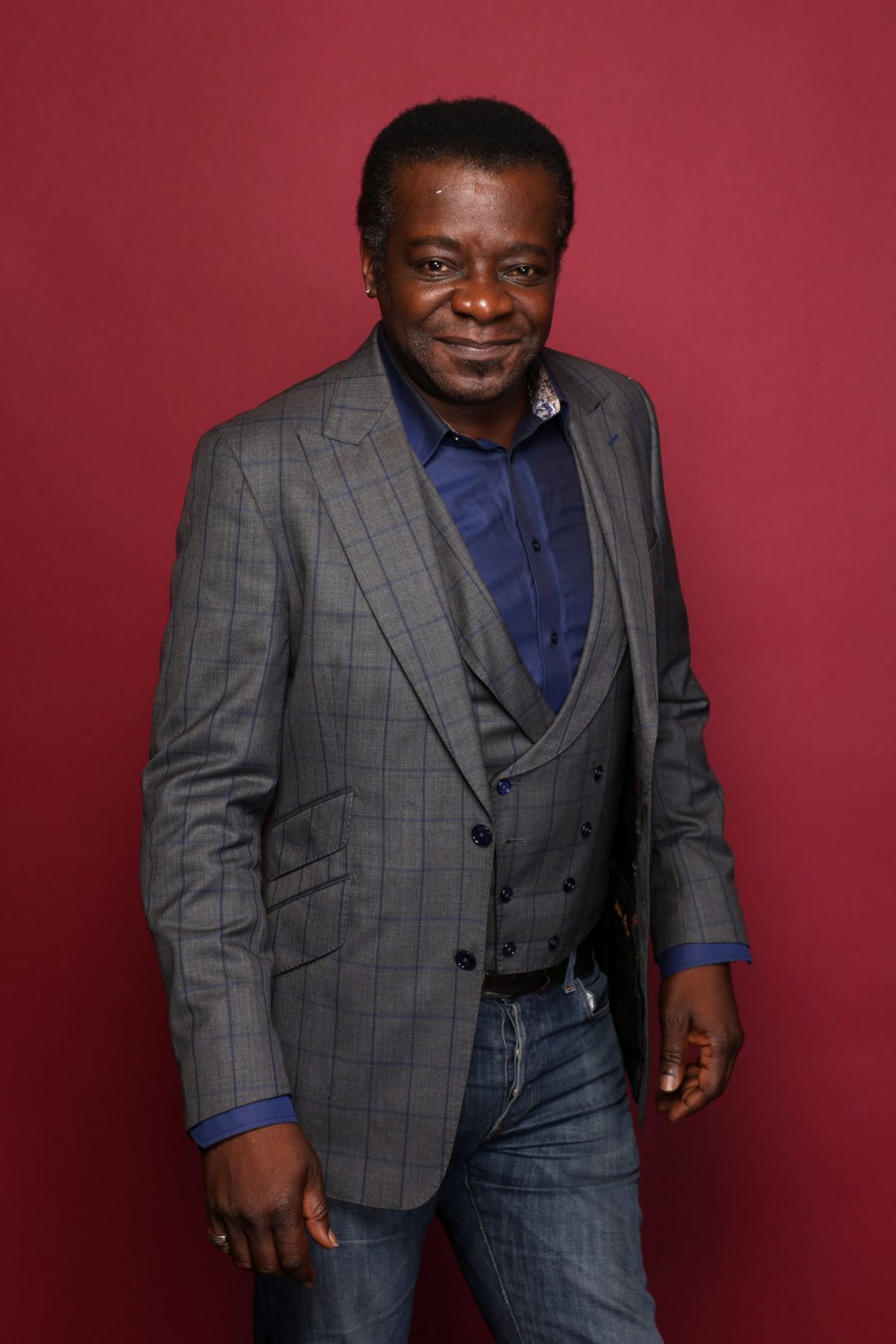
Born in south London in 1967, Stephen K Amos grew up as one of seven children born to Nigerian immigrant parents. He studied criminal justice at the University of Westminster, then worked a variety of odd jobs before becoming an emcee at Big Fish comedy clubs in 1994.
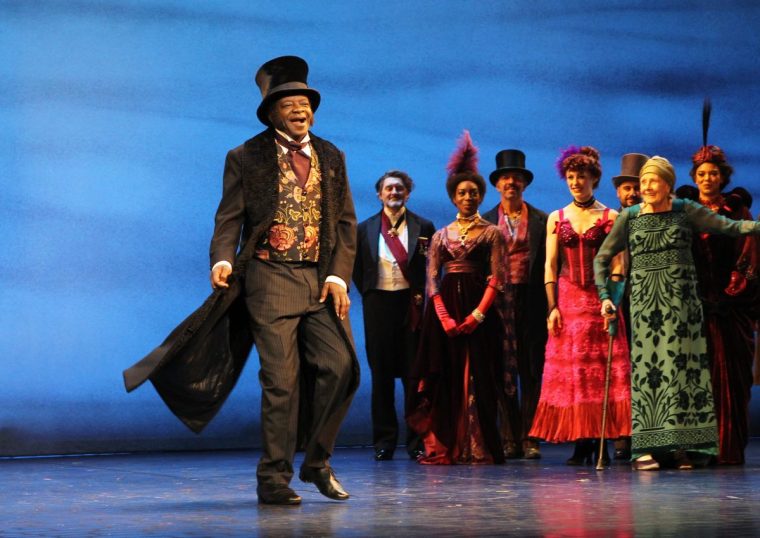
He soon became a circuit stalwart with a string of hit Edinburgh Fringe shows. He’s since appeared on TV panel shows Have I Got News for You and Mock the Week, made Radio 4 programmes including semi-autobiographical comedy What Does the K Stand For?, and performed in the West End musical My Fair Lady (2022). Here he looks back on moments that changed his perspective on work, love, money and health.
I come from a rather large family. My siblings excelled in sport or academia, but I was the chatterbox. I could talk ’til the cows came home. At school, I didn’t want to feel like the odd one out – and I quickly realised that as long you’re not being laughed at, you’re being laughed with. It sounds rather cliché but I did become the class clown, and I’d use self-deprecating humour to disarm bullies.
When I graduated, I had no idea what I wanted to do. Then, over a long weekend of bottomless brunches, my great friend Delphine Manley said: “You’re really funny. I’m opening a comedy club and I want you to be the emcee.” I said: “Don’t be ridiculous, everyone’s funny once they’ve had a few drinks.” I’d seen comedy on TV, and thought: “Why would I go to a show where there’s a man on stage saying racist or homophobic things?” But then Delphine took me to my first ever comedy club. It was the first time I’d seen men and women just telling jokes, and people were listening and laughing. I thought: “Wow, I’ll try that.”
The first time I stepped on stage, I literally did not know what I was doing. I just trusted my instincts and went from there, and within a year I was resident host at four comedy clubs above pubs. But it still wasn’t a job per se because I wasn’t earning money. By day, I was doing a huge variety of jobs, including working as a guard on the Orient Express – which wasn’t glamorous at all because it was only when it was stuck in a railway siding in Waterloo.
Harry Hill came to a gig I was emceeing and said: “Why are you wasting your energy hosting when you should be closing the night and getting all the glory?” So I did my first ever 20-minute set and I was amazed at how great it went. Then I was asked to go to Edinburgh in 1997 as part of a group called Screaming Blue Murder and it was joyous because the company paid us a weekly wage. That’s when I became a professional. When I got back to London suddenly everyone knew who I was and I was doing gigs everywhere.
I did a show in Edinburgh that was really well-received, and one of the newspaper headlines was “Move Over Lenny, There’s A New Kid In Town”. At the time, I didn’t think anything of it, but now, I think: “Wow, were you just comparing me to the only other Black comedian you’d heard of?” At the time, I’d rarely be on a line-up with any other Black or ethnic minority or woman comedian, so a lot of people’s voices weren’t being heard.
The thing that I miss about the comedy scene in the 90s is that because there was no social media, you had people taking risks. There was still anarchic comedy, funny poetry, all sorts. And because there were no mobile phones filming you, or things going online out of context, you could do really badly and then just move on. Whereas now, if you do badly it’s going to be a story.
I was watching the news one night when they flashed up a picture of a person who had been killed in a homophobic attack in Clapham Common. It was somebody that I knew, and that really affected me. So I wrote a show called All of Me, where for the first time ever I addressed my own sexuality. I found it so difficult to say the words: “By the way, I’m gay”, so I just said: “I’m attracted to men.” Some people gasped. From watching television, they assumed a gay performer would be camp and over the top. Because I didn’t fit that mould, people didn’t quite know what to do with me.
I believe that if you’re a really good comedian, no subject should be off limits. Just from doing this job, I’ve got to be in a West End musical and have done a cameo in a Hollywood movie – things I never thought would ever happen. But in television or film or theatre you are constrained by what the director wants. On stage, you can be your own self. It’s the best job in the world because it’s the only job where you can say what you want.
I’m the one who’s chosen to go on stage doing comedy, my parents and siblings haven’t chosen that. So all my stories are about me personally, it’s not my place to tell their stories. I don’t put anything online about them or my friends either, because I don’t want anyone to reach out to them. It’s about having a bit of respect for boundaries for other people who haven’t chosen to put themselves in the limelight, particularly in the social media era we’re living in now.
I come from an era where social media was not a thing. Maybe I’m old school but I think there are certain things, private personal things, that you keep to yourself. You don’t put all your business online. If you look at my social media handles you won’t see anything really personal. I don’t want anything to be taken out of context.
I’m not immune to things being said online about me that aren’t true. I don’t get involved with online debates with anyone. Let’s hear it from my mouth: it’s not true. Due to social media there’s a lot of noise, and everything’s coming at us from all sides. We’re not taught to listen. So that’s the essence of my new touring show Now We’re Talking. We’re talking, so I hope that you listen.
The life of a touring comedian can be very hectic. I went to the doctor, and they wanted to put me on pills for blood pressure for the rest of my life. I don’t want that. But I have done two shows that have really helped me. For the BBC I did Pilgrimage: The Road to Rome: we did a total of 14km in a day, which really got me into walking. And I also did the Australian version of I’m A Celebrity, and I lost two stone, and didn’t have alcohol for five and a half weeks. It’s all about getting the balance right.
When I started doing comedy my parents were horrified, and as an adult looking back, I can absolutely see where they were coming from. When they watched TV, they never saw Black entertainers. So by saying: “No! What are you doing?” when I started performing, they were being protective of me. Encouragement would have helped, but here we are. At the Royal Variety Show is when my parents finally went: “Well, he’s performing in front of the Queen, he’s made it now.”