The Shenzhen Bay Culture Square and Aranya Art Centre Guangzhou show the Greater Bay Area’s ongoing efforts to become a cultural destination
The year 2025 may be winding down, but the art scene in Guangzhou and Shenzhen is all abuzz with events and openings. In particular, the arrival of two new institutions highlights the Greater Bay Area’s continued determination to become a cultural destination.
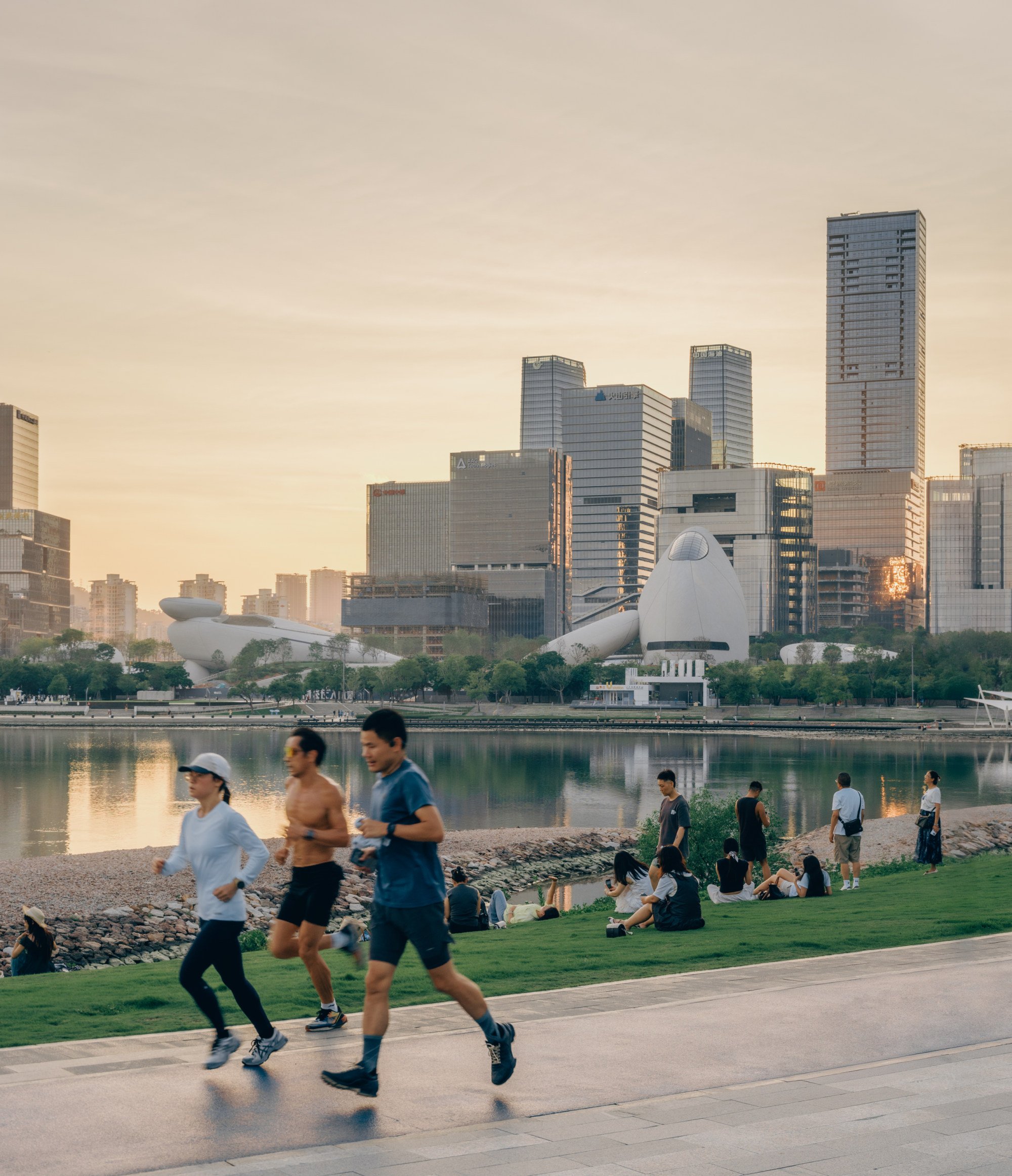
The Shenzhen Bay Culture Square (SCS), which officially opened on November 1, is located in Houhai, an area defined by futuristic architecture and a sparkling coastline.
Nicknamed by netizens as the “Airpod building”, the 3.7 billion yuan (US$523 million) government-backed initiative is a 51,000 square metre (550,000 sq ft) complex designed by Ma Yansong of MAD Architects that is intended to cement Shenzhen’s status as a global capital of design and innovation.
Do you have questions about the biggest topics and trends from around the world? Get the answers with SCMP Knowledge, our new platform of curated content with explainers, FAQs, analyses and infographics brought to you by our award-winning team.
The complex has nine exhibition halls, making it one of the world’s largest design-focused museums, says Han Jiaying, its chief curator.
“The history of Shenzhen is very short, but design has played an important role in the development of the city as a whole,” Han says.
The SCS launched with a slate of eight inaugural exhibitions, with highlights including “Solid Light” by Anthony McCall. It is the British artist’s first exhibition in mainland China and features immersive light installations that recently captivated audiences at the Tate Modern in London.
Also on view is “A Century of Chairs”, a comprehensive survey of industrial design curated in collaboration with the Design Museum in London.
Meanwhile, Aranya, the upscale property developer known for turning a remote stretch of coastline in the Chinese resort town of Beidaihe into a cultural mecca for Beijing’s middle class, has expanded its footprint to the south.
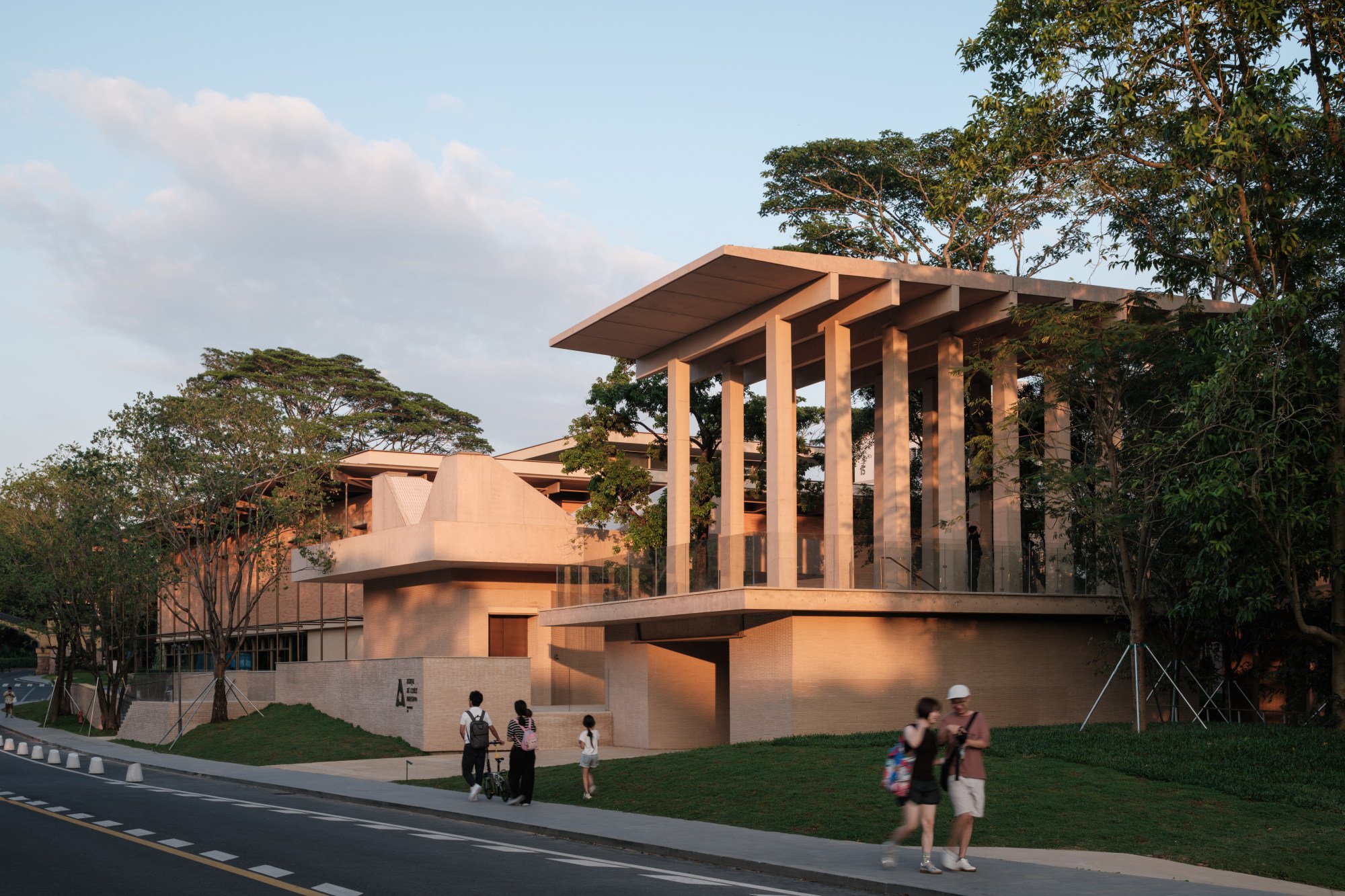
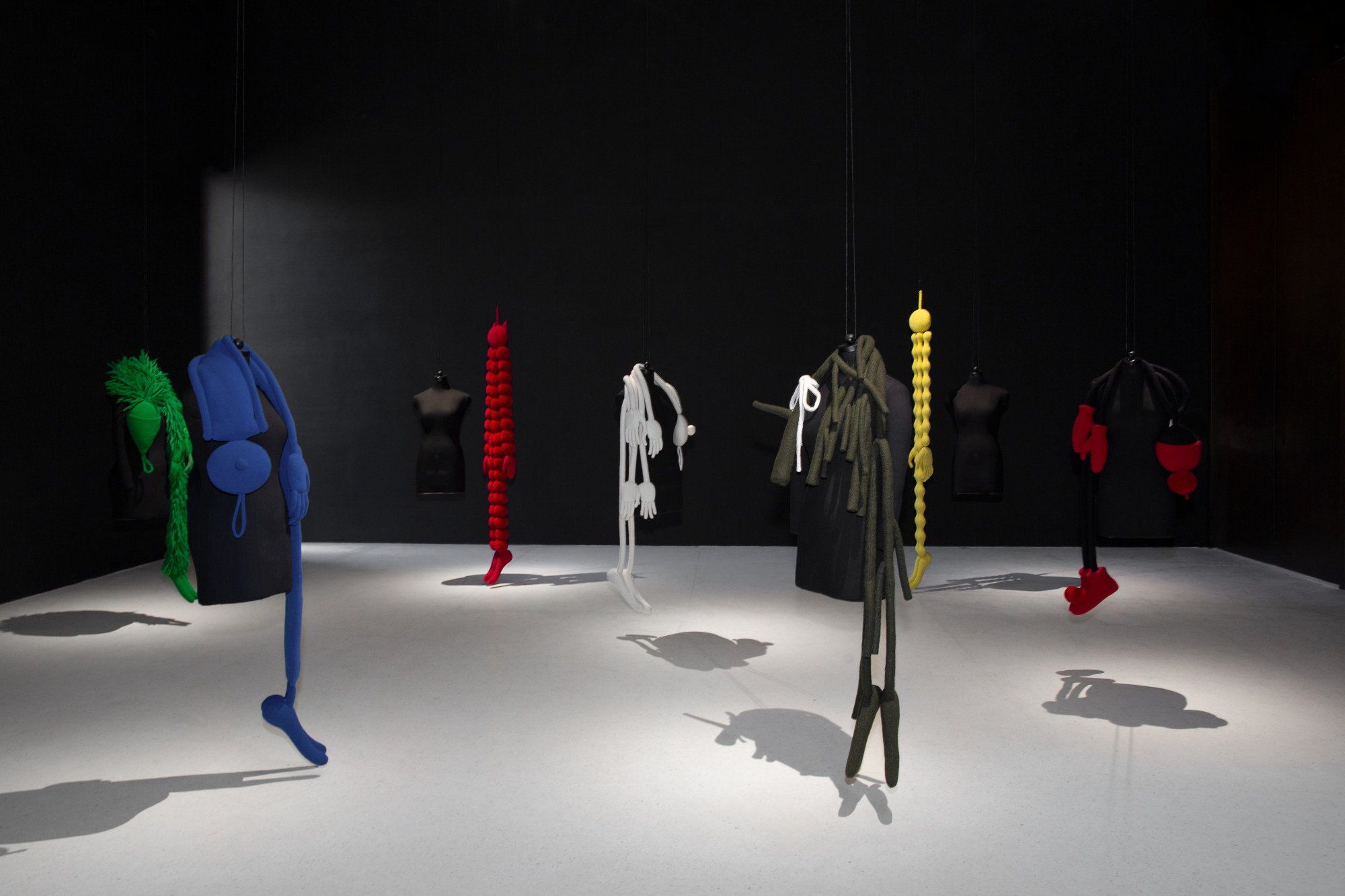
In November, the developer opened the Aranya Art Centre Guangzhou. Situated within the CTG Aranya Jiulong Lake, a gated community in Guangzhou’s Huadu district, the art centre was designed by Dong Gong of Vector Architects and launched with a solo exhibition by German artist Wiebke Siem, alongside a work by American sculptor Isamu Noguchi.
These openings add to a growing list of new public cultural landmarks in Guangdong province, including the expansive new venue for the Shenzhen Art Museum, which opened in 2023.
Guangzhou has also unveiled several major projects, one of which is the Baietan Greater Bay Area Art Centre. The cultural complex, which opened in 2024, houses both the newly reopened Guangdong Museum of Art and the Guangdong Intangible Cultural Heritage Museum.
The city has also just unveiled Shipyard 1914, a multipurpose compound featuring cultural venues that is Japanese architect Kengo Kuma’s first project in the Greater Bay Area.
These projects operate on hybrid models. SCS was funded initially by the Shenzhen government six years ago, then constructed and operated by the state-owned conglomerate China Resources.
Jiulong Lake was a residential development originally built by Hong Kong’s Sun Hung Kai Properties with another developer and sold in 2021 to the state-owned China Tourism Group (CTG). Aranya entered into a joint agreement with CTG to redevelop the site, introducing its signature “art plus property” model into the European-style walkable neighbourhood.
“Unlike the previous generation of developers, who used art galleries mainly to boost the image of a property project or generate direct returns, Aranya takes a different path,” says Damien Zhang, director of the Aranya Art Centre. “Our founder [Ma Yin] is ambitious. He knows how to distinguish between short-term and long-term goals.”
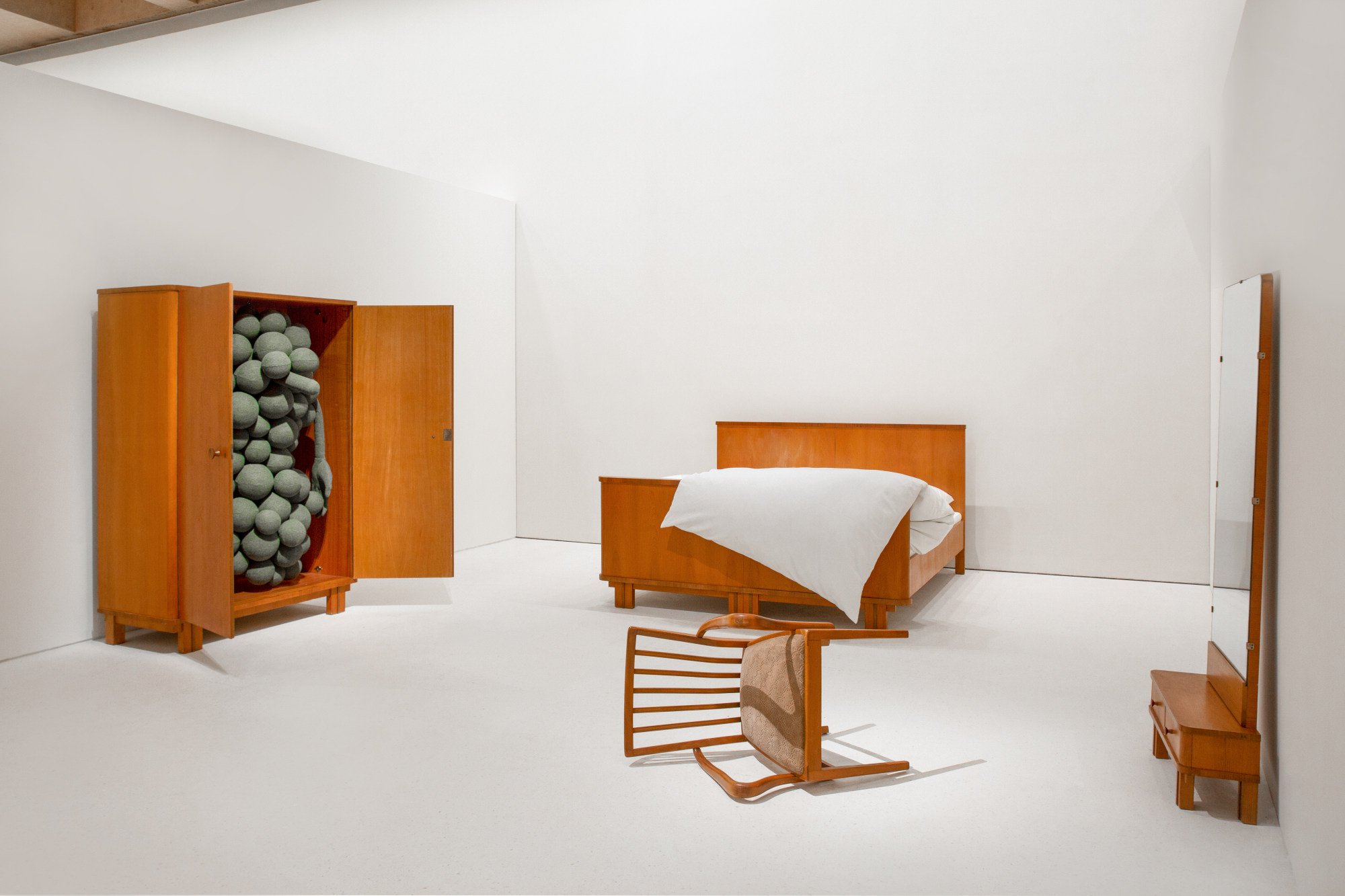
According to Zhang, the company sees cultural content, whether it be art centres, music festivals or theatre, as an essential component of a holistic lifestyle brand rather than just a sales tool.
This strategy affords the centre a guaranteed annual budget – which Zhang describes as comparable to that of mid-size international institutions – that shields it from short-term commercial pressure.
While the government has shown its ability to build massive infrastructure, experts say that there is still a need for more “software”, such as curatorial teams and long-term programming strategies.
“The question lies in whether they can execute consistently and invest in the details,” says Fan Lin, a professor from the Guangzhou Academy of Fine Arts and a curator.
“Unlike M+ in Hong Kong, which assembled a strong curatorial team years before its inauguration, SCS is starting with the hardware. The building is a masterpiece and the inaugural exhibitions are excellent, but we have yet to see a dialogue between the exhibitions, or between the art and the architecture.”
SCS is not Shenzhen’s first attempt at establishing a world-class design museum. In 2017, Design Society opened in a 1.3 billion yuan building designed by Japanese architect Fumihiko Maki in partnership with the Victoria and Albert Museum (V&A). While the London institution is no longer deeply involved in the Shenzhen venue, it remains an active partner on a project basis.
Public reaction since the opening of SCS has been mixed. While the building itself has drawn praise, parts of the museum were still unfinished on opening day and several operational changes made since have triggered frustration.
A sudden announcement regarding ticket pricing – 180 yuan (US$25) for an all-access pass – drew criticism on social media, with netizens questioning whether the current slate of exhibitions justified the premium price tag.
Han acknowledges these teething issues, noting that the institution is still forming its operational team and actively searching for a director.
To address the content challenge, Han has outlined a plan to bring more international exhibitions to fill the museum’s nine vast galleries. In addition to three-year partnership agreements with Tate Modern, the Design Museum in London, the Musee des Arts Decoratifs and Mobilier National, SCS is working to bring the Loewe Craft Prize and Design Miami to Shenzhen.
Regarding financial sustainability, Han says the subsidy structure is still being finalised, but expresses confidence that the institution will avoid the fate of previous government initiatives that built museums only to force them to break even immediately.
“Shenzhen is determined to make this a one-of-a-kind museum. With this consensus among government officials, I believe the financial issues will be resolved. Shenzhen knows it needs to invest in culture,” Han says.
How to get there from Hong Kong
Shenzhen Culture Square:
From Hong Kong, cross via the Shenzhen Bay Port. The museum is an eight-minute drive from the border, or roughly a 20-minute walk.
Aranya Jiulong Lake:
Take the high-speed train from West Kowloon to Guangzhou East Station. Transfer to Metro Line 3 and ride to Jiahewanggang Station, then transfer to Metro Line 14 and ride to Xinhe Station, where you can catch the resort’s shuttle bus from Exit A. If you are driving, navigate directly to the Aranya Jiulong Lake Visitor Centre.
More Articles from SCMP
Shocked tourists on Thai ferry watch luggage float away while enjoying deck views
Robert Ho, Hong Kong journalist, philanthropist and devout Buddhist, dies at 93
IndiGo flight chaos exposes risks of India’s aviation duopoly
Ryan Moore hoping to take it to ‘exceptional’ Ka Ying Rising with old rival Satono Reve
This article originally appeared on the South China Morning Post (www.scmp.com), the leading news media reporting on China and Asia.
Copyright (c) 2025. South China Morning Post Publishers Ltd. All rights reserved.