Britain is being battered by a surge in flu cases, with experts warning ‘there is no peak in sight’.
Flu hospitalisations have risen more than half in just one week, plunging the NHS into a ‘worst case scenario’ situation for December, new figures reveal today.
An average of 2,660 patients per day were in a hospital bed with flu last week—the highest ever for this time of year and up 55 per cent up on last week.
It means there are enough flu patients each day to fill more than three whole hospital trusts.
Surveillance programmes that monitor the UK’s outbreak suggest flu hospital admissions in England are more than double last year over the same time period and ten times higher than 2023.
It’s prompted health leaders to warn that the UK could be facing the worst flu season for decades.
Professor Paul Hunter, a virologist at the University of East Anglia: ‘Given the early upswing in infections, the new variant and what we know from elsewhere in the world, like Australia who experienced their flu season a few months ago, it does look as if this year will be as bad as we have seen at least in the last decade.’
With concerns rising by the day, here’s everything you need to know about the mutant flu—and how to protect yourself from the virus.
What is H3N2 and why is this strain more concerning?
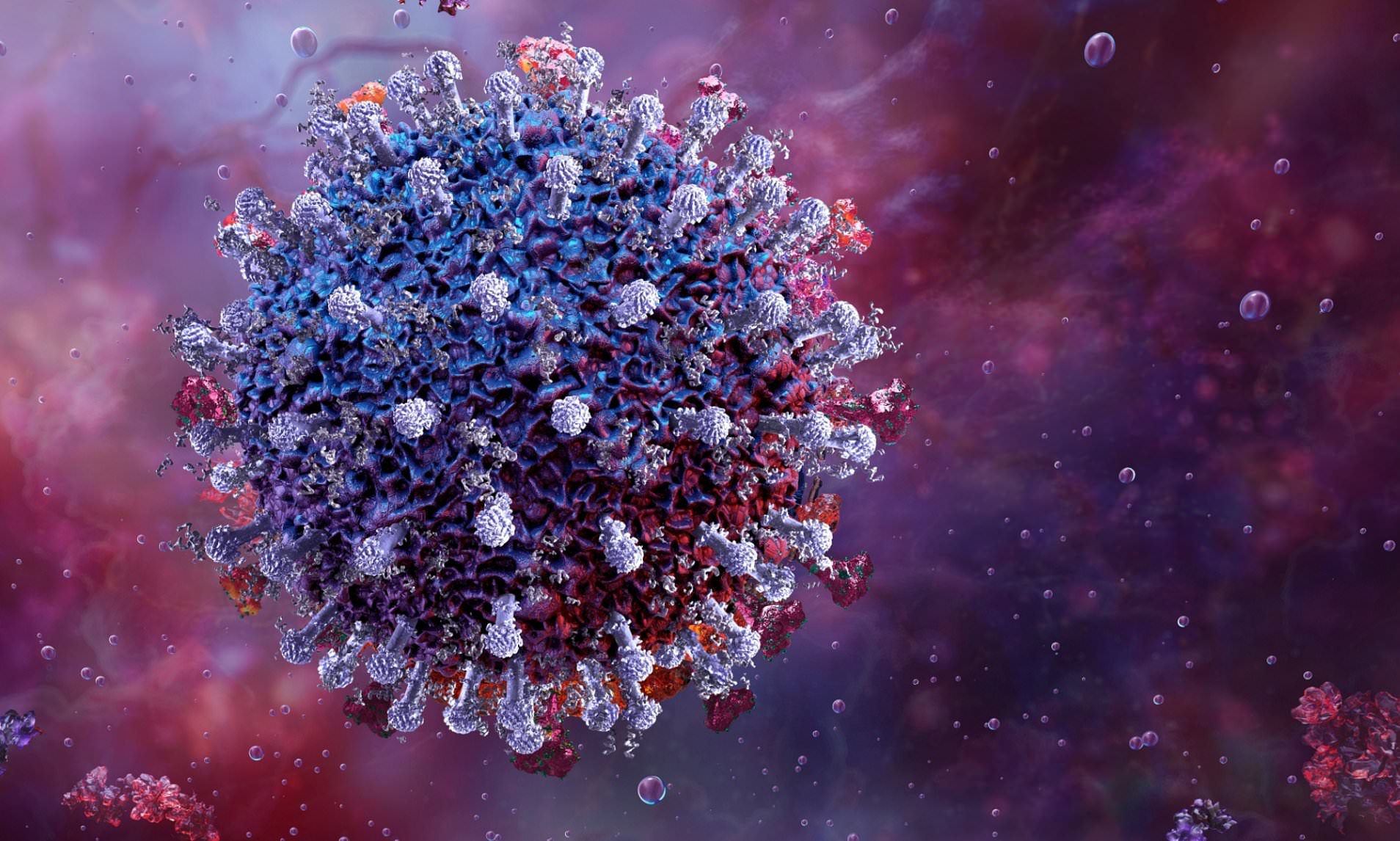
The strain, dubbed subclade K or the ‘super flu’ by others, is the one widely in circulation at the moment and is in part behind the rise in cases.
The strain has mutated seven times over the summer, helping it to evade previous immunity, sparking alarm among experts.
These genetic mutations have made it ‘hotter’ and ‘nastier’, virologists warned, making it more infectious.
It is also different to flu strains seen in the UK in recent years, meaning people are less immune if they contract it, because their body is unfamiliar with the virus.
Professor Punam Mangtani, a professor of epidemiology and a specialist in the spread of influenza at the London School of Hygiene & Tropical Medicine, said: ‘H3N2 is less like the one seen in 2024’s flu season.
‘This means there may be a bit less immunity already in the population.
‘So the virus can transmit and infect people more easily and could be a reason why cases have risen earlier than last year.’
Why has the flu arrived so early?
Last month, the UK Health Security Agency (UKHSA) said the new strain was driving the early surge in cases.
The agency said activity has ‘risen unusually early’ with ‘increases first seen in teenagers and young adults, followed by younger children.’
Flu circulation among children normally precedes that in adults.
Is it worth getting a vaccine?
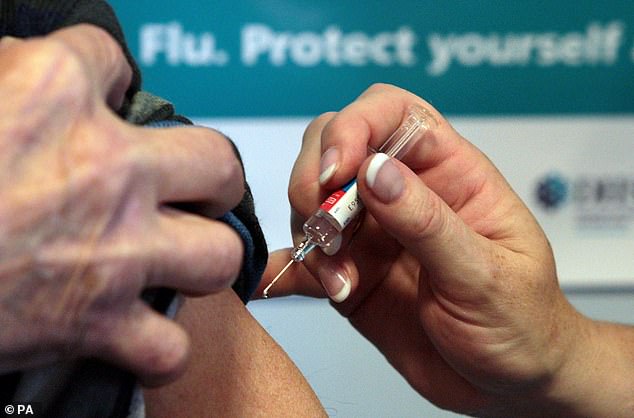
Health officials have long advised that the ‘best defence’ against the virus is the flu jab.
After being injected, the immune system produces antibodies – fighter cells that recognise and clear a flu infection if a person is later exposed to influenza.
The annual vaccination programme in England kicked off on October 1, offering vaccines to anyone aged 65 and over, under-65s in clinical risk groups, care home residents and carers and pregnant women.
It is also available to close contacts of those who are immunosuppressed and front-line health and social care workers, as well as children.
People not in these groups can choose to get vaccinated privately at a pharmacy for around £20.
The jab won’t stop you getting infected, but may reduce your risk of severe disease.
The Centers for Disease Control and Prevention (CDC) in the US reported that the 2023-2024 Covid vaccines reduced the risk of hospitalisation among older adults by about 50 per cent in the first two months after vaccination.
The protection tends to wane after four months.
Yet uptake of the vaccine was just 60 per cent last year. The target is closer to 75 per cent of eligible people getting vaccinated.
‘It appears that the vaccine will not stop you becoming infected with the disease and having symptoms but it does prevent severe disease,’ says Professor Hunter.
‘Data from Australia shows us that around 80 per cent of people who were hospitalised were unvaccinated.
‘So it is really important that if you are eligible for the flu vaccine that you get it.’
What are the ‘super flu’ symptoms?
Typical symptoms of H3N2 influenza are similar to seasonal flu and can include fever, cough, runny nose, body aches, and sometimes vomiting or diarrhoea.
Flu symptoms develop one to three days after becoming infected and while most cases of flu are over within a week, people can still feel exhausted and suffer from a lingering cough for weeks afterwards.
Professor Hunter said: ‘There is no indication at the moment that this year’s flu is any more severe than previous strains.’
However he warns that: ‘In Australia during their flu season a couple of months ago we did see a number of children hospitalised from flu, so it is important to look out for their symptoms and ensure they are vaccinated.’
How bad is it really compared to previous years?
Experts say that the indication is that this will be the worst flu season in years, but at the moment they are unsure just how bad it will be.
While cases and hospitalisations are worse than this time last year, they are yet to surpass the peak.
However last year this was not until January.
Professor Hunter said: ‘Comparing to previous years is never a guarantee of what is to come but it does suggest that there will be a higher peak this year than last.’
Last week when the last round of flu figures were announced, experts warned that ‘there is no peak in sight.’
Professor Julian Redhead, NHS England’s national medical director for urgent and emergency care, also said: ‘Today’s numbers confirm our deepest concerns: the health service is bracing for an unprecedented flu wave this winter.
‘Cases are incredibly high for this time of year and there is no peak in sight yet.’
Which hospitals have been worst affected?
Hospitals across the country have been hit by the rising cases, with some imposing critical incidents, restricting visiting and imposing mask orders in an attempt to reduce the spread.
Increased flu cases have led to a critical incident being declared at at least six hospitals in the West Midlands, including Birmingham, Solihull, Stafford and Stoke-on-Trent.
University Hospitals Birmingham NHS Foundation Trust, which is responsible for Queen Elizabeth, Heathlands and Good Hope Hospitals along with nearby Solihull Hospital, issued an alert due to ‘extreme pressures’.
Meanwhile, University Hospitals of North Midlands (UHNM) trust is urging people to only use A&E in a serious or life-threatening emergency.
The announcement covers both Royal Stoke University Hospital and County Hospital, Stafford.
Chief operating officer Katy Thorp said the difficult decision to declare a critical incident would allow them to take extra measures to keep services safe for hospital patients and those waiting for an ambulance.
In Scotland, NHS Ayrshire and Arran has also cancelled ‘routine visiting’ across all its hospitals amid ‘significant pressure’ due to a ‘sharp rise in viral respiratory infections, including flu’.
Mandatory mask rules have been imposed over recent weeks in parts of hospitals in London, Berkshire, Surrey, Lincolnshire, Shropshire and Oxfordshire amid alarm at infection numbers.
What else can I do to try and protect myself against the flu?
Alongside getting vaccinated there are a number of steps that experts recommended to minimise the chances of getting the virus – many of which will feel familiar from the pandemic.
Experts say the key is hand washing, ventilation and sometimes wearing a mask.
‘There has been a lot of squabbling over masks in recent weeks,’ says Professor Hunter.
‘The reality is that yes they do help to protect you and others from the virus, but we are not at the stage where they should be mandatory.
‘However if you are working with people who are vulnerable, or in a crowded space then you should wear a mask.’
Alongside potentially wearing a mask Professor Hunter also recommends regularly washing hands.
This is because the most common way of catching the virus is person-to-person contact, most often in the form of germs spread via coughs and sneezes, which can live on the hands for 24 hours.
People with the flu can also spread it to others as far as six feet away, via droplets which enter the air when they cough, sneeze or talk.
These droplets land in the mouths or noses of others nearby or are inhaled directly into the lungs.
It is also recommended to regularly ventilate rooms.
Opening a window will bring fresh air into a room and help to remove old, stale air that could contain virus particles, according to the UKHSA.
Read more
- Will the NHS face its worst winter crisis as the UK battles unprecedented flu waves with advice to mask up again?
- What urgent steps are health officials recommending as soaring flu hospitalisations surge 40 percent in a single week?
- Are UK’s hospitals poised to face their worst flu season in a decade, with soaring cases pushing them to the brink?
- Could the UK face its “worst flu season on record” as hospitals declare critical incidents and mask rules return?
- Will the UK follow Australia’s terrifying flu outbreak? Uncover why experts are pushing for urgent vaccination before an imminent viral surge.