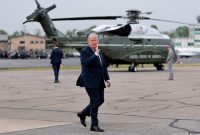
The changes come after months of pressure on his government, sparked by several key resignations and rising inflation
Malaysian Prime Minister Anwar Ibrahim on Tuesday announced his second cabinet reshuffle in two years, reassigning senior ministers and promoting new faces as he seeks to bolster his administration ahead of the next general election.
The changes follow months of mounting political pressure on Anwar’s government, triggered by his close allies’ resignations, internal party bickering and persistent cost of living concerns.
“This is about fine-tuning so the cabinet works as a team and focuses on generating stronger growth and solving people’s problems,” Anwar told reporters during a brief announcement.
Do you have questions about the biggest topics and trends from around the world? Get the answers with SCMP Knowledge, our new platform of curated content with explainers, FAQs, analyses and infographics brought to you by our award-winning team.
With the reshuffle, there will be 10 new ministers, 18 deputy ministers and 14 ministers reassigned to different portfolios. It comes after several high-profile ministerial exits earlier this year.
Economy minister Rafizi Ramli and environment minister Nik Nazmi Nik Ahmad, both prominent figures from Anwar’s Parti Keadilan Rakyat, resigned within hours of each other in June after they lost in a party election.
Trade minister Tengku Zafrul Tengku Abdul Aziz left office in early December after his term ended and became chairman of the Malaysian Investment Development Authority, the agency responsible for attracting investments from foreign and domestic businesses.
Anwar appointed Akmal Nasrullah Mohd Nasir as the new economy minister, who is a close ally of Rafizi. Johari Abdul Ghani, a veteran technocrat and the former minister of plantation industries and commodities, will be the minister of investment, trade and industry.
The minister in the prime minister’s department (Federal Territories) portfolio, which encompasses Kuala Lumpur, Putrajaya and Labuan, will be held by Hannah Yeoh, making her the first non-Malay to take charge of the ministry since it was established in 1976. She previously served as youth and sports minister and was replaced in that role by Muhammed Taufiq Johari from Anwar’s party.
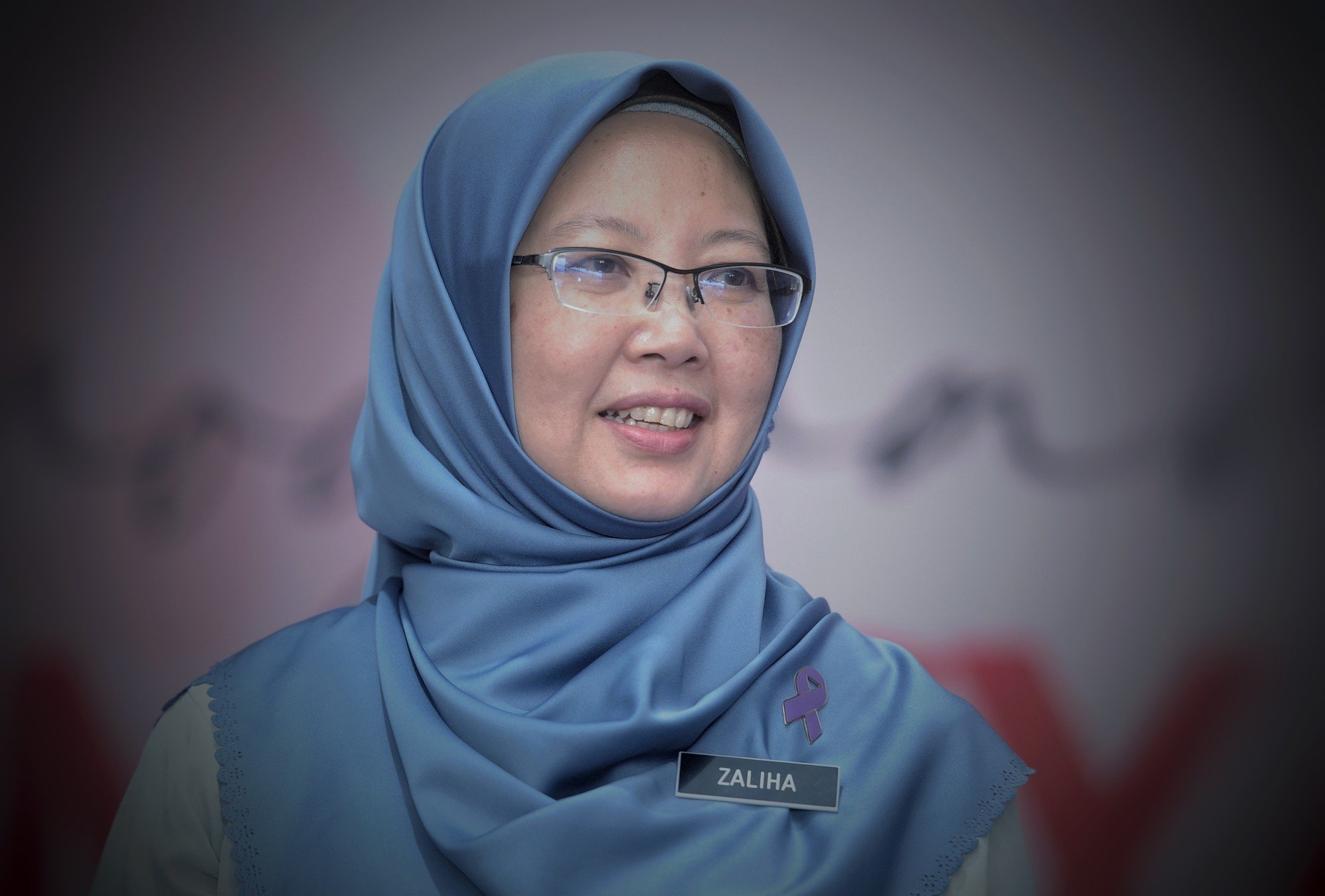
Two ministers in the prime minister’s department, Zaliha Mustafa and Mohd Na’im Mokhtar, were dropped from the cabinet.
Zaliha’s removal comes amid public scrutiny over former prime minister Najib Razak, who is serving a six-year jail term related to the 1MDB corruption scandal. She has repeatedly declined to comment on attempts by Najib’s defence team to reduce his sentence and trade prison for house arrest despite sitting on the pardons board.
Na’im, who was sworn in for a second term as a senator on December 3, has drawn criticism from civil society groups over his hardline remarks on morality and LGBTQ issues.
Anwar’s cabinet overhaul is his second after a reshuffle in 2023, which expanded the administration and brought back experienced figures to stabilise key portfolios following stumbles early in his term as prime minister. At the time, Anwar said the changes were needed to respond to economic pressures.
The swearing-in ceremony would be held on Wednesday morning at the Istana Negara, where the Malaysian king would give his consent to the new appointments, Anwar said. This will be followed by a cabinet meeting in the afternoon.
Ahmad Mohsein Azman, a senior analyst at BowerGroupAsia, told This Week in Asia: “The reshuffle is not so much a political appeasement attempt but rather Anwar’s realigning his cabinet with the best enablers he has at his disposal.”
The changes reflect Anwar’s desire to improve his cabinet’s performance in the final two years of his current term, according to Mohsein.
Malaysia’s next general election has to be called by February 17, 2028.
“Anwar’s focus would be to ensure that his government can deliver meaningful outcomes for the rakyat, which he can then ride on in the upcoming general election coming sooner rather than later,” Mohsein said.
In November, analysts said setbacks faced by Anwar’s coalition in East Malaysia, including a weaker-than-expected showing in Sabah’s state polls, had added to concerns about political stability with the government entering its final two years.
Kamles Kumar, senior associate director at Asia Group Advisors, said the reshuffle was “a holding-pattern move” for the remainder of the government’s term.
“Anwar appears to have concluded that continuity now matters more than reform, given the limited runway before the next election,” he told This Week in Asia.
More Articles from SCMP
Why South Korea is becoming China’s new bargain travel hotspot amid Japan spat
Jimmy Lai’s ‘rabid hatred’ of party led him down ‘thorny path’: Hong Kong court
AMD chief Lisa Su visits Lenovo in Beijing as US hints at easing chip curbs
Philippines weighs using UN anti-corruption treaty for Zaldy Co’s extradition
This article originally appeared on the South China Morning Post (www.scmp.com), the leading news media reporting on China and Asia.
Copyright (c) 2025. South China Morning Post Publishers Ltd. All rights reserved.