Promoting Inclusion Through Chess
Chess advocate and founder of Chess in Slums Africa, Tunde Onakoya, has emphasized the importance of including children with disabilities in educational and cognitive development programs. He views chess as a powerful tool that can break down social and physical barriers.
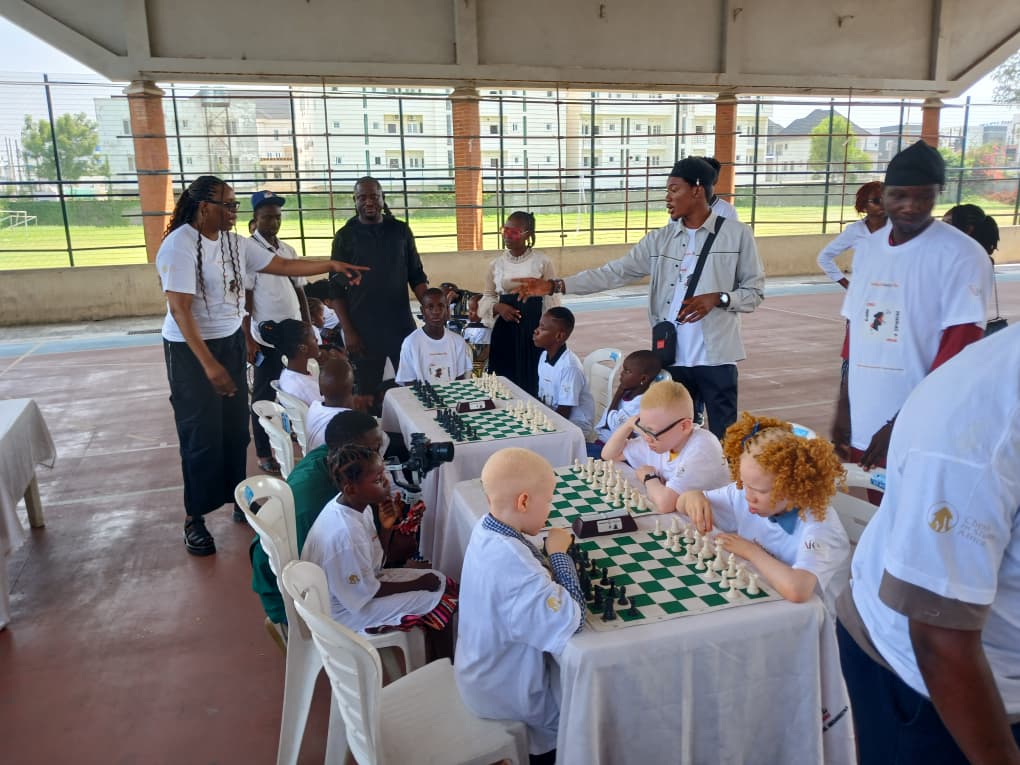
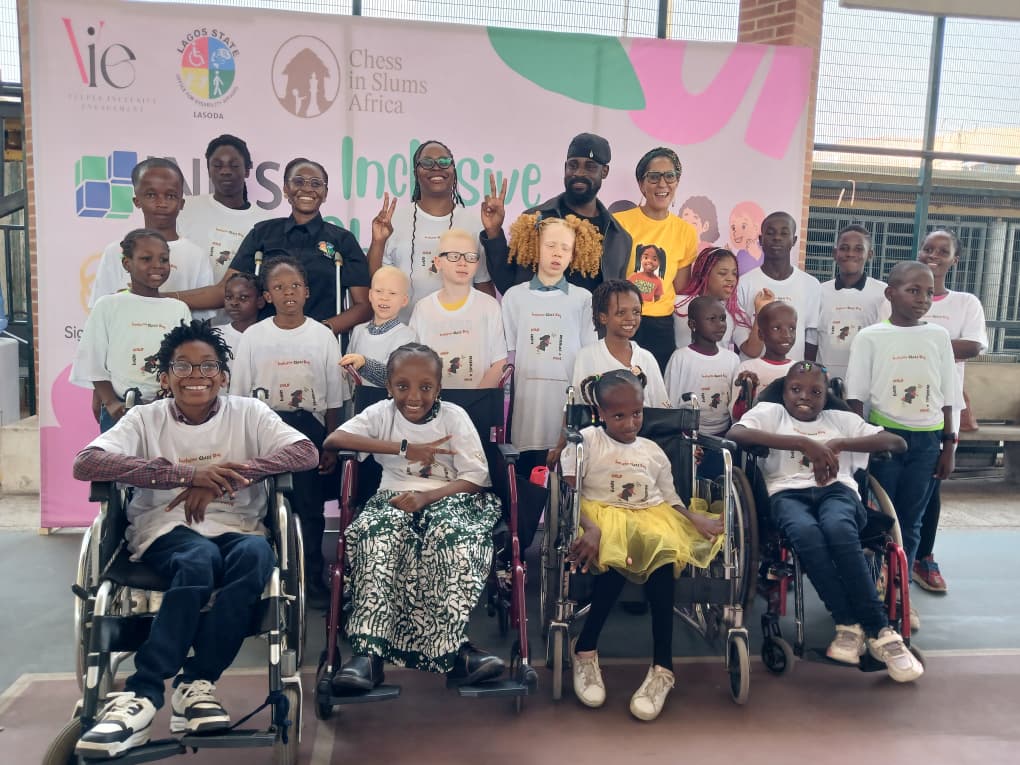
Onakoya made this call on Saturday during the Inclusive Chess Day held at Whitesands School in Lekki, Lagos. The event brought together children with various forms of disabilities and introduced them to the game of chess. Organized by Vulpes Inclusive Engagement, an inclusion-focused consultancy, the event was also supported by Chess in Slums Africa and the Lagos State Office for Disability Affairs.
The event, themed “Every Child Deserves a Move,” highlighted the potential of chess to transcend social barriers, even disabilities. Onakoya stated that chess is a game of the mind that can be played by anyone, regardless of their physical limitations. He explained that Chess in Slums Africa prioritizes children who learn differently, emphasizing the need for personalized teaching methods to help these children thrive.
“If a child is not learning the way you’re teaching, you have to teach them only in the way that they can learn,” Onakoya said. “We give priority to children who learn differently because we believe they have this gift, but it takes a lot more care and nurturing to bring it to life.”
Onakoya shared the story of a 10-year-old boy with cerebral palsy from Makoko, Lagos, who was initially stigmatized by his community but later became one of the organization’s top players. This child, who was once bullied, found his voice through chess and eventually won a gold medal at the ICN Championship in New York. His story serves as an inspiration for children and parents worldwide.
While the one-day event was not meant to produce immediate chess champions, it aimed to inspire confidence and ambition among the children. Onakoya noted that the event provided a foundation for future growth, allowing children to see what is possible.
“We’ve had some government support, some small level of support, but the government can do so much more to ensure that we can scale,” Onakoya said. “Only the government has the power to scale at the policy level and also at the local government level, which is what we intend to keep pushing.”
Fostering Inclusion Through Education
The Convener of Inclusive Chess Day and Principal Consultant at Vulpes Inclusive Engagement, Onyinye Atuanya, emphasized the importance of promoting inclusion and celebrating children with disabilities through chess. She described the event as a way to bring children together and show them that there are avenues to inclusion.
“Atuanya said, “It’s not just about education; it’s about inclusion.” She advocated for integrating inclusion into early education, including teaching sign language alongside spoken language in schools. She mentioned that sign language interpreters were present at the event to teach children how to play chess alongside instructors.
“It would be nice if children already learned how to sign at the same time they learn how to speak English,” Atuanya stated. “This is also an avenue that I think is a gap that it may not be low-hanging fruit, but it’s something that is definitely achievable because children love to learn new things.”
The event featured children with various disabilities, including autism, hearing impairment, and physical disabilities, supported by caregivers and interpreters to ensure active participation.
Government Support for Inclusive Education
Also speaking at the event, the General Manager of the Lagos State Office for Disability Affairs, Adenike Oyetunde-Lawal, described the event as significant, noting that disability does not equate to a lack of intellect. She highlighted the importance of the game of chess, which requires a lot of intellectual presence.
“Disabilities do not presuppose that people lack intellect,” Oyetunde-Lawal said. “There is a cross-section of children ages 7 to 14 here who will be going through the foundation course.”
Oyetunde-Lawal expressed LASODA’s openness to partnering with organizations to promote inclusive education and hinted at plans to integrate chess into inclusive learning programs across the state. She emphasized that mobility is not particularly required, and the office aims to ensure that children across the state’s inclusive education can be part of this long-term and sustainable initiative.