
The Hidden Link Between Metabolic Syndrome and Cancer
An increasing number of health conditions in the United States are being linked to a growing rise in multiple cancers among Americans. A recent analysis involving over 50 million people aged 18 and older has revealed that metabolic syndrome—a cluster of conditions including high blood pressure, high blood sugar, excess belly fat, and elevated cholesterol—significantly increases the risk of developing several obesity-related cancers. This condition also worsens survival rates for colorectal cancer.
The study, conducted by researchers at the University of Utah and the Huntsman Cancer Institute, synthesized 21 systematic reviews and meta-analyses that included nearly 100 individual studies. The findings were classified as “highly suggestive” for colorectal and kidney cancers, and “suggestive” for breast and endometrial cancers. For pancreatic, liver, and esophageal cancers, weaker but still significant associations were observed.
According to the research, individuals with metabolic syndrome face a 41% higher risk of developing colorectal cancer and a 67% higher risk of kidney cancer. The condition was also associated with a 27% increased risk of breast cancer, a 49% increased risk of endometrial cancer, and a 33% higher risk of pancreatic cancer.
Notably, the more metabolic abnormalities a person had, the higher their overall cancer risk and the poorer their survival outcomes for colorectal cancer. This finding held true even after accounting for body weight alone, indicating that metabolic dysfunction itself plays a critical role.
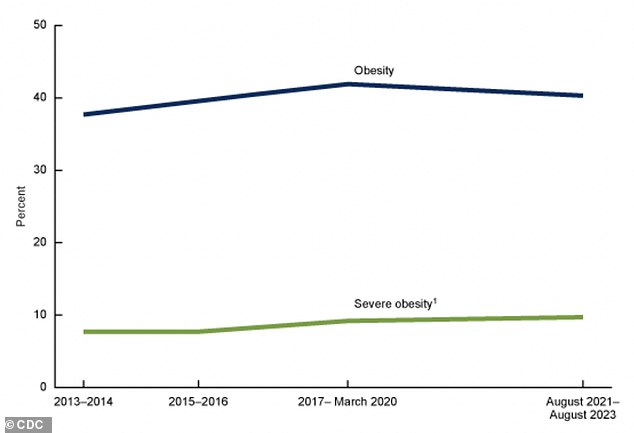
Obesity-related cancers make up about four out of every ten cancer diagnoses in the U.S. This umbrella review found that metabolic syndrome drives up the risk of several of these cancers, including colorectal, breast, endometrial, kidney, liver, pancreatic, and esophageal cancers—even when obesity is not a factor.
The elevated risk persisted in normal-weight individuals with metabolic dysfunction, meaning the cluster of conditions itself drives cancer risk, not just excess body weight.

The study authors stated: “Although there is variability in study quality, the consistency and strength of these associations, particularly for colorectal cancer, highlight the importance of addressing metabolic syndrome as a key modifiable risk factor in cancer development and progression.”
In the new study published in the journal Obesity Reviews, weaker yet statistically significant links were seen for liver cancer, with a 74% higher risk, and for esophageal adenocarcinoma, the most common form of esophageal cancer, with a 21% higher risk.
Ovarian and thyroid cancers showed positive associations but did not reach statistical significance due to limited study numbers.
Sex differences were also observed. Men with metabolic syndrome had a 38% higher risk of colorectal cancer and a 41% higher risk of liver cancer. Women faced a 35% higher risk of colorectal cancer and a 58% higher risk of pancreatic cancer, the latter classified as weak evidence due to fewer cases.
Several theories explain these sex differences, with one pointing to estrogen. The hormone appears to exert a protective effect against chronic, low-grade inflammation that links metabolic dysfunction to cancer, especially in the colon. Without this protection, men may be more vulnerable to the carcinogenic effects of conditions like high blood sugar, excess belly fat, and abnormal cholesterol.
Confirming a dose-dependent relationship, the analysis found that people with two components of metabolic syndrome faced 2.6 times poorer colorectal cancer survival. Those with three or more components faced 4.5 times poorer survival.
Scientists are still working to understand exactly how metabolic syndrome fuels cancer, but several key mechanisms have emerged. Chronic inflammation is often central to cancer research. A silent, long-term threat, chronic inflammation revs up the immune system, which then attacks healthy cells and tissues. Even at low levels, years spent in a systemic, inflamed state can lead to chronic fatigue and pain.
Visceral fat around the organs, producing what some would refer to as an apple body shape, actively produces inflammatory chemicals that can damage DNA and signal cells to divide more frequently than they should.
At the same time, metabolic syndrome throws hormones out of balance. It dampens the production of adiponectin, a hormone that normally helps protect against inflammation and uncontrolled cell growth. It also drives up insulin resistance, forcing the pancreas to pump out more and more insulin. High insulin levels, in turn, can act as a growth fuel for certain cancer cells.
Over time, this environment becomes fertile ground for tumors to take root, grow, and spread.
Rising Rates of Colorectal Cancer in Younger Adults
Colorectal cancer is increasingly becoming a blight in young, otherwise healthy people’s lives, striking those as young as their early 20s. About 20% of CRC diagnoses are now made in people under 55, a sharp contrast from the traditional older population of patients.
Since the 1990s, colorectal cancer rates among adults under 50 have nearly doubled, with cases in the 20-to-39 age group climbing steadily by 2% each year. The disease is now one of the deadliest cancers for younger adults.

Meanwhile, pancreatic cancer, long considered a disease of older adults, is quietly rising in younger Americans. The condition typically strikes people over 65, particularly those with long-standing risk factors like smoking, obesity, or type 2 diabetes. Each year, about 67,000 Americans are diagnosed and more than 52,000 die from it.
But a 2025 analysis shows that between 2000 and 2021, diagnoses jumped 4.3% annually among 15- to 34-year-olds and 1.5% annually among those age 35 to 54. The absolute numbers are small, but specialists say the trend is deeply concerning.
James Van Der Beek, best known for his role in Dawson’s Creek, died Wednesday at age 48 from colorectal cancer. He was fit, healthy, and had no family history of cancer when he noticed a subtle change in his bowel habits. He initially dismissed it, attributing it to his morning coffee. But when symptoms persisted, he underwent a colonoscopy and was diagnosed with stage 3 colorectal cancer in November 2024 at age 47, placing him in the category of early-onset cases diagnosed before 50.
Despite treatment, the cancer was aggressive. Insiders said he eventually stopped treatment after doctors had nothing more to offer. Van Der Beek spent his final years urging others not to ignore the signs he almost missed.
Metabolic syndrome can be reversed through adherence to a healthy diet—doctors and nutritionists favor the anti-inflammatory Mediterranean diet—as well as physical exercise, weight loss, stress management, and the complete cessation of smoking.
This study has limitations. The underlying research it analyzed was often low-quality, with inconsistent definitions of metabolic syndrome and wide variation between studies. Because the data comes from observational research, it can show strong links but cannot prove that metabolic syndrome directly causes cancer. And while the evidence for cancer risk is solid, data on survival after diagnosis is still thin.