New Quality Standards for Rolled Oats and Soya Chunks in Nepal
Nepal has taken a significant step towards ensuring the safety and quality of two increasingly popular food items: rolled oats and soya chunks. The government, through the Ministry of Agriculture and Livestock Development, has introduced quality standards for these products, marking a first in the country’s regulatory framework.
The standards were approved by the ministry and published in the Nepal Gazette, the official publication of the government. This move comes after years of discussions and proposals from the Department of Food Technology and Quality Control. For rolled oats, the proposal was made in 2023, while the standards for soya chunks were proposed in 2025. Both drafts were reviewed and forwarded to the World Trade Organisation (WTO) for notification, as per the requirements under Nepal’s Food Safety and Quality Act.
Growing Demand for Health-Conscious Foods
Bal Kumari Sharma, spokesperson for the department, highlighted that the introduction of these standards is a response to the rising consumption of rolled oats, especially in urban areas. She noted that the product is consumed by people of all age groups, including during fasting periods. “With the increasing awareness about health, sales of oat-based cereals have been rising sharply,” she said.
Most rolled oats available in the market are imported, with minimal domestic production. Large quantities are imported in bulk and then repackaged within the country. If the rolled oats do not meet the new standards, traders who import and repackage them may face legal action.
Similarly, demand for soya chunks has been on the rise due to their affordability and high protein content. With meat prices remaining high, many households rely on soya products as a daily source of protein. “Many people cannot afford meat on a daily basis, so they opt for soya chunks, which are rich in protein,” Sharma explained.
Detailed Specifications for Rolled Oats
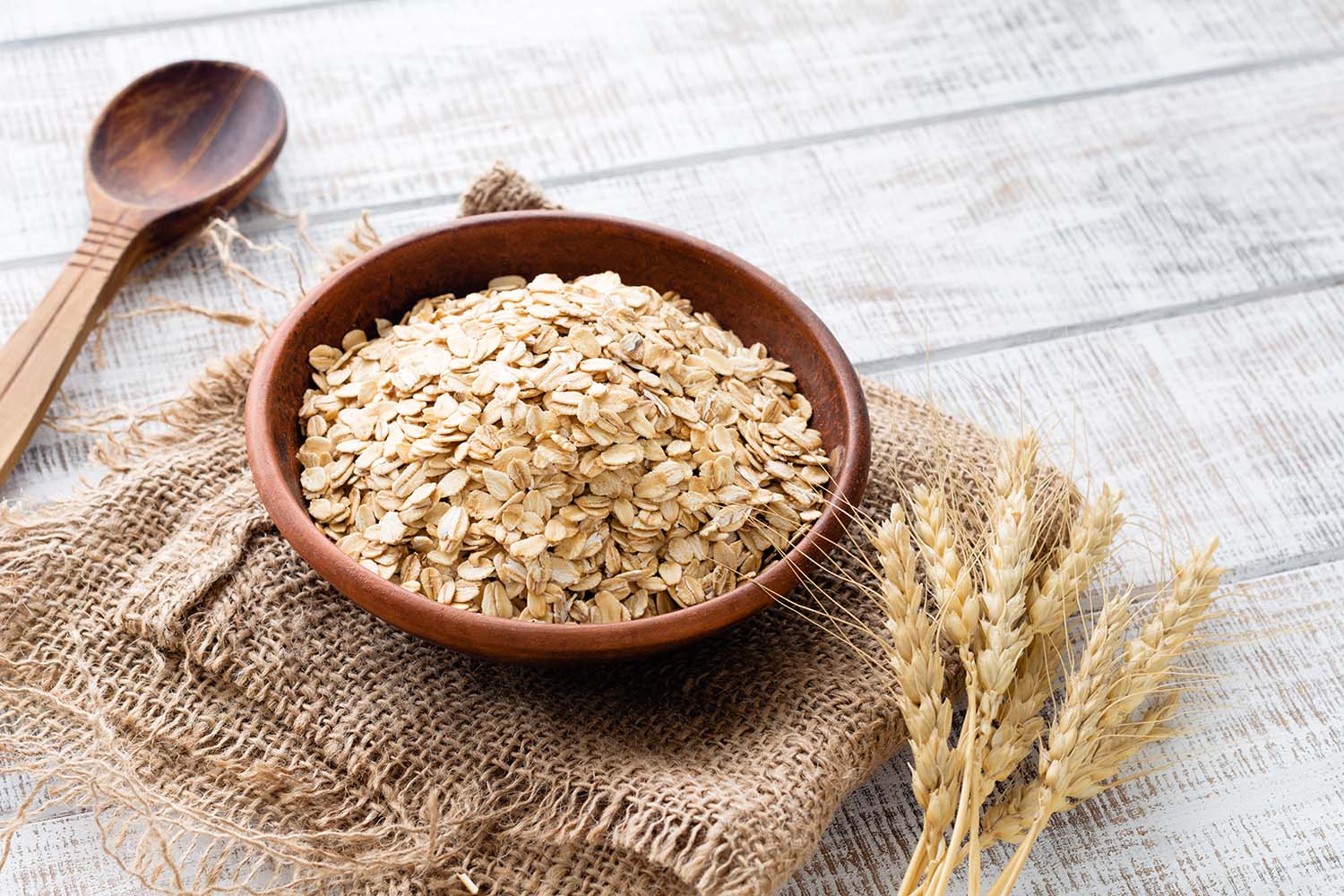
Rolled oats are produced by processing clean grains of Avena sativa and Avena byzantina. These grains are dehulled, heat-treated, and flattened using rollers or other appropriate methods. Quick-cooking oats and instant oats fall under this category.
The standards apply to all rolled oats, whether imported, domestically produced, or repackaged. According to the published standards:
- Rolled oats must be clean and possess their natural taste, color, and smell.
- They must not contain external materials such as fungus, insects, rodent hair, wood, metal, glass, or other harmful substances.
- Artificial coloring is prohibited.
- The product must be free from abnormal smell or taste.
In terms of chemical and physical limits:
- Moisture content must not exceed 12 percent by mass.
- Total ash must not exceed 2 percent by mass.
- Acid-insoluble ash is capped at 0.1 percent.
- Crude protein must be at least 10 percent by mass.
- Alcoholic acidity must not exceed 0.18 percent.
- Uric acid is limited to a maximum of 100 mg per kg.
- Total aflatoxin must not exceed 15 mg per kg.
Pesticide residues, heavy metals, chemicals, microorganisms, toxins, and other harmful contaminants will also be monitored in accordance with government regulations.
Rolled oats must be sealed and packed in clean, dry, and food-grade packaging materials. Labelling must comply with the Food Safety and Quality Act.
Standards for Soya Chunks
Soya chunks are defined as texturized dried soya products prepared from defatted soya flour or grits, with or without added vegetable protein, using extrusion technology. The term includes soya badi, soya granules, and soya nuggets.
If other food ingredients are used in the production of soya chunks, they must not exceed 3 percent of the total composition.
Under the standards:
- Soya chunks must be clean and have a characteristic taste and smell.
- They must be free from fungus and insects and must not show signs of spoilage.
- No organic or inorganic extraneous matter is allowed, except for approved ingredients used in their preparation.
- The use of artificial color, fragrance, or inferior-grade raw materials is prohibited.
In terms of composition limits:
- Moisture content must not exceed 10 percent by mass.
- Crude protein must be at least 45 percent on a dry mass basis.
- Total ash must not exceed 8 percent on a dry mass basis.
- Crude fibre must not exceed 3.5 percent on a dry mass basis.
- Acid-insoluble ash must not exceed 0.3 percent on a dry mass basis.
- Residues of hexane or other organic solvents must be limited to a maximum of 10 mg per kg.
- Total aflatoxin must not exceed 15 mg per kg.
Soya chunks must not contain organic extraneous matter such as hair, husk, bran, pieces of straw, non-edible seeds, or parts of live or dead insects or rodents. Inorganic extraneous matter—including stones, mud, sand, glass, plastic, or metal fragments—is strictly prohibited.
Enforcing Safety and Quality
The ministry stated that safety and quality standards relating to production, packaging, handling, storage, and transportation will be determined and enforced by the Ministry of Agriculture and Livestock Development. Any food product that fails to meet the prescribed standards or contains ingredients in violation of the set criteria will be considered adulterated and subject to legal action.
Officials say the move is aimed at protecting consumers and ensuring uniform quality as demand for processed and health-oriented foods continues to grow across the country.