The Significance of National Security and the Rule of Law in Hong Kong
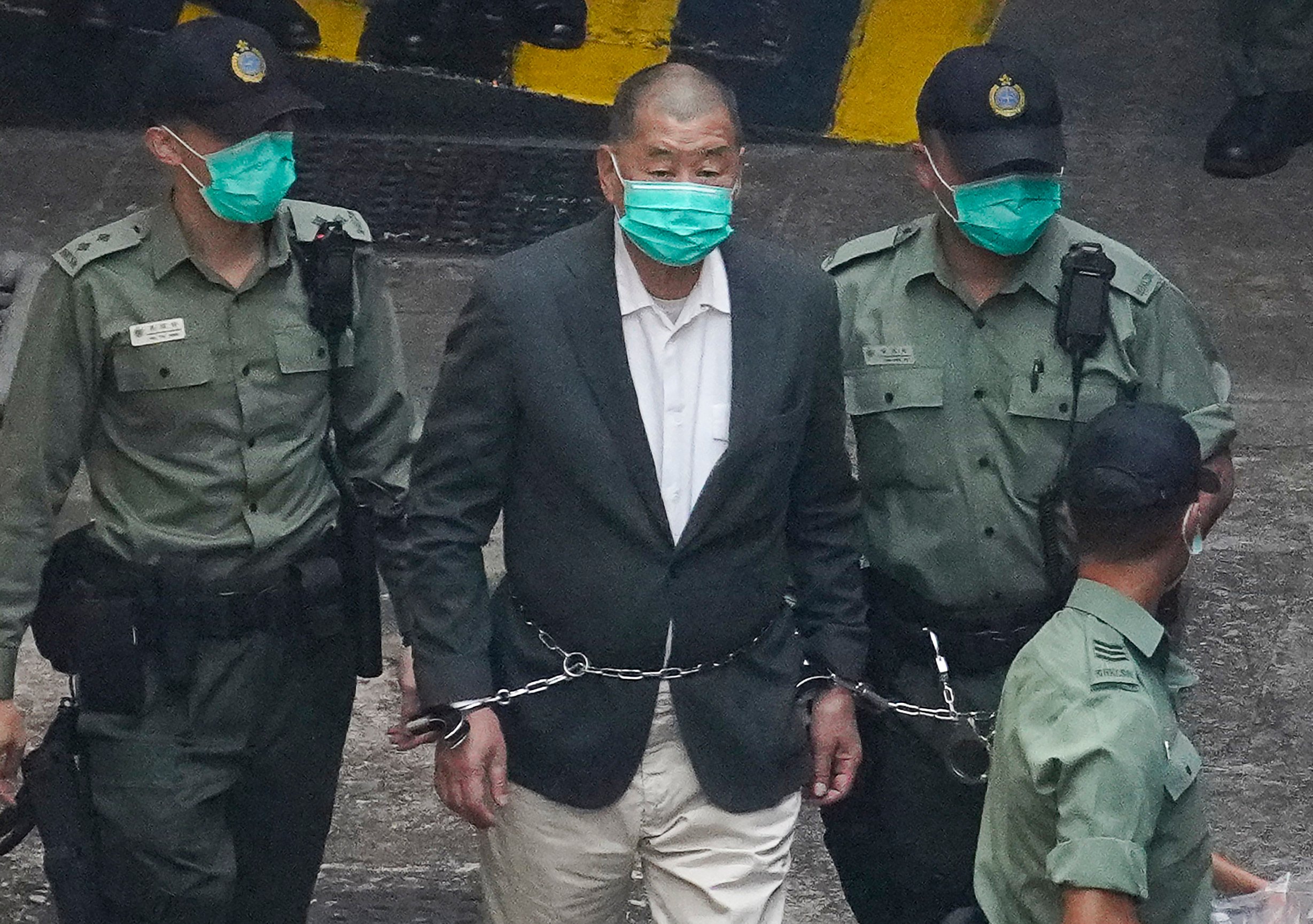
The sentencing of Jimmy Lai Chee-ying to 20 years in prison has marked a significant moment in Hong Kong’s journey towards restoring the rule of law and social stability. This landmark ruling, accompanied by the release of a white paper on safeguarding national security in Hong Kong, offers an opportunity to reflect on why justice in this case is not only necessary but fundamental to the city’s future.
The court’s findings were clear: Lai was the “mastermind” behind a series of conspiracies. Far from merely exercising freedom of the press, Lai orchestrated three conspiracies—two involving collusion with foreign forces and one involving seditious publications. He deliberately used his media empire to incite hatred against the central and local governments. His activities were not impulsive acts but part of a well-orchestrated, prolonged campaign both before and after the enactment of the national security law in 2020.
Lai actively lobbied for hostile activities against the Hong Kong government and our nation. These were calculated efforts to undermine the city’s economic and political stability. In 2019, Hong Kong was pushed to the brink of chaos by violent protests. By leveraging his influence to fuel public distrust of the Hong Kong government, Lai posed a severe threat to national security. As the white paper emphasizes, the central government holds the ultimate responsibility for national security, and the Hong Kong government has a constitutional duty to implement the national security law.
During Lai’s trial, Hong Kong’s judicial system demonstrated remarkable fairness and transparency. Despite the gravity of the offense, which could have warranted life imprisonment, the court applied appropriate leniency in the sentence, taking into account factors such as the defendant’s age and health. This mitigation reflects the core principle articulated in the national security law and the white paper: human rights are protected while national security is being safeguarded. The trial was conducted in open court, adhering strictly to legal procedures and further cementing the independence of Hong Kong’s judicial system.
The white paper rightly notes that national security is the prerequisite for high-quality development. By holding the culprits accountable, the court has sent a solemn warning against any future attempt to jeopardize national security. The judgment is a fortification of the rule of law that protects the freedom of the law-abiding majority.
Hong Kong is now better positioned to focus on its role as an international financial center and its integration into the Greater Bay Area. Our city can finally leave behind the woes of the 2019 turmoil and embrace a bright future of stability and prosperity.
Child Safeguarding: A Necessary Responsibility
Child safeguarding should not be daunting. I refer to the letter, “To protect children, professionals could also watch family dynamics” (February 14). Mandatory reporting of child abuse is essential, but how it has been rolled out has been confusing and liable to heighten fear rather than encourage positive and useful action.
The fundamentals of child safeguarding—according to numerous agencies that have existed in Europe and North America for decades—are that all in loco parentis are duty-bound to report any concerns they have about child well-being regarding neglect, physical abuse, sexual abuse, and emotional abuse. Moreover, if a young person comes to a trusted adult to report any of the aforementioned, the adult in question should promise to listen and never judge but cannot guarantee confidentiality because these details must be shared, albeit discreetly, with the person in the organization responsible for child safeguarding.
Recently, after undertaking the online training for Mandatory Reporting of Child Abuse Ordinance, I came out more confused than when I went in. The section on recognizing different forms of abuse was not of the same practical value as other safeguarding courses I have taken. I came away without a clear idea of who I needed to report my concerns to and who was responsible for safeguarding concerns in my own institution. Moreover, there was too much emphasis on quizzing candidates on the history of the ordinance and the consequences for them if they don’t comply.
No one in a position of care for young people needs to be an expert in the field; they simply need to act responsibly and in accordance with the clearly drafted guidelines.
Child safeguarding is essential but needn’t be a chore and should never be daunting. From what I have seen so far, the ordinance’s rollout has not been effective.
Additional Articles from SCMP
- In conversation: Designers Celine Kwan and Chet Lo trade inspirations and industry talk
- Japan’s Takaichi targets Chinese ‘coercion’ in first parliament speech after landslide win
- Year of the Horse 2026 feng shui advice for all 12 Chinese zodiac signs to enjoy good luck
- China defends WTO’s most-favoured nation principle after US, EU challenge rule