Hong Kong’s Fiscal Outlook and the Debate Over Budget Measures
Hong Kong’s improving fiscal position has sparked a growing debate over how the government should allocate its resources in the upcoming budget. The city’s finance chief, Paul Chan Mo-po, recently announced that Hong Kong is set to achieve an early operating account surplus after three years of deficits. This development has led to calls for more “sweeteners” — additional financial benefits for residents — but economists have urged caution, emphasizing the need for targeted spending rather than broad-based relief measures.
A Surplus on the Horizon
The surplus comes as a result of a stock market boom, which helped the government’s operating account return to surplus in the 2025-2026 financial year, one year earlier than initially projected. Some accounting firms estimate the surplus could reach about HK$500 million (US$64 million). This positive outlook has prompted various political groups and interest organizations to push for more support measures in the current budget.
However, the government has already rolled out one-off support measures totaling HK$8.3 billion last year, which represents a significant decrease from previous years. While this reduction reflects improved public finances, it has also raised questions about whether more substantial relief is warranted.
Calls for Tax Relief and Targeted Aid
Most political groups are advocating for expanded tax breaks for the middle class. The G19 bloc, formed by Election Committee and functional constituency lawmakers, along with the Business and Professionals Alliance for Hong Kong (BPA), has proposed increasing the basic salaries tax allowance. The G19 suggests raising it to HK$140,000, while the BPA aims for HK$152,000. These proposals have been supported by other major parties, including higher child allowances.
The Democratic Alliance for the Betterment and Progress of Hong Kong, the city’s largest political party, and the pro-business Liberal Party are also lobbying for a new tax allowance for families that hire foreign domestic workers.
Lawmaker Ronick Chan Chun-ying of the G19 bloc emphasized that the middle class has endured tight budgets in recent years and now deserves more relief. He noted that even a modest increase in the salaries tax allowance would reduce tax revenue by about HK$740 million but would have minimal impact on total income.
Economists Warn Against Broad-Based Relief
Despite these calls, economists have cautioned against providing additional sweeteners too soon. They point to the capital-account deficit and the substantial future repayment from bond issuance as potential risks. Many argue that cross-party consensus to raise the salaries tax allowance would reduce the number of taxpayers and undermine the government’s second-largest source of revenue, which accounted for nearly 16% of the total revenue for 2024-25.
Simon Lee Siu-po, an economist at the Chinese University of Hong Kong’s Shenzhen Finance Institute, warned that the operating account surplus was driven by the stock market rally and included bond proceeds, which do not provide a sound basis for large-scale relief measures. He emphasized the need for caution, noting that the financial position could become precarious amid a market downturn.
Focus on Targeted Support
Professor Andy Kwan Cheuk-chiu of the ACE Centre for Business and Economic Research suggested a “defensive approach” to the budget, focusing on reducing expenditure further amid a structural deficit while keeping sweeteners to a minimum. He highlighted the need to consider the government’s bond issuances for infrastructure projects like the Northern Metropolis megaproject, which must be repaid with interest.
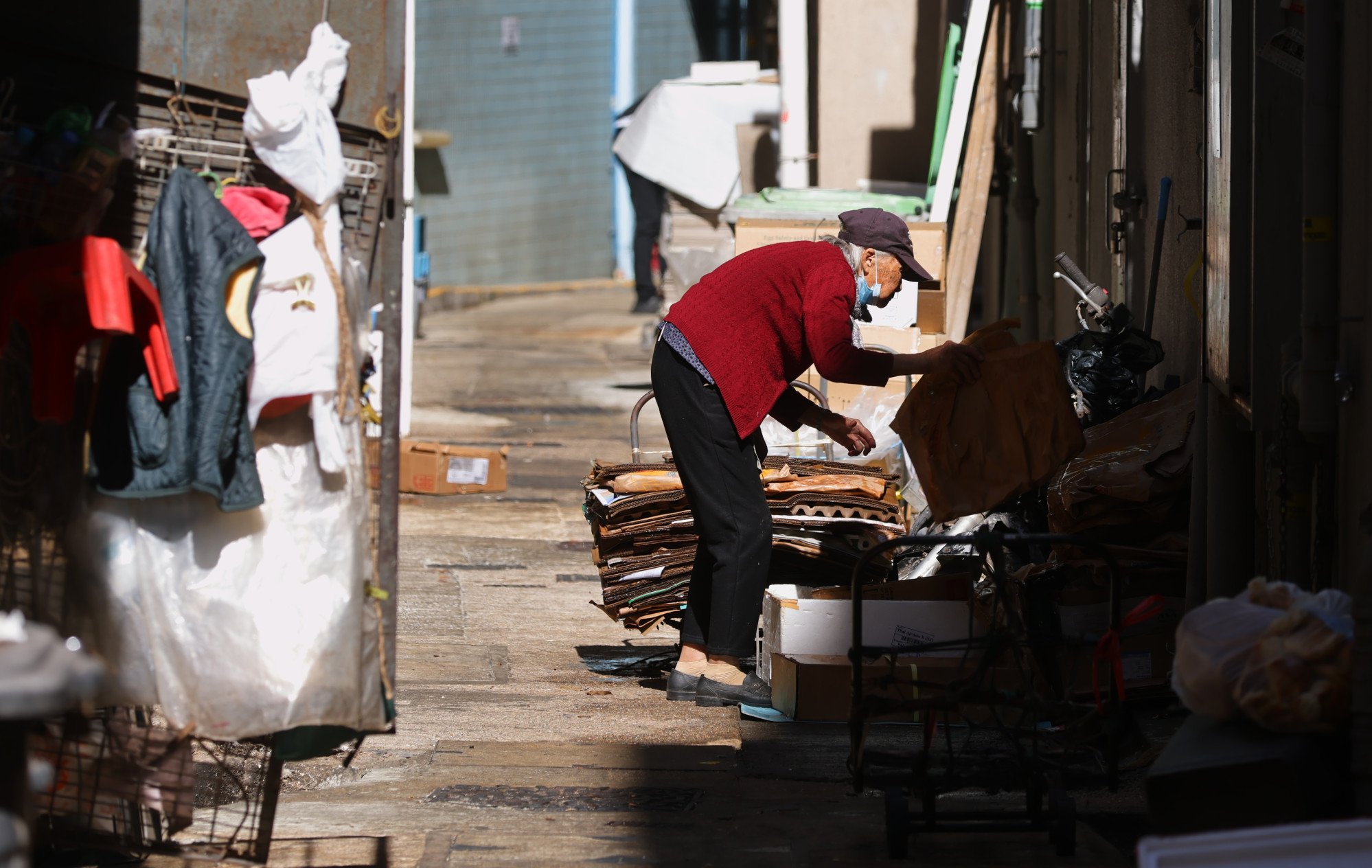
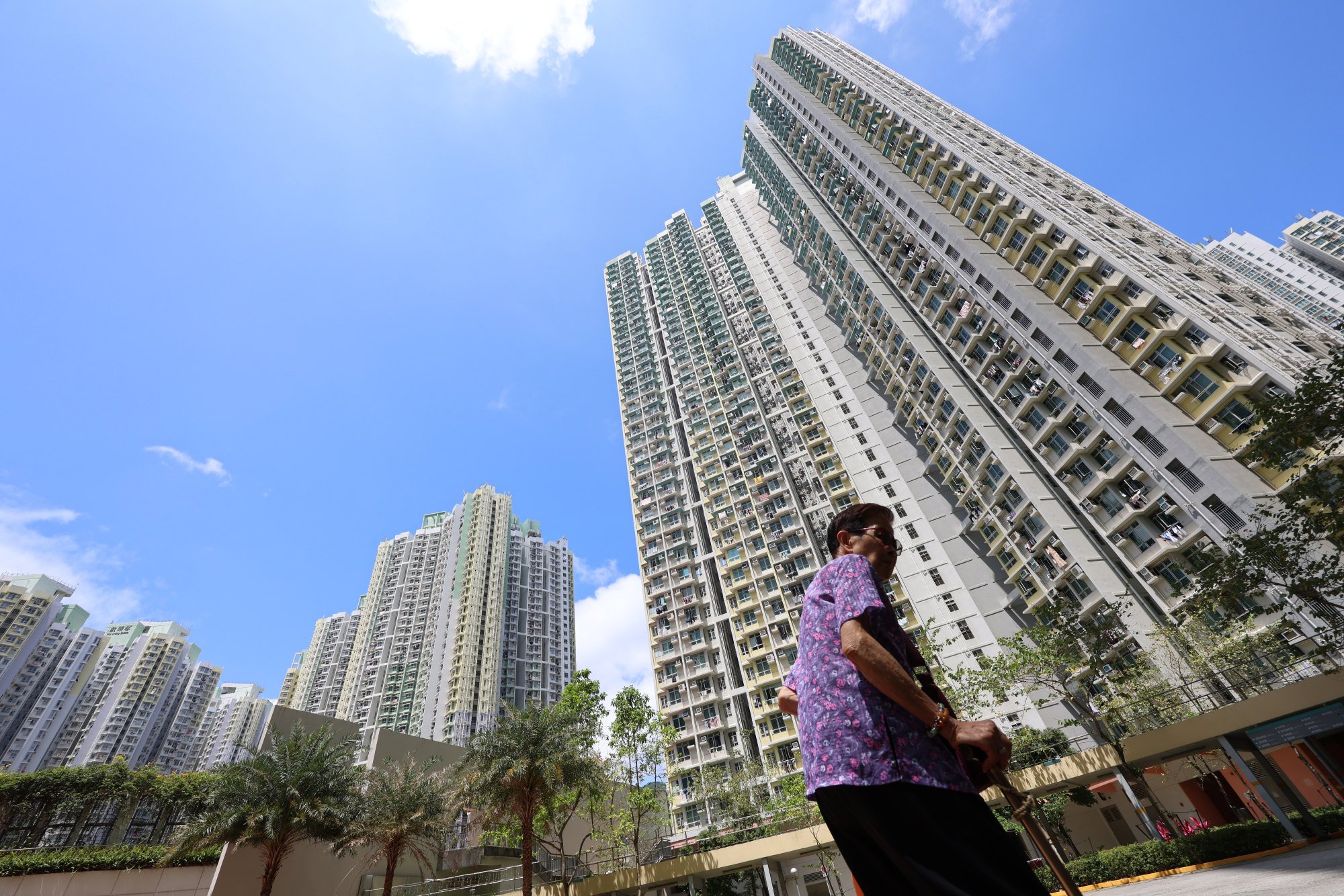
Kwan also pointed out that the middle class has benefited from the stock market boom and a stabilizing property market, urging authorities to focus on relief measures for lower-income residents instead. “With the unemployment rate rising, the grass roots really need help,” he said.
Social Welfare and Unemployment Concerns
Social welfare organizations have also voiced concerns about funding cuts. In a bid to step up government expenditure cuts, 58 large social welfare organizations receiving more than HK$50 million annually were set for a 7% reduction in funding by 2027-28, while 121 small to medium-sized groups would face a 3% cut. Social welfare lawmaker Grace Chan Man-yee urged the government to halt planned funding cuts, warning that degrading service quality and heavy pressure on frontline staff could result.
Sze Lai-shan, deputy director of the Society for Community Organisation, expected improved public finances to enhance financial support for lower-income residents, including higher retraining subsidies for the unemployed. She also called for an unemployment and underemployment assistance system offering short-term allowances.