The Importance of Tomato in Nigerian Agriculture
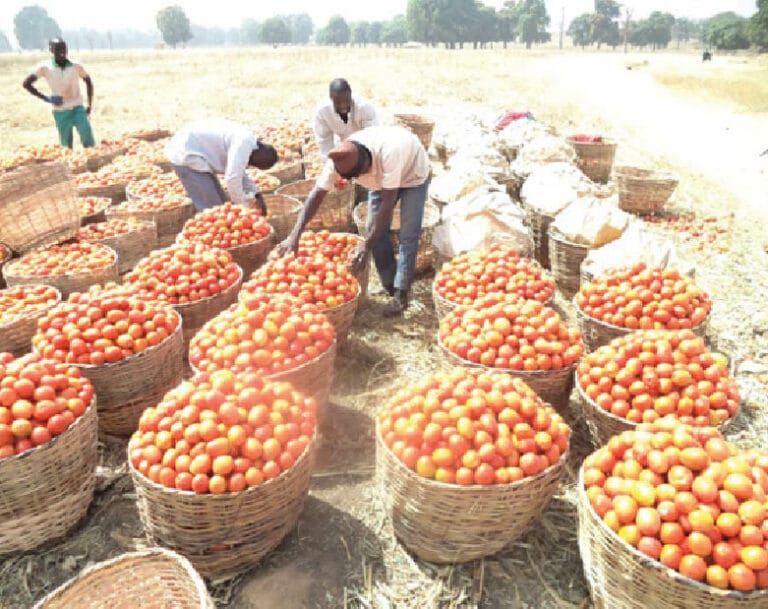
Tomato is a vital component of Nigerian cuisine, serving as a staple ingredient in various dishes such as stews, soups, sauces, and salads. Its significance extends beyond the kitchen, playing a crucial role in food security and economic stability for many farmers across the country. Among the top tomato-producing states are Kaduna, Kano, and Plateau, where the crop contributes significantly to local economies.
Despite its importance, the tomato value chain in Nigeria faces numerous challenges. Post-harvest losses have become a major concern, with many farmers struggling to preserve their produce effectively. These losses not only impact farmers’ incomes but also hinder the overall growth of the sector. In response, tomato growers are calling for government intervention to address these issues.
Challenges Facing Tomato Farmers
The challenges faced by tomato farmers include limited access to loans for purchasing essential equipment, poor transportation infrastructure, and the high perishability of the crop. These factors contribute to significant post-harvest losses, which can be as high as 40% in some regions. Additionally, the rising cost of fertilizers and pesticides has further burdened farmers, making it difficult for them to maintain sustainable production levels.
To combat these challenges, the National Tomato Growers, Processors and Marketers Association of Nigeria (NATPAN) is advocating for government support in providing necessary equipment and facilities. This includes promoting mechanized farming practices and investing in technologies that can help reduce waste and increase value addition. Some of the solutions being explored include the use of plastic crates for transportation and solar dryers for preservation.
Government Intervention and Farmer Appeals
In Kaduna State, farmers have called on the Federal Government to provide affordable fertilizers and revive existing tomato processing facilities. Alhaji Hussaini Uba, a local farmer, highlighted the importance of processing plants in preserving surplus harvests and reducing waste. He recalled that during the administration of former Governor Alhaji Balarabe Musa, a tomato processing company was actively producing canned tomatoes and absorbing excess harvests for processing and exports. However, these companies are no longer functioning, leading to increased losses for farmers.
Uba also mentioned that the price of a basket of tomatoes currently ranges between ₦12,000 and ₦20,000, depending on quality and variety. The common preservation method used by farmers is slicing and sun-drying tomatoes until the off-season, although many prefer to sell immediately after harvest. He urged Governor Uba Sani to revive the moribund processing plants and ensure that farmers have access to affordable inputs.
Another farmer, Salisu Abdullahi, lamented the absence of functional processing companies in the region. He noted that farmers rely mainly on sun-drying, which is not an effective long-term solution. Abdullahi called for government intervention to reduce the prices of farm inputs and suggested the establishment of similar cold storage facilities in Kaduna, similar to those in Plateau.
Expanding the Efforts to Kano State
In Kano State, tomato farmers have also appealed to the state government for urgent assistance. They highlighted the combined challenges of the Tuta absoluta pest outbreak, soaring fertilizer prices, and inadequate storage infrastructure. These issues have left many farmers struggling to meet market demands and preserve their harvests. Many reported losses of up to 40% of their crops.
Malam Nura Bello, a tomato farmer from Kura, spoke about the increasing challenges in maintaining crop quality. He emphasized the need for government support to secure fertilizers at affordable rates and build storage facilities to protect their harvests from spoilage. Sani Ali, a farmer from Bunkure, stressed the urgency of addressing the storage issue, as many farmers were forced to sell their produce at a loss due to the lack of preservation facilities.
Ali called on the government to collaborate with public and private sector stakeholders to invest in modern storage technologies and establish storage hubs in key agricultural zones. Bala Nasiru, another farmer from Kura, echoed similar concerns about the lack of support for preserving harvests. He urged the government to provide pesticides and fertilizers at affordable prices, alongside the establishment of training programs to help farmers better manage pests and improve crop yields.
Conclusion
The challenges facing tomato farmers in Nigeria are complex and multifaceted. Addressing these issues requires a coordinated effort involving government, private sector stakeholders, and local communities. By investing in infrastructure, providing affordable inputs, and promoting innovative preservation techniques, Nigeria can ensure the sustainability of its tomato industry and enhance food security for its population.